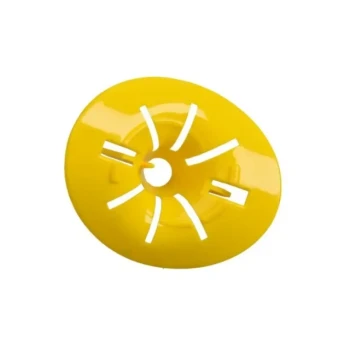
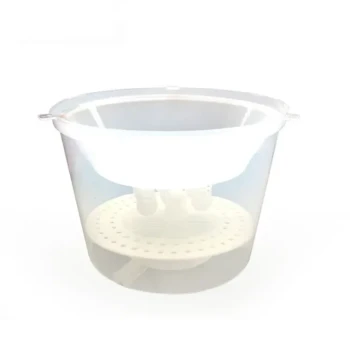
Commercial disposable towels function as mechanical entanglement traps. When introduced into a hive, honey bees chew on the fabric, teasing out fibers to create a "fuzzy" texture that snags the spiny legs of small hive beetles. While they are a chemical-free option, their primary downsides are a delay in effectiveness, susceptibility to being sealed over with propolis, and the risk of fatally trapping the bees themselves.
Core Insight: Unlike oil traps that drown pests, towel traps rely on the bees to modify the material into a fibrous weapon. This makes them dependent on hive activity to work, but also introduces the risk of collateral damage to the colony.
The Mechanism of Entanglement
Leveraging Bee Behavior
The towel itself is not a trap immediately upon insertion. It functions similarly to a "fuzzy sheet."
For the trap to activate, bees must first chew on the material. This behavior frays the towel, pulling up loops of fiber and creating a rough, cotton-like surface.
Physical Immobilization
Small hive beetles have spurs or spines on their legs. As they scurry across the chewed towel, these spines get caught in the teased-out fibers.
Once snagged, the beetle becomes immobilized. Unable to move or feed, the beetle eventually perishes or is removed by the beekeeper during inspection.
Operational Limitations and Risks
The "Lag Time" Factor
Because the trap relies on bees to manipulate the fabric, effectiveness is not immediate.
It typically takes a few days for the bees to chew the towel enough to create the necessary fibrous texture. During this window, beetles can move across the surface freely.
Propolis Inactivation
Bees have a natural instinct to seal foreign objects and cracks with propolis (bee glue).
If the colony decides to coat the towel in propolis rather than chew it, the surface becomes smooth and hard. This renders the trap completely ineffective, as there are no loose fibers to snag the beetles.
Collateral Damage to Bees
The most significant safety concern is the trap's lack of selectivity.
Unlike rigid traps with small entry slots that physically exclude bees, towels are open surfaces. It has been observed that bees can occasionally become fatally stuck in the frayed threads, leading to unnecessary loss of hive population.
Understanding the Trade-offs
Mechanical vs. Entanglement
Traditional traps described in beekeeping often use oil or reservoirs hidden behind small slots. These rely on beetles seeking refuge in dark corners to fall into a liquid.
Towel traps are purely physical barriers. They eliminate the mess of oil but introduce the variable of unpredictable bee interaction.
Maintenance Requirements
While labeled "disposable," these traps cannot simply be forgotten.
You must monitor them to ensure they haven't been propolized. Furthermore, because they hold live or dead beetles rather than drowning them immediately, they must be removed carefully to prevent pests from escaping back into the hive.
Making the Right Choice for Your Goal
- If your primary focus is immediate pest reduction: Avoid towels, as they require a "break-in" period of several days before they begin catching beetles.
- If your primary focus is bee safety: Exercise extreme caution with towels, as the risk of bees becoming entangled and dying is a documented side effect.
- If your primary focus is chemical-free management: Towels offer a dry, pesticide-free mechanism, provided you accept the risk of propolis buildup rendering them useless.
Select the tool that balances effective beetle elimination with the safety of your colony.
Summary Table:
| Feature | Mechanical Towel Traps | Traditional Oil Traps |
|---|---|---|
| Mechanism | Physical Entanglement (Fibers) | Drowning (Liquid Reservoir) |
| Activation | Delayed (Requires bee chewing) | Immediate |
| Chemical-Free | Yes | Yes (depending on oil) |
| Bee Safety | Risk of entanglement | High (Physical exclusion) |
| Failure Risk | Propolis coating | Spillage/Mess |
| Maintenance | High (Frequent inspection) | Moderate (Refilling/Emptying) |
Elevate Your Beekeeping Efficiency with HONESTBEE
Managing pests is just one part of running a successful commercial operation. At HONESTBEE, we specialize in supporting commercial apiaries and distributors with a comprehensive range of high-quality wholesale solutions.
Whether you need precision honey-filling machines, durable hive-making hardware, or essential industry consumables, we provide the tools you need to scale your production and maintain colony health.
Ready to upgrade your equipment? Contact us today to discover how our professional beekeeping machinery and cultural merchandise can add value to your business.
Related Products
- Reusable Aluminium Beetle Trap for Small Hive Beetles Silver Bullet
- Removable Washable Hive Beetle Trap Attractants for Small Hive Beetles
- Reusable Clear Small Hive Beetle Traps for Beehives Beetle Trapping Tools
- Plastic Beetle Blaster Trap Beekeeping Tools and Supplies
- Black Plastic Beetle Barn Hive Beetle Trap for Beehives
People Also Ask
- How should powdered substances be used in beetle traps for hive beetle control? Expert Guide for Maximum Colony Protection
- Why are beetle traps less effective during winter? Seasonal Shifts in Pest Control Explained
- When is the best time to use small hive beetle traps in cold climates? Protect Your Honeybee Winter Stores Now
- When and how should disposable traps for small hive beetles be removed? Master Hive Hygiene and Efficiency
- How do small hive beetle traps contribute to colony management? Enhance Diagnostic Accuracy and Protect Hive Health