Commercial pollen traps function as highly efficient mechanical filters installed directly at the entrance of a beehive. By forcing returning worker bees to navigate through specialized grids—typically featuring 5mm apertures—these devices physically dislodge pollen loads from the bees' hind legs, dropping the samples into a collection tray for analysis without harming the insect.
Core Insight: Pollen traps transform the complex task of ecological sampling into a passive, automated workflow. They provide researchers with high-volume, uncontaminated biological data essential for determining plant species composition, all while maintaining the viability of the forager bee population.
The Mechanical Principle of Collection
The Physical Barrier
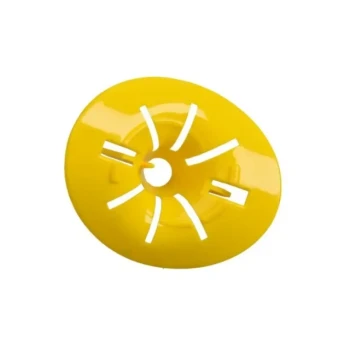
The core component of the trap is a stripping plate or grid installed at the hive entrance. This grid is engineered with precise apertures, often star-shaped or measuring approximately 5mm in diameter.
Targeted Dislodging
As forager bees return to the hive, they are compelled to squeeze through these restricted openings. The geometry of the holes scrapes against the "pollen baskets" on the bees' hind legs.
Automated Separation
The friction causes the pollen pellets to detach and fall into a secure collection tray or drawer beneath the grid. This process separates the biological sample from the insect immediately, ensuring the pollen is harvested without requiring manual capture or handling of the bees.
Advantages for Taxonomic Analysis
High-Volume Sampling
Taxonomic analysis requires significant data to be statistically relevant. These traps enable the efficient collection of large quantities of pollen over specific timeframes.
Non-Invasive Methodology
Traditional methods might involve capturing or sacrificing bees to analyze gut content or pollen loads. Commercial traps are non-lethal and non-invasive, allowing for continuous sampling of the same colony without disrupting its foraging force.
Sample Purity
By stripping the pollen at the entrance, the sample is collected before it enters the hive environment. This minimizes contamination from hive debris or processing by nurse bees, providing a cleaner raw material for microscopic identification and species profiling.
Understanding the Trade-offs
Collection Efficiency Limits
These devices are not designed to capture 100% of incoming pollen, as the colony still requires nutrition. Efficiency typically ranges between 30% and 70%, meaning the sample is representative but not exhaustive of every single foraging trip.
Environmental Vulnerability
While the physical separation is efficient, the quality of the sample for taxonomic review depends on the collection tray. High humidity or moisture in the tray can lead to microbial contamination or degradation, potentially complicating the identification of specific plant markers.
Making the Right Choice for Your Goal
To maximize the utility of pollen traps for your specific project, consider the following applications:
- If your primary focus is Taxonomic Profiling: Prioritize traps with precise 5mm apertures to maximize the volume of intact pellets available for species identification.
- If your primary focus is Ecological Monitoring: Use the trap to establish a timeline of local flora blooming cycles without depleting the colony's food stores entirely.
- If your primary focus is Sample Integrity: Ensure your trap features a dry, protected collection drawer to prevent moisture from degrading the biochemical markers needed for analysis.
The most effective analysis relies not just on the volume of pollen collected, but on the ability to gather it continuously without altering the behavior of the colony providing the data.
Summary Table:
| Feature | Specification/Benefit | Impact on Taxonomic Analysis |
|---|---|---|
| Aperture Size | Approx. 5mm (Star-shaped) | Ensures precise dislodging of intact pollen pellets. |
| Efficiency Rate | 30% - 70% | Provides representative data while maintaining hive health. |
| Collection Method | Passive Mechanical Stripping | Non-lethal; allows for continuous, longitudinal studies. |
| Sample Quality | Pre-hive Entrance Capture | Minimizes contamination from hive debris and enzymes. |
| Data Volume | High-Volume Automated | Enables statistically significant species profiling. |
Elevate Your Beekeeping Operation with HONESTBEE
Whether you are a commercial apiary seeking to diversify your revenue through pollen harvesting or a distributor looking to supply high-quality research tools, HONESTBEE provides the industrial-grade solutions you need.
Our comprehensive wholesale portfolio includes:
- Precision Pollen Traps: Engineered for maximum sample purity and bee safety.
- Advanced Machinery: From hive-making equipment to honey-filling lines.
- Essential Consumables: A full spectrum of beekeeping tools and hardware.
- Industry Expertise: Specialized support tailored to the needs of large-scale operations.
Maximize your efficiency and product value today. Partner with a supplier that understands the science of beekeeping.
References
- Svenja Bänsch, Catrin Westphal. Using ITS2 metabarcoding and microscopy to analyse shifts in pollen diets of honey bees and bumble bees along a mass‐flowering crop gradient. DOI: 10.1111/mec.15675
This article is also based on technical information from HonestBee Knowledge Base .
Related Products
- Removable Plastic Pollen Trap With Ventilated Tray for Bees Pollen Collector
- 30 cm Plastic Entrance Hole Bee Pollen Trap and Collector
- Plastic Bee Pollen Trap Strips Comb Catcher Collector
- High-Efficiency Diamond Maze Bee Escape for Clearing Supers
- Professional Bucket Style Wasp and Moth Pheromone Trap
People Also Ask
- What are the design principles and advantages of pollen traps in the collection of bee pollen? Boost Your Apiary Yield
- What is the function of professional pollen traps in evaluating honey plants? Quantifying Pollination and Crop Potential
- What functions do pollen traps serve for bee bread production? Optimize Your Raw Material Collection
- What maintenance and pest prevention measures should be taken for pollen traps? Protect Your Hive and Harvest Quality
- How does the use of pollen traps in honeybee hives enhance crop fertilization? Boost Your Yield Through Induced Activity