Ecological bee materials directly influence the purity of hive products and the resilience of the colony by creating a barrier against synthetic contamination. By utilizing natural hive coatings and residue-free consumables, beekeepers prevent artificial chemicals from leaching into porous beeswax and honey, ensuring the final product maintains its biological integrity and meets rigorous organic standards.
The shift toward ecological materials is not just an environmental decision but a strategic economic one; it creates a "clean" hive environment that unlocks premium organic markets while reducing the chemical stress load on colonies fighting external threats.
Preserving Product Integrity and Market Value
Eliminating Synthetic Infiltration
Standard beekeeping inputs often contain synthetic compounds that can migrate into hive products. Ecological materials, such as natural timber coatings and organic consumables, are specifically engineered to be residue-free. This prevents the accumulation of toxins within the beeswax comb, which acts as the "liver" of the hive by absorbing environmental chemicals.
Meeting Organic Standards
For honey to be certified as organic, the entire production chain must be free of prohibited substances. Using ecological materials ensures that the honey and wax remain pure. This adherence to strict material standards is the primary factor that allows producers to certify their goods, significantly increasing the market value of the harvest.
Supporting Colony Health and Vitality
Maintaining Biological Activity
Beyond the product itself, the materials used in the hive impacts the bees' physiology. Ecological inputs support the long-term biological activity and vitality of the colony. By removing synthetic stressors from their immediate environment, the colony can focus its energy on foraging and brood rearing rather than detoxification.
Leveraging Specialized Hardware for Nutrition
Ecological beekeeping also involves using specialized mobile equipment to access better resources. Moving colonies to restored prairie habitats during late summer allows bees to access extended blooming periods. This strategic migration connects the hive with high-quality natural forage, leading to measurable improvements in health indicators like colony weight gain.
Mitigating External Pressures
Honey bees currently face severe threats from Varroa mites (Varroa destructor and Varroa jacobsoni). These parasites feed on larvae and pupae, causing malformations and transmitting deadly viruses that cripple the colony’s immune system. While ecological materials do not kill mites directly, maintaining a chemical-free hive prevents "stacking" stressors—ensuring the bees' immune systems are not further compromised by synthetic residues while they fight off parasitic infections.
Understanding the Trade-offs
Higher Operational Complexity
Adopting ecological standards often requires more rigorous management. For example, utilizing mobile equipment to chase prairie blooms requires significant logistical effort compared to stationary beekeeping.
Strict Material Constraints
Avoiding synthetics limits the tools at a beekeeper's disposal. You cannot use common, cheap chemical treatments or standard paints. This requires a higher level of vigilance to ensure that every material introduced to the apiary—from the box paint to the smoker fuel—is certified ecological to prevent accidental contamination.
Making the Right Choice for Your Goal
To select the right materials, you must identify your primary objective for the apiary.
- If your primary focus is High-Value Organic Sales: Prioritize natural hive coatings and residue-free consumables to eliminate synthetic infiltration and secure organic certification.
- If your primary focus is Colony Resilience: Invest in mobile equipment that allows you to relocate hives to high-quality forage zones, bolstering the colony's natural immunity against threats like Varroa mites.
Ultimately, the use of ecological materials transforms the hive from a simple production box into a sanctuary that supports both superior product quality and sustained biological health.
Summary Table:
| Feature | Impact on Honey Quality | Impact on Colony Health |
|---|---|---|
| Natural Hive Coatings | Prevents synthetic leaching and chemical infiltration. | Reduces detoxification stress on bees. |
| Residue-free Consumables | Maintains biological integrity and organic certification. | Supports long-term immunity and vitality. |
| Specialized Hardware | Improves nutritional profile via access to prairie forage. | Leads to measurable colony weight gain. |
| Ecological Management | Increases market value and price premiums. | Mitigates external stressors like Varroa mites. |
Partner with HONESTBEE for Premium Ecological Success
At HONESTBEE, we empower commercial apiaries and global distributors with the tools needed to lead the organic market. Our comprehensive wholesale catalog features specialized, residue-free beekeeping equipment and high-efficiency machinery—from automated hive-making units to precision honey-filling machines—designed to uphold the strictest ecological standards.
By choosing HONESTBEE, you gain more than just hardware; you gain a strategic partner dedicated to enhancing your hive’s biological health and your product's market value. Whether you are scaling your commercial production or diversifying your honey-themed cultural merchandise, we provide the industrial-grade solutions your business demands.
Ready to optimize your apiary’s performance? Contact us today to explore our wholesale solutions!
References
- Justyna Ziobrowska-Sztuczka. Awareness and possibilities for the use of crowdfunding by beekeepers in the Opolskie Voivodeship. DOI: 10.19195/2658-1310.29.5.2
This article is also based on technical information from HonestBee Knowledge Base .
Related Products
- Food Grade Plastic bee Foundation for Bee Frames
- Assembled Wooden Bee Frames with Plastic Foundation for Durability and Convenience by HONESTBEE
- Yellow Plastic Bucket Pail Perch for Beekeeping
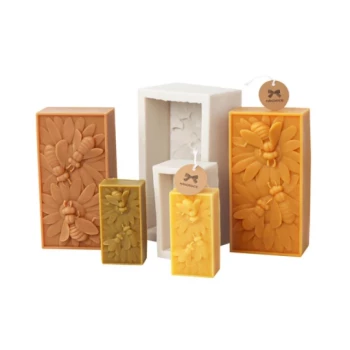
- Bee Floral Relief Silicone Mold for Artisan Soap Candle Making
- Assembled Wooden Bee Frames with Beeswax Foundation Ready to Use by HONESTBEE
People Also Ask
- What are the advantages of using plastic foundation in a beehive? Boost Efficiency and Durability in Your Apiary
- How is plastic foundation installed in a bee frame? Master the 'Bend and Pop' Technique for Better Efficiency
- How to get bees to accept plastic foundation? Apply a Wax Coating for Fast Comb Building
- What is the recommended method for re-waxing plastic bee frame foundation? Master the Foam Brush Technique
- What are the disadvantages of using plastic foundation in a hive? Pros and Cons for Your Apiary