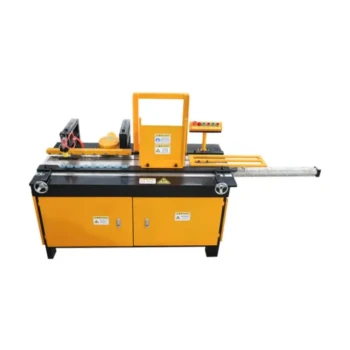
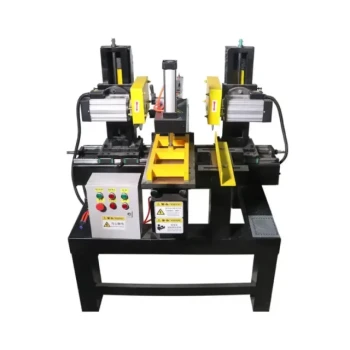
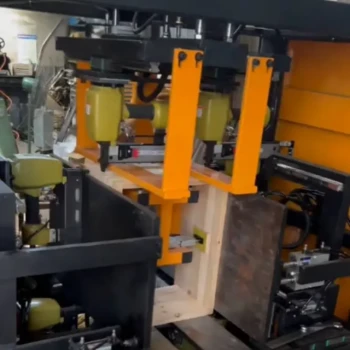
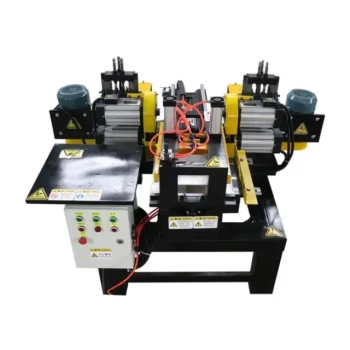
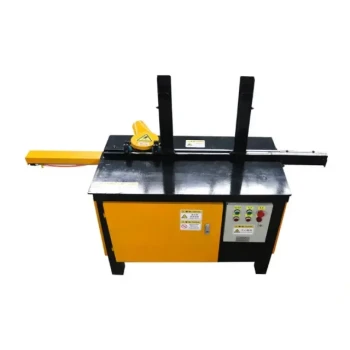
Hive-making and assembly machines serve as critical economic accelerators for start-up apiaries by fundamentally altering the cost structure of expansion. By enabling the in-house production of beehives, these tools lower the initial investment threshold, allowing small operations to rapidly increase colony capacity without facing prohibitive equipment purchase costs.
Core Insight: For apiaries with fewer than 80 hives, the primary economic value of assembly machinery is the ability to capture "increasing returns to scale." By automating hive production, start-ups can overcome the initial bottleneck of acquisition costs, transitioning quickly from a vulnerable small-scale model to an economically sustainable commercial footprint.
Overcoming the Scale Barrier
The "Under 80 Hives" Challenge
Start-up beekeeping operations, particularly those with fewer than 80 hives, often exist in a precarious economic zone. At this size, the operation is large enough to incur significant costs but often too small to generate robust profit margins through honey yield alone.
To survive, these startups must scale up quickly. Hive-making machines allow these businesses to bypass the slow, capital-intensive process of purchasing hives from third parties, facilitating a rapid expansion of colony capacity.
Lowering Entry Thresholds
The cost of purchasing ready-made hives constitutes a major barrier to entry for new commercial beekeepers. In-house assembly machines convert this variable cost (buying individual units) into a fixed production capability.
This shift lowers the initial investment threshold, making it financially feasible for start-ups to acquire the physical assets needed to house a commercially viable number of bee colonies.
Independence from Supply Chains
Reliance on third-party suppliers or manual forest collection can create bottlenecks that stall growth.
By integrating hive-making machinery, start-ups gain supply chain independence. This ensures a reliable supply of bee boxes tailored to specific species, allowing the apiary to transition smoothly from small-scale holdings to commercial levels exceeding 50 hives.
The Long-Term Value of Standardization
Precision and Interchangeability
While the immediate benefit is volume, the long-term economic benefit is standardization. Industrial hive-making machines utilize high-precision mechanical processing to ensure every component is identical.
This interchangeability is vital for cost control. In a non-standardized apiary, managing equipment becomes a logistical nightmare. Machine-made components allow for streamlined management and maintenance, which is a prerequisite for managing large-scale operations.
Durability and Return on Investment
Machine-processed components generally offer superior dimensional precision and structural strength compared to manual methods.
High-quality, standardized components enhance the hive's durability against extreme climates. This extends the lifespan of the assets, reducing the frequency of replacement and optimizing the apiary's long-term return on investment (ROI).
Understanding the Trade-offs
Upfront Capital vs. Per-Unit Savings
While these machines lower the cost per hive, they represent a significant capital expenditure (CapEx). A start-up must weigh the cost of the machinery against its projected growth. If the goal is to remain under 50 hives, the cost of the machine may not be justifiable compared to purchasing finished hives.
The Necessity of Utilization
Machinery only provides economic value if it is utilized to drive expansion. Possessing a hive-making machine creates pressure to grow; it is an asset that depreciates if left idle.
Therefore, investing in this technology commits the start-up to an aggressive growth strategy. The economic model relies on the volume of hives produced; low-volume production will result in a higher cost-per-unit than simply buying hives from a supplier.
Making the Right Choice for Your Goal
To determine if hive-making machinery is the right investment for your start-up, evaluate your strategic objectives:
- If your primary focus is Rapid Expansion (>80 Hives): Invest in assembly machinery immediately to lower per-unit costs and remove supply bottlenecks, leveraging increasing returns to scale.
- If your primary focus is Asset Longevity: Prioritize machines that offer high-precision cutting to ensure standardization, which reduces long-term maintenance costs and improves equipment interchangeability.
- If your primary focus is Small-Scale Stability (<50 Hives): Exercise caution; the capital cost of machinery may outweigh the savings. Purchasing high-quality, pre-made standardized hives may be more economical until you are ready to scale.
Success in modern beekeeping relies not just on biological management, but on the efficient industrialization of your hardware assets.
Summary Table:
| Economic Factor | Impact on Start-up | Core Benefit |
|---|---|---|
| Cost Structure | Variable to Fixed | Dramatically lower per-unit expansion costs |
| Growth Speed | Eliminates Bottlenecks | Rapid colony expansion beyond 80 hives |
| Equipment Quality | High-Precision | Universal standardization and interchangeability |
| Operational Independence | Internalized Production | Full control over supply chain and hive design |
Scale Your Commercial Apiary with HONESTBEE
Transitioning from a small-scale start-up to a high-yield commercial operation requires more than just bees—it requires industrial-grade efficiency. HONESTBEE specializes in supporting commercial apiaries and distributors with a comprehensive wholesale portfolio.
We provide everything you need to optimize your ROI, including:
- Precision Machinery: Hive-making machines and honey-filling lines.
- Essential Hardware: Professional-grade beekeeping tools and equipment.
- Industry Consumables: A wide array of essential daily supplies.
- Cultural Merchandise: Unique honey-themed retail products.
Ready to lower your production costs and enhance your equipment durability? Contact our expert team today to build a scalable, future-proof beekeeping business.
References
- Chian Jones Ritten, M.A. Buddhika Patalee. Firm Efficiency and Returns-to-Scale in the Honey Bee Pollination Services Industry. DOI: 10.1093/jee/toy075
This article is also based on technical information from HonestBee Knowledge Base .
Related Products
- High-Efficiency Pneumatic Bee Hive Making Machine for Rapid Box Assembly
- Mini Desktop Bee Hive Frame Forming Making Machine
- Beehive Handle and Frame Rest Cutting Machine: Your Specialized Hive Machine
- Beehive Machine Double End Saw for Precision Hive Component Manufacturing
- Automatic High-Speed Bee Hive Box Stapling Machine
People Also Ask
- How does the introduction of professional beehive-making machinery benefit sustainable beekeeping? Scale Your Apiary
- Why is specialized beehive-making machinery critical for low-defense breeding? Enhance Selection with Precision Tools
- How does the introduction of specialized beehive making machinery contribute to increasing the scale of regional beekeeping industries?
- What is the importance of specialized beehive making machinery in a circular bio-economy? Build Local Sustainability
- Why is specialized beehive-making machinery essential? Scale Your Apiary with Precision Industrial Standards