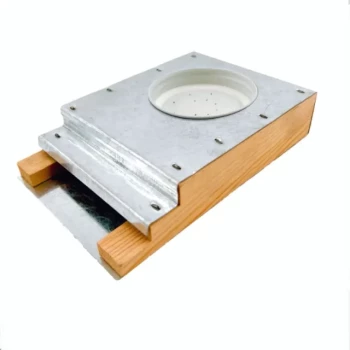
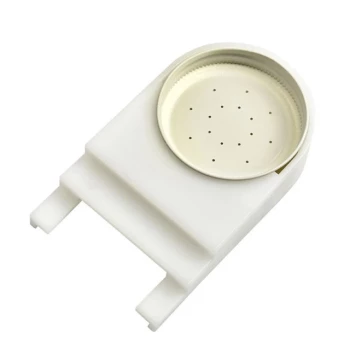
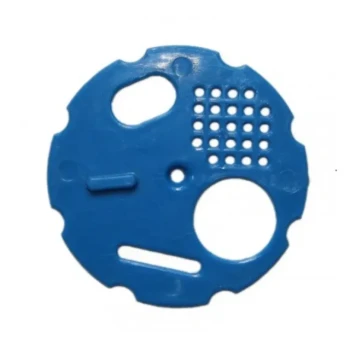
Entrance feeders function by utilizing a system where a small reservoir or jar of syrup sits at the hive's entrance, feeding into a specialized base that allows bees to access nourishment. While these devices are favored for their low cost and the ability to visually monitor feed levels without disturbing the colony, they introduce two specific, critical risks: they expose the food source to the exterior, creating a high probability of robbing behaviors, and they become functionally useless during cold weather when bees refuse to travel to the entrance.
While entrance feeders offer a cost-effective solution for easily monitoring syrup levels, their placement at the hive's exterior creates a significant vulnerability to robbing from other colonies and renders them ineffective during low temperatures.
How Entrance Feeders Operate
The Physical Setup
The mechanism relies on a simple gravity-fed or vacuum system. A small reservoir or jar containing sugar syrup is inverted onto a specialized base.
This base is designed to slide directly into the entrance of the hive. This positioning allows the main volume of syrup to remain outside the hive while providing an access point for the bees just inside the entrance.
Advantages of the Design
The primary operational benefit of this design is visibility. Because the jar remains outside the hive body, an apiarist can check feed levels instantly without opening the hive or disturbing the bees.
Additionally, this equipment is generally cost-effective, making it an accessible option for budget-conscious beekeepers.
Understanding the Specific Risks
The Threat of Robbing
The most significant danger associated with entrance feeders is the risk of robbing. Because the syrup supply is located at the hive's exterior, it emits a scent that is easily detected by bees from other colonies.
This external exposure acts as a beacon for foreign foragers. If a colony is not strong enough to defend its entrance, these "robber bees" can invade, overwhelming the hive to steal the resources.
Ineffectiveness in Cold Weather
Entrance feeders are subject to severe environmental limitations. When temperatures drop, honey bees form a tight cluster within the hive to conserve heat and survive.
In these conditions, bees will not venture to the entrance to feed. Consequently, even if the feeder is full, the colony may starve because they cannot break their cluster to travel the distance to the cold entrance where the food is located.
Making the Right Choice for Your Hive
When deciding whether to utilize an entrance feeder, you must weigh the convenience of monitoring against the health risks to the colony.
- If your primary focus is low-cost monitoring: These feeders allow you to check syrup levels instantly without equipment costs or hive disturbance.
- If your primary focus is hive security: You should avoid this method, as the external food source significantly increases the risk of attracting robber bees.
- If your primary focus is winter survival: These feeders are not a viable option, as bees will not access the entrance during cold weather.
Ultimately, while entrance feeders offer convenience, their use requires careful consideration of the weather conditions and the presence of competing colonies nearby.
Summary Table:
| Feature | Description | Risk / Limitation |
|---|---|---|
| Mechanism | Gravity-fed syrup jar on a specialized base | Robbing: External scent attracts foreign foragers |
| Visibility | Easy monitoring without opening the hive | Theft: Vulnerable if the colony is weak |
| Placement | Slides directly into the hive entrance | Cold Failure: Bees won't break cluster to reach the entrance |
| Cost | Budget-friendly and widely accessible | Starvation: Ineffective during low temperatures |
Scale Your Apiary Operations with HONESTBEE
Are you looking to supply your commercial apiary or distribution network with reliable, professional-grade equipment? At HONESTBEE, we specialize in providing the full spectrum of beekeeping tools and industrial machinery—from specialized hive-making and honey-filling machines to essential consumables and cultural merchandise.
Whether you are managing thousands of colonies or supplying the next generation of beekeepers, our comprehensive wholesale offerings ensure you have the hardware and supplies needed for maximum productivity and hive health.
Ready to elevate your beekeeping business? Contact us today to discuss our bulk pricing and custom equipment solutions.
Related Products
- HONESTBEE Entrance Bee Feeder Professional Hive Nutrition Solution for Beekeeping
- HONESTBEE Entrance Bee Feeder Efficient Hive Front Liquid Feeding Solution for Beekeeping
- Boardman Entrance Bee Feeder Durable Galvanized Steel and Wood Construction for Beekeeping
- Classic Boardman Entrance Bee Feeder Hive Front Feeding Solution
- Professional Hive Front Entrance Bee Feeder
People Also Ask
- What types of bee feeders are available for beginners? Start with the Simple Entrance Feeder
- What are the advantages and disadvantages of using an entrance feeder for bees? Balance Convenience and Hive Security.
- What is a bee entrance feeder and what are its drawbacks? Essential Guide to Hive Security and Feeding Efficiency
- How does a bee entrance feeder work? A Simple Guide to Convenient Hive Feeding
- How to make an entrance feeder for bees? A DIY Guide for Safe & Effective Feeding