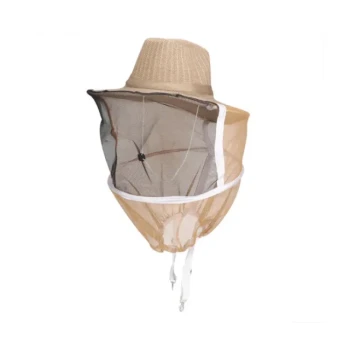
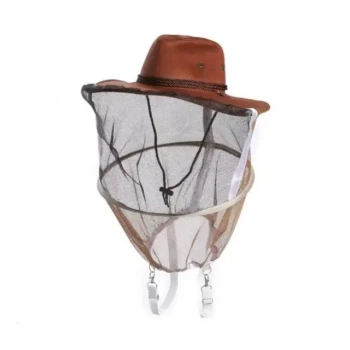
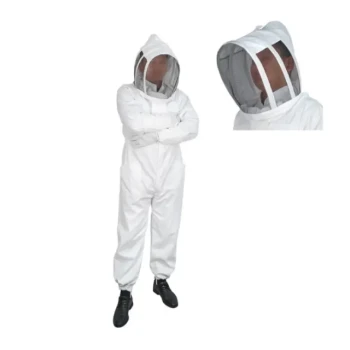
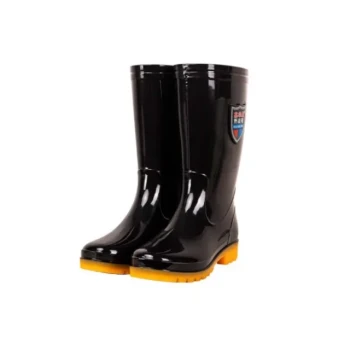
Form-fitting gloves and secure closures improve hive-management safety by protecting vulnerable areas without unnecessarily restricting movement. Well-fitted gloves shield hands from stings, honey, and propolis while preserving the tactile control needed to handle frames carefully. Velcro straps, elastic bands, cords, and properly tucked pant legs prevent bees from entering at the wrists and ankles, helping workers remain calm, focused, and productive.
The right protective gear does more than block stings: it creates a secure seal around the body while maintaining the dexterity required for precise hive work. This reduces avoidable interruptions, protects bee colonies from rough handling, and supports more consistent operations.
How Protective Fit Supports Safer Hive Management
Gloves protect hands without sacrificing control
Form-fitting gloves provide a barrier against stings, sticky honey, and propolis stains. They also help protect the hands during routine tasks such as lifting frames, inspecting brood, and handling hive equipment.
The fit is critical. Gloves that follow the hand more closely generally preserve better finger movement, enabling the operator to grip frames securely and make controlled adjustments.
Dexterity helps prevent accidental bee crushing
Hive management requires careful manipulation. Excessively bulky gloves can reduce tactile sensitivity, making it harder to judge pressure and increasing the risk of crushing bees.
Crushed bees may trigger defensive behavior through alarm pheromones. Gloves that balance sting protection with tactile feedback therefore support both worker safety and calmer colony handling.
Closures protect common entry points
Wrists and ankles are vulnerable because sleeves and pant legs can leave openings. Bees may exploit these gaps, particularly when the colony is defensive or the operator is working close to the hive entrance.
Secure closures—such as Velcro straps, elastic bands, and drawcords—help seal these areas. Pant legs should also be secured around the boots or tucked inside them where appropriate.
How Better Protection Improves Operational Efficiency
Fewer interruptions during inspections
A bee entering a sleeve or pant leg can force the operator to stop, move away from the hive, and adjust clothing. Secure closures reduce the likelihood of these disruptions.
This helps workers complete inspections and routine maintenance with a more consistent workflow, especially when managing multiple hives.
Greater confidence supports concentration
Protective clothing can reduce anxiety around flying bees and defensive colonies. When workers feel adequately protected, they can focus more effectively on frame inspection, colony assessment, and equipment handling.
Confidence does not replace safe technique, but it supports calmer and more deliberate movements.
Controlled movements protect the colony
Form-fitting gloves help workers handle frames without excessive force. Secure clothing closures also reduce sudden reactions caused by bees entering protective gear.
Calmer movements can lower the risk of dropping equipment, crushing bees, or provoking unnecessary defensive behavior, supporting a safer working environment for both operator and colony.
Selecting Equipment for Professional Use
Match glove design to the task
The best glove is not necessarily the thickest one. Buyers should consider the required level of sting protection alongside the dexterity, grip, flexibility, and tactile sensitivity needed for the intended hive-management tasks.
For distributors and resellers, offering multiple glove options can better serve different users, from routine inspection teams to operators working with more defensive colonies.
Prioritize integrated protection
Gloves should work as part of a complete protective system that includes suitable coveralls, a veil, and secure sleeve and leg closures. Protection gaps can undermine otherwise capable equipment.
A veil is especially important because it keeps bees away from the face, helping workers maintain attention during maintenance and inspections.
Evaluate fit and adjustment options
Protective clothing should allow users to adjust cuffs and pant legs securely. Products with practical fastening systems are easier to fit across different users and clothing layers.
For B2B buyers, reliable sizing, clear product specifications, and consistent availability are important because poorly fitting equipment can reduce both safety performance and customer satisfaction.
Understanding the Trade-offs
More protection can reduce sensitivity
Thicker gloves may provide greater resistance to stings but can make fine movements more difficult. Reduced finger feel may increase the chance of crushing bees or mishandling frames.
The correct choice depends on the user’s risk environment, experience, and required precision—not simply on maximum material thickness.
Tight closures must not restrict movement
Closures should seal openings without making the operator’s wrists, ankles, or knees uncomfortable. Excessive tightness can limit mobility and encourage users to loosen or remove the protection during work.
Adjustable systems are preferable because they provide security while accommodating movement and different garment layers.
Protective gear requires correct use
Even well-designed equipment is ineffective if sleeves are left open, pant legs are not secured, or gloves do not fit correctly. Workers should inspect closures before approaching a hive and replace damaged or degraded components.
Protective clothing also does not eliminate the need for calm handling, appropriate hive-management procedures, and awareness of colony behavior.
Making the Right Choice for Your Goal
The most effective product strategy combines protection, usability, and dependable supply.
- If your primary focus is sting protection: Select form-fitting gloves with appropriate coverage and pair them with sealed wrist and leg openings to reduce vulnerable entry points.
- If your primary focus is precision hive handling: Prioritize gloves that preserve tactile sensitivity and finger movement, avoiding unnecessary bulk.
- If your primary focus is operational efficiency: Choose protective systems that minimize interruptions, remain comfortable during extended inspections, and support calm, continuous work.
- If your primary focus is sourcing and resale value: Build a coordinated portfolio of gloves, coveralls, veils, and adjustable closures supported by reliable specifications, responsive service, and efficient fulfillment.
With the right fit and complete coverage, protective gear becomes a practical tool for safer workers, calmer colonies, and more efficient hive operations.
Summary Table:
| Feature | Safety Benefit | Efficiency Benefit |
|---|---|---|
| Form-fitting gloves | Shield against stings, honey, propolis | Maintain dexterity for precise frame handling |
| Secure wrist closures | Prevent bees entering sleeves | Avoid interruptions, ensure calm workflow |
| Secure leg closures | Block bee entry at pant legs | Reduce sudden reactions, protect colony |
| Velcro/elastic adjustments | Customizable fit for security | Comfortable movement, user adaptability |
| Integrated protection | Complete barrier with coverall and veil | Supports focus and confidence |
Equip your team with high-quality protective gear from HONESTBEE. Our comprehensive wholesale portfolio includes form-fitting gloves, secure closures, and full hive-management solutions. We cater to commercial apiaries and distributors, offering rapid response, OEM/ODM support, and ultra-fast delivery. Enhance safety and efficiency today — Contact us for tailored sourcing and bulk pricing.
Related Products
- Beekeeping Gloves Goatskin Leather with Long Cotton Sleeve for Beekeepers
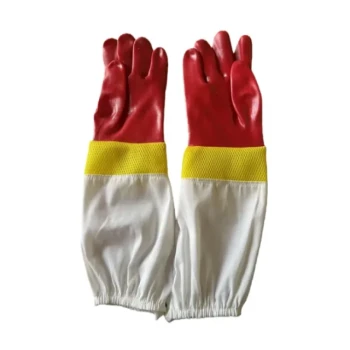
- Heavy Duty Red Rubber Beekeeping Gloves with Vented Mesh Cotton Sleeves
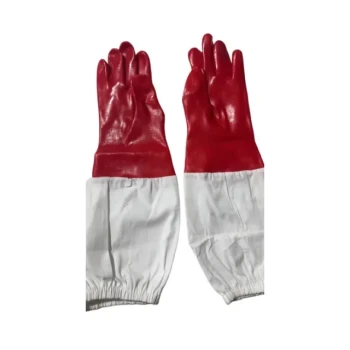
- Heavy Duty Red Rubber Beekeeping Gloves with Extended Pure Cotton Sleeves for Beekeepers
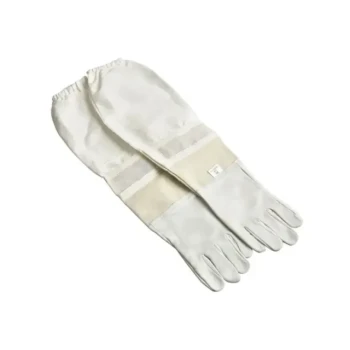
- Goatskin Leather Beekeeper Gloves with Vent Long Sleeve for Beekeeping Honey Bee Sting Proof Protection
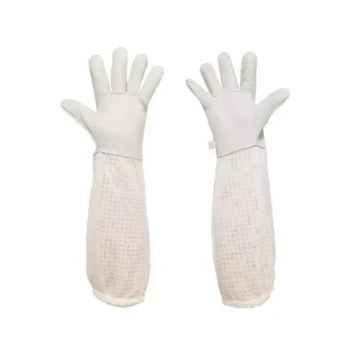
- Premium Ventilated Goatskin Beekeeping Gloves with Full 3-Layer Mesh Sleeve
People Also Ask
- What are the characteristics of the best gloves for beekeeping? Choose Protection & Dexterity
- What are the primary purposes of using beekeeping gloves? Protect Your Hands and Ensure Apiary Hygiene
- What types of gloves are available for beekeeping? Choose the Right Protection for Your Hive
- Why is it important for beekeepers to wear gloves? Essential Safety and Confidence for Hive Management
- Why do some experienced beekeepers opt not to wear gloves? Discover the Benefits of Tactile Precision