Greater wax moth larvae damage hive equipment by tunneling through wax comb and, during severe infestations, boring into the wooden frame and hive walls. The larvae consume beeswax, pollen, honey, brood-cocoon material, and organic debris while constructing silk-lined galleries filled with frass. As the infestation advances, they hollow boat-shaped cavities in wooden components to anchor cocoons, weakening the frame and potentially collapsing the comb.
The most reliable commercial strategy is integrated storage control: remove attractive debris, use freezing or controlled cold storage to kill pest stages, maintain airflow and pest-resistant storage, and reserve chemical treatments only for applications that are legally approved and cannot contaminate honey or beeswax.
How Greater Wax Moth Larvae Damage Frames
Tunneling Through Comb
Greater wax moth larvae burrow through honeycomb rather than simply feeding on exposed wax surfaces. Their tunnels disrupt wax cells, brood comb, pollen stores, and the structural connections that hold the comb in the frame.
The larvae also leave behind silk webbing and frass, which can spread across multiple frames. In warm, dark, poorly ventilated storage, an unprotected comb stack can deteriorate rapidly.
Attacking Wooden Components
Severe infestations extend beyond the wax. Larvae chew shallow, boat-shaped depressions into frame side bars, hive bodies, and interior walls while preparing to spin cocoons and pupate.
This damage reduces the mechanical integrity of the equipment. Even when the wooden frame remains usable, the comb may be too distorted, contaminated, or structurally weak to return safely to a productive colony.
Why Brood Frames Are Especially Vulnerable
Old brood frames contain cocoons, pollen, and other organic residues that make them more attractive than clean extracted honey-super comb. These materials provide both food and shelter for developing larvae.
For this reason, commercial apiaries should treat brood frames as a higher-risk storage category. They may require sanitation, isolation, closer inspection, or replacement with fresh frames and foundation.
Storage Tools That Protect Comb
Freezers and Cold-Storage Rooms
Freezing is the most dependable chemical-free treatment for stored comb because sufficiently low temperatures can kill wax moth eggs, larvae, and other life stages. Commercial operations can use chest freezers, walk-in freezers, or dedicated cold-storage rooms, depending on frame volume.
The treatment must reach the entire frame load, not merely the surface. After treatment, frames should remain protected during handling and storage so surviving or newly introduced moths cannot reinfest them.
Climate-Controlled Storage Enclosures
Controlled cold rooms and insulated storage enclosures help maintain temperatures that suppress moth development between honey flows. They are particularly useful for distributors, commercial beekeepers, and operations managing large seasonal inventories.
Temperature monitoring is essential. A storage room that is cool but warm enough for continued development may create a false sense of security.
Ventilated Frame Racks
Frame racks, spacers, and ventilated hive-stack systems keep air moving around stored equipment. Better circulation reduces humidity buildup and makes it harder for moths to establish in dark, stagnant cavities.
Racks should support frames without compressing them and should allow regular inspection. Stable spacing also helps prevent webbing from spreading unnoticed between adjacent frames.
Pest-Resistant Hive Bodies and Covers
Empty supers or hive bodies can function as storage containers when they are clean, tightly fitted, and free from large cracks or gaps. Fitted lids and sealed hardware openings reduce access points for adult moths.
For larger stacks, the storage enclosure should remain well ventilated while still limiting pest entry. Sealing must not create a damp, condensation-prone environment.
Wax-Processing Equipment
Specialized wax rendering equipment provides a practical outlet for old or heavily damaged comb. Processing culled wax during winter downtime reduces the amount of organic material available to support moth populations.
Frames that are no longer economically or structurally worth preserving should be removed from storage rather than allowed to become an infestation source.
Storage Methods for Commercial Apiaries
Freeze Frames Before Long-Term Storage
Freeze surplus comb before placing it into long-term storage, especially when frames contain brood residues or have been removed from colonies for an extended period. Sub-zero treatment is intended to eliminate existing pest stages before the frames enter the storage system.
After freezing, protect the frames from condensation and reinfestation. Sealed protective bags or a clean, monitored storage enclosure can help maintain the treatment's value.
Store Clean, Dry Comb
Remove excess organic debris, damaged comb, and unnecessary brood residue before storage. Clean extracted honey-super comb is generally less attractive to wax moths than old brood comb.
Do not store visibly infested frames alongside clean inventory. Isolate suspect equipment and inspect it before deciding whether to freeze, sanitize, render, or replace it.
Use Cool, Ventilated Hive Stacks
Store supers in cool, well-ventilated stacks with light spacers between frames or boxes where appropriate. Avoid warm, dark, tightly packed arrangements that restrict airflow and conceal early webbing.
Stacking systems should remain accessible for inspection. Commercial managers need to be able to check the interior of the stack without disrupting the entire storage area.
Maintain Strong Colonies During the Season
The strongest protection is often a healthy colony with enough guard bees to patrol the hive. Strong, well-populated colonies are better able to remove or suppress wax moth larvae than weak colonies.
Reduce unmanaged comb and avoid leaving idle hive bodies, supers, or frame debris exposed. Good colony management lowers the pest pressure that later reaches the storage facility.
Inspect and Rotate Stored Inventory
Storage is a management process, not a one-time treatment. Inspect frames and hive bodies at scheduled intervals for silk galleries, frass, damaged cells, larvae, or adult moths.
Use inventory rotation so older, higher-risk brood frames are processed or replaced before they become long-term liabilities. Accurate stock records also help commercial suppliers fulfill orders quickly without shipping compromised equipment.
Understanding the Trade-offs
Freezing Requires Capacity and Handling Discipline
Freezing avoids chemical residue concerns, but large apiaries need adequate freezer capacity, loading procedures, and temperature monitoring. Frames must also be protected from moisture and reinfestation after removal from cold storage.
For high-volume operations, dedicated cold rooms may improve throughput, while smaller freezers may suit periodic treatment of selected lots.
Ventilation Does Not Replace Temperature Control
Airflow and spacing reduce humidity and concealment, but they do not necessarily kill eggs or larvae already present. Warm storage can still support development even when the equipment is neatly arranged.
Ventilated racks work best as part of a broader system that includes cleaning, cold treatment, inspection, and pest exclusion.
Bt Can Be Useful, but Application Must Be Controlled
Approved Bacillus thuringiensis treatments may provide a non-fumigant option for protecting stored comb. Their use should follow the product label, local regulations, and any restrictions related to honey, wax, equipment, and food-contact applications.
A treatment should never be selected solely because it is convenient. The intended use of the frames determines which products and methods are acceptable.
Chemical Fumigants Create Residue Risks
Para-dichlorobenzene and similar chemical crystals have historically been used in sealed equipment stacks, but beeswax can absorb chemical residues. Frames and supers intended for human honey production should not be exposed to a treatment that could compromise honey or wax safety.
Chemical consumables should therefore be considered only where the product is approved for the specific equipment and use, and never as a substitute for chemical-free treatment when food-contact equipment is involved. Follow current labels and regulatory requirements in the operating jurisdiction.
Storage Cannot Repair Damaged Frames
No storage method restores comb that has already collapsed or wooden components that have been deeply bored. Early isolation and prompt treatment preserve more inventory than attempting to rescue heavily infested equipment later.
Commercial buyers and resellers should evaluate frame condition before shipment and separate reusable, repairable, and render-only stock.
How to Apply This to Your Operation
Select storage equipment according to frame volume, intended use, and the level of control required.
- If your primary focus is honey-safe comb preservation: Freeze frames before storage, then keep them in sealed, clean, pest-resistant protection without exposing food-contact equipment to inappropriate fumigants.
- If your primary focus is high-volume commercial storage: Use monitored cold rooms or dedicated freezers, ventilated frame racks, fitted hive bodies, and scheduled inspections to manage large seasonal inventories.
- If your primary focus is equipment longevity: Remove infested or heavily contaminated brood frames, render recoverable wax, and replace structurally damaged wooden frames before storage.
- If your primary focus is distribution and order fulfillment: Maintain separated, inspected inventory of clean, treated, and reusable frames so customers receive dependable equipment without avoidable pest or residue risks.
- If your primary focus is minimizing chemical use: Combine strong colony management, sanitation, freezing, cool airflow, pest exclusion, and approved biological controls where appropriate.
A disciplined combination of cold treatment, clean inventory, ventilation, inspection, and compliant product selection preserves comb frames and gives commercial apiaries a more reliable supply of ready-to-use equipment.
Summary Table:
| Damage/Issue | Storage Tool/Method | Effectiveness | Key Considerations |
|---|---|---|---|
| Tunneling through comb | Freezing/cold storage | Kills all life stages | Requires full penetration, moisture protection |
| Wood boring | Climate-controlled storage | Suppresses development | Temperature monitoring needed |
| Brood frame vulnerability | Ventilated racks | Reduces humidity, improves airflow | Does not kill existing pests |
| Reinfestation | Pest-resistant hive bodies | Limits adult moth entry | Ensure tight fit, avoid condensation |
| High-risk frames | Wax rendering equipment | Removes infested comb | Recoverable wax only |
| Seasonal storage | Integrated approach | Most reliable | Combine cleaning, cold, ventilation |
Protect your hive equipment and ensure reliable supply for your customers. As a comprehensive beekeeping equipment supplier, HONESTBEE provides high-quality frame storage solutions, cold-room systems, and professional guidance tailored to commercial apiaries and distributors. Leverage our one-stop sourcing, rapid response, and dedicated support to optimize your operations. Contact us today to safeguard your frames and boost your business efficiency!
Related Products
- Professional Frame Comb Fork and Lifter for Efficient Handling
- Plastic Honey Comb Frames Cassette Box for Honey
- Heart-Shaped Comb Honey Frame and Honeycomb Cassette
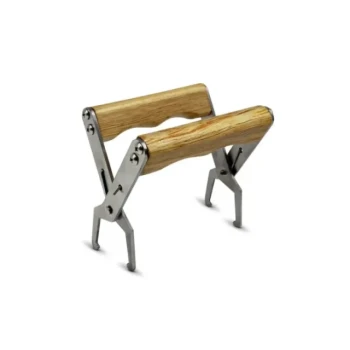
- Premium Frame Grip with Ergonomic Wood Handles
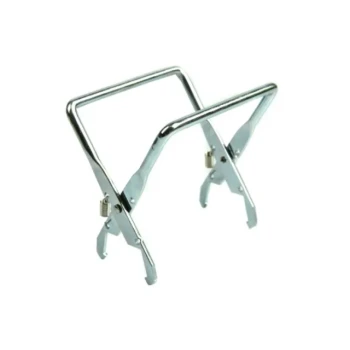
- Durable Galvanized Steel Frame Grip
People Also Ask
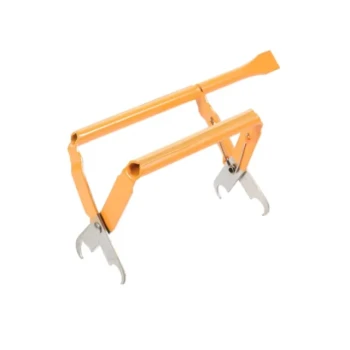
- What is the specific design and purpose of a frame lifter hive tool? Master Gentle Hive Inspections
- How does the frame lifter hive tool function? Master Safe and Gentle Frame Removal
- What are the technical benefits of using a frame lifter? Maximize Hive Safety and Inspection Efficiency
- What are the roles of frames and combs in a beehive? Essential Infrastructure for Healthy Apiaries
- What is the function of specialized beekeeping tools and hive frames? Enhance Efficiency & Yield in Your Apiary