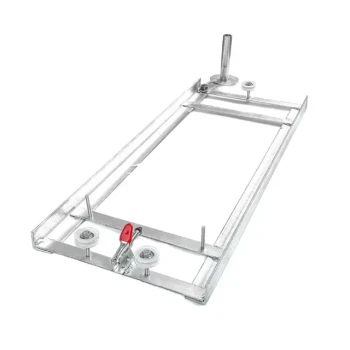
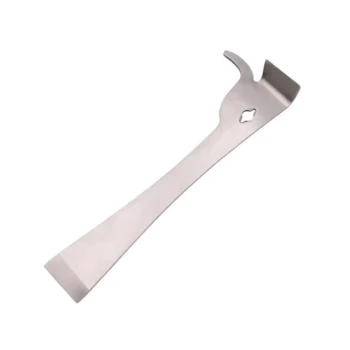
Specialized beekeeping tools and hive frames function as the essential hardware interface between natural bee biology and modern industrial production. Primarily, hive frames act as structural guides to enforce orderly comb construction and optimize space utilization, while specialized tools allow for maintenance and extraction that minimizes biological disruption to the colony.
Core Takeaway: The transition from traditional to modern beekeeping relies on standardization. By using frames that allow for non-destructive honey extraction and tools that ensure safe, frequent inspections, you effectively shift the colony’s energy expenditure from rebuilding nests to producing honey, while simultaneously lowering disease risks.
Optimizing Hive Architecture
The fundamental efficiency of a modern apiary begins with how the bees interact with their physical environment.
Guiding Orderly Construction
High-quality hive frames are critical for directing bees to build combs within specific, manageable boundaries. Without these frames, bees naturally build irregular structures ("burr comb") that make management impossible without destroying the nest.
Maximizing Space Utilization
By enforcing a standardized geometry, frames ensure that every cubic inch of the hive body is utilized efficiently. This allows the colony to expand its population and storage capacity in a predictable, vertical manner rather than a chaotic horizontal spread.
Energy Conservation and Yield
Frames enable the non-destructive extraction of honey. Because the wax structure remains intact and can be recycled back into the hive, bees do not need to consume vast amounts of energy (honey) to secrete new wax. This directly converts potential metabolic waste into higher harvestable yields.
Elevating Management Standards
Tools are not merely for the beekeeper's convenience; they are the mechanism by which "farming" replaces "foraging."
Reducing Biological Disruption
Professional maintenance tools allow beekeepers to manipulate the hive environment without triggering a massive defensive response. This reduction in stress is vital, as frequent severe disruptions can stall colony growth or induce swarming.
Improving Scientific Management
The use of specialized tools facilitates precise, daily operations. This precision allows for tasks that were difficult in traditional setups, such as splitting colonies, isolating queens, or measuring specific brood patterns to track genetic lines.
Disease and Contaminant Control
Standardized equipment creates a controlled biological environment. By using manufactured, distinct components, beekeepers can inspect for pests and diseases more effectively and prevent external physical contaminants from compromising honey quality during storage.
The Role of Safety Equipment
Modern beekeeping processes require close-range, frequent interaction with the colony, which is impossible without adequate protection.
Safety as a Prerequisite for Inspection
Protective suits are more than safety gear; they are operational enablers. They allow technicians to perform intricate internal inspections and transfers without the fear of stings, ensuring that colony management is thorough rather than rushed.
Sustainability and Ecosystem Protection
Specialized tools replace archaic, destructive harvesting methods, such as the use of fire to drive bees out. This shift protects the local ecosystem and significantly reduces bee mortality during the harvest season.
Understanding the Trade-offs
While modern equipment drives efficiency, it introduces specific operational requirements that traditional methods lack.
The "Consumable" Factor
As noted in the primary reference, tools and frames are critical consumables. Unlike hollow logs or woven baskets, these components have a lifecycle and represent an ongoing operational cost rather than a one-time setup.
Dependence on Standardization
The efficiency of this system relies entirely on precision manufacturing. If frames or hive bodies deviate from standard dimensions, the benefits of interchangeability and pest inspection are lost, potentially leading to cross-comb construction that locks the hive together.
Making the Right Choice for Your Goal
To apply this understanding to your operation, consider your primary objective:
- If your primary focus is Maximum Yield: Prioritize high-quality frames that support non-destructive extraction, allowing you to recycle the comb and save bee energy.
- If your primary focus is Colony Health: Invest heavily in specialized inspection tools and protective gear that encourage frequent, low-stress monitoring for diseases.
- If your primary focus is Scalability: Ensure strict adherence to standardized manufacturing dimensions to facilitate mechanized processing and equipment interchangeability.
Ultimately, specialized tools transform the hive from a wild habitat into a controlled production unit where honey quality and colony longevity are secured through engineering.
Summary Table:
| Component Type | Primary Function | Impact on Productivity |
|---|---|---|
| Hive Frames | Directs orderly comb construction | Enables non-destructive extraction & comb recycling |
| Specialized Tools | Facilitates precise colony manipulation | Reduces biological stress & improves inspection accuracy |
| Protective Gear | Ensures beekeeper safety | Allows for thorough, frequent hive maintenance |
| Standardized Hardware | Enforces consistent geometry | Facilitates scalability and mechanical processing |
Scale Your Commercial Apiary with HONESTBEE Precision Equipment
At HONESTBEE, we understand that high-performance beekeeping requires more than just passion—it requires precision-engineered hardware. We provide commercial apiaries and distributors with a comprehensive wholesale catalog, ranging from hive-making and honey-filling machines to essential standardized frames and specialized tools.
Our mission is to help you shift from traditional foraging to industrial-scale farming by providing the equipment necessary to maximize yields and ensure colony longevity. Whether you are stocking essential consumables or investing in heavy machinery, our expert team is ready to support your growth.
Ready to optimize your production?
References
- Usif Abulfat Humbatov. ABOUT REGULATION OF BEE-KEEPING FARM PRICES BY THE STATE. DOI: 10.15863/tas.2015.07.27.18
This article is also based on technical information from HonestBee Knowledge Base .
Related Products
- Ergonomic Plastic Frame Spacer Tool for Rapid Hive Management Beekeeping
- Stainless Steel J Hook Hive Tool for Beekeeping
- HONESTBEE Classic Pry Bar Hive Tool with High Visibility Finish for Beekeeping
- Multi-Function Plier-Style Frame Grip Hive Tool
- HONESTBEE Professional Long Handled Hive Tool with Precision Cutting Blade
People Also Ask
- What specific challenges do beekeeping hive tools address during hive maintenance? Essential Solutions for Apiaries
- How do specialized beehive management tools support high-purity honey production? Master Monofloral Isolation
- How do specialized beehive management tools assist in the routine maintenance of bee colonies? Boost Hive Efficiency
- What are the approximate costs of basic beekeeping tools? Start Your Apiary for Under $85
- How do traditional harvesting tools like axes and machetes negatively affect bee colonies? Upgrade to Professional Gear