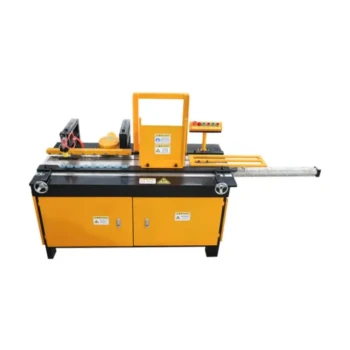
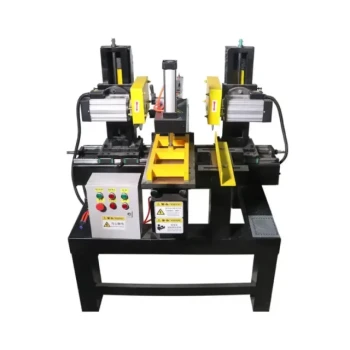
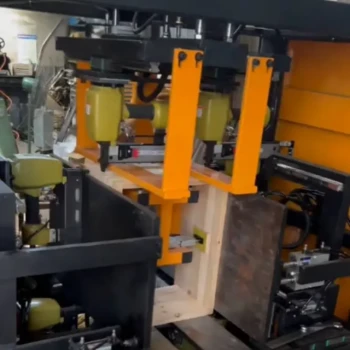
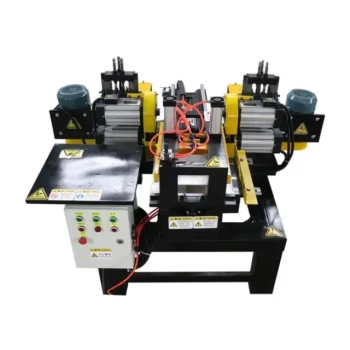
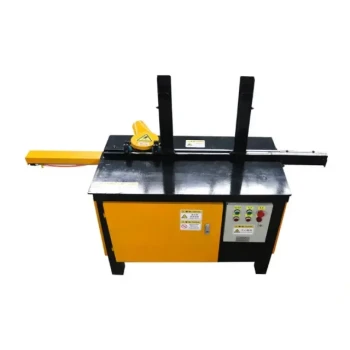
Hive-making machines act as the technological bedrock for modernizing apiculture by shifting production from artisanal methods to precision engineering. They contribute to industrialization by enabling the mass production of standardized components, which facilitates the interchangeability, mobility, and high-efficiency management required for large-scale commercial operations.
By automating the creation of precise, interchangeable hive components, these machines transform beekeeping from a localized craft into a scalable industrial system capable of supporting migratory agriculture and mechanized processing.
The Power of Precision and Standardization
Achieving Component Interchangeability
The primary contribution of hive-making machines is the creation of universally interchangeable parts. Industrial-grade machinery uses precision cutting to ensure that every frame, bottom board, and super meets exact specifications.
This uniformity removes the friction of manual adjustment. It allows beekeepers to move frames between hives, merge colonies, or replace damaged parts instantly without worrying about fit.
Aligning with Biological Requirements
Beyond simple fit, these machines ensure dimensions strictly adhere to the critical concept of "bee space."
By maintaining precise internal spacing, the equipment respects the biological needs of the bees while preventing them from bridging combs in ways that hinder management. This precision creates a controlled, artificial environment optimized for human management.
Facilitating High-Efficiency Management
Enabling Mechanized Extraction
Industrialization requires moving away from manual harvesting to mechanized processing.
Because hive-making machines produce frames with identical dimensions, commercial operations can utilize automated uncapping and spinning equipment. This standardization is the prerequisite for high-speed honey extraction lines.
Supporting Migratory Beekeeping
Large-scale commercial agriculture relies on the mobility of bee colonies for pollination services.
Machine-manufactured hives provide the structural durability and consistent stacking ability needed for transport. This physical foundation allows apiaries to become mobile units, moving vast numbers of colonies across different climates and agricultural zones efficiently.
Streamlining Colony Operations
Standardized infrastructure acts as the material foundation for scientific management workflows.
With uniform equipment, complex tasks like colony splitting, requeening, and disease treatment can be systematized into repeatable protocols. This consistency allows for the management of thousands of hives with a relatively small labor force.
Driving Economies of Scale
Reducing Infrastructure Costs
The transition to mass production significantly lowers the cost of beekeeping infrastructure.
By automating the manufacturing process, the fixed asset investment required to start or expand an apiary is reduced. This affordability is crucial for businesses aiming to rapidly scale their operations.
Rapid Expansion Capabilities
Industrial machinery supports the quick deployment of new infrastructure.
When an operation needs to expand, hive-making machines enable the rapid fabrication of durable housing. This technical support is essential for apiaries aiming to achieve economies of scale and modernize their production models.
Understanding the Trade-offs
While hive-making machines drive efficiency, they represent a fundamental shift away from natural environments.
The primary reference notes a transition from natural nesting environments to controlled, artificial structures. While this optimizes for honey storage and collection, it forces colonies to adapt to rigid, human-centric designs rather than organic habitation.
Additionally, while standardization is efficient, it requires significant upfront investment in machinery. Smaller operations may find the cost of industrial-grade equipment prohibitive compared to traditional, manual construction methods.
Making the Right Choice for Your Goal
To determine how to leverage this technology, assess your operational scale:
- If your primary focus is large-scale commercial pollination: Prioritize machinery that guarantees high durability and stackability to support frequent migratory stress.
- If your primary focus is rapid expansion: Invest in equipment that maximizes production speed to lower the per-unit cost of new infrastructure.
- If your primary focus is species-specific management: Utilize machines capable of customizing dimensions to match the specific habits of bees like the Italian or Oriental honey bee.
Standardization is not just about convenience; it is the structural prerequisite for turning beekeeping into a scalable industry.
Summary Table:
| Feature | Impact on Industrialization | Benefit to Large-Scale Apiaries |
|---|---|---|
| Precision Engineering | Ensures strict adherence to "bee space" | Optimizes hive health and simplifies colony management. |
| Standardization | Enables component interchangeability | Allows for rapid part replacement and uniform stacking for transport. |
| Mass Production | Lowers per-unit infrastructure costs | Facilitates rapid business expansion and economies of scale. |
| Mechanized Compatibility | Aligns with automated extraction lines | Supports high-speed honey processing and reduced labor costs. |
Modernize Your Beekeeping Infrastructure with HONESTBEE
At HONESTBEE, we specialize in empowering commercial apiaries and global distributors with the tools needed for industrial success. From high-precision hive-making machines and automated honey-filling lines to a comprehensive range of wholesale beekeeping equipment and consumables, we provide the technological bedrock for your growth.
Why partner with HONESTBEE?
- Scalability: Rapidly expand your operations with durable, standardized equipment.
- Efficiency: Reduce labor and maximize honey output with industrial-grade machinery.
- Expertise: Access a full spectrum of specialized hardware and industry-essential supplies tailored for professionals.
Ready to transform your artisanal craft into a high-efficiency industrial powerhouse?
Contact HONESTBEE Today for Wholesale Solutions
References
- Fabrice Réquier, Robin M. Crewe. Learning from Wild Honey Bees. DOI: 10.1016/j.tree.2019.08.002
This article is also based on technical information from HonestBee Knowledge Base .
Related Products
- High-Efficiency Pneumatic Bee Hive Making Machine for Rapid Box Assembly
- Mini Desktop Bee Hive Frame Forming Making Machine
- Beehive Handle and Frame Rest Cutting Machine: Your Specialized Hive Machine
- Beehive Machine Double End Saw for Precision Hive Component Manufacturing
- Automatic High-Speed Bee Hive Box Stapling Machine
People Also Ask
- How does the introduction of professional beehive-making machinery benefit sustainable beekeeping? Scale Your Apiary
- Why is specialized beehive-making machinery critical for low-defense breeding? Enhance Selection with Precision Tools
- How does the introduction of specialized beehive making machinery contribute to increasing the scale of regional beekeeping industries?
- What is the importance of specialized beehive making machinery in a circular bio-economy? Build Local Sustainability
- Why is specialized beehive-making machinery essential? Scale Your Apiary with Precision Industrial Standards