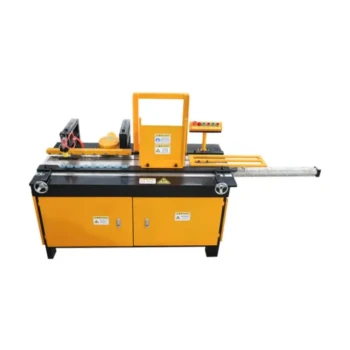
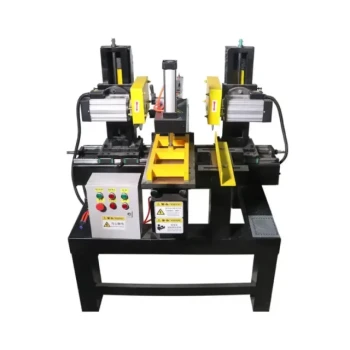
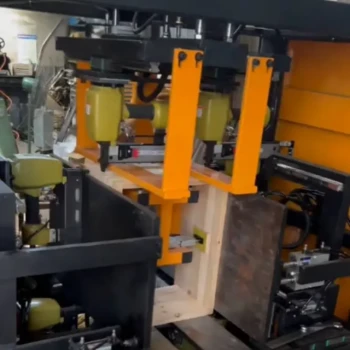
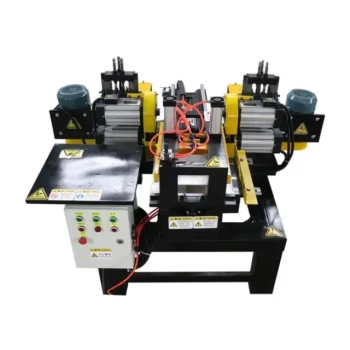
Industrial hive-making machines function as the foundational quality control mechanism in modern apiculture. By leveraging standardized designs and precision manufacturing, these machines create consistent, optimized environments that actively minimize pest intrusion and disease, thereby preserving the nutritional integrity and biological activity of sensitive raw materials like royal jelly and bee pollen at their source.
Core Takeaway The transition from manual to industrial hive production is not merely about speed; it is about biological security. Precision hardware creates a standardized defense against environmental contaminants, ensuring that high-value byproducts retain their potency and purity from extraction to processing.
The Impact of Standardization on Biological Quality
Precision Manufacturing as a Hygiene Factor
The primary contribution of industrial hive-making machines is the elimination of structural variability. Precision manufacturing ensures that every hive component fits together with exacting tolerances.
This tightness significantly reduces gaps and crevices where pests and diseases typically harbor. By physically securing the hive environment, the machinery indirectly lowers the bacterial load on the raw materials collected within.
Optimizing the Breeding Environment
Quality raw materials require healthy bees. Industrial machines produce hives designed to maintain optimal internal conditions for breeding and production.
When the colony environment is stable and stress-free, the biological activity of the substances the bees produce—specifically the enzymatic properties of royal jelly—remains high.
Preserving Nutritional Integrity
The ultimate goal of using standardized hardware is to protect the chemical composition of the harvest.
By facilitating a cleaner environment and efficient collection, the machinery ensures that the final product retains the specific nutritional profile and energy values required by high-end markets.
Hardware Configurations for Specialized Collection
Enabling Multi-Product Operations
Standard hives produced by these machines are often modular, allowing beekeepers to move beyond simple honey production.
To capture high-value materials, the hive architecture supports specific hardware integrations. This transforms the hive from a passive shelter into an active production facility.
Specialized Modules for Royal Jelly
Collecting royal jelly requires more than a standard frame. The industrial setup accommodates specialized artificial queen cells and extraction tools.
These modules are essential for inducing the bees to produce jelly in harvestable quantities without compromising the colony's health.
Integration of Pollen Traps
For pollen collection, precision hardware allows for the seamless installation of pollen traps at the beehive entrance.
These devices must be fitted perfectly to strip pollen from returning foragers without injuring the bees or slowing down traffic, a balance achievable through industrially manufactured components.
Understanding the Trade-offs
The Risk of Systemic Design Flaws
While standardization offers consistency, it also introduces the risk of replicated errors. If the initial industrial design of a hive contains a flaw—such as poor ventilation or inadequate thermal retention—that flaw is replicated across thousands of units.
Economic vs. Biological Focus
Industrial machinery is often optimized for economic return and efficiency. Beekeepers must ensure that the "optimal production environment" created by the machine prioritizes the biological needs of the bee over pure ease of human harvesting, otherwise, colony collapse becomes a risk despite the high-tech hardware.
Making the Right Choice for Your Goal
When integrating industrial hive technology into your operation, align your hardware choices with your specific production targets.
- If your primary focus is Pharmaceutical-Grade Royal Jelly: Prioritize hive designs that feature specialized, seamless integration for artificial queen cells to minimize contamination during extraction.
- If your primary focus is High-Volume Pollen Production: Select hive architectures with precision-fitted entrance traps that maximize collection efficiency without causing congestion or physical stress to the colony.
Ultimately, industrial hive-making machines provide the structural reliability necessary to transform raw apiary ingredients into standardized, high-value commodities.
Summary Table:
| Feature | Impact on Raw Material Quality | Benefit for Commercial Apiaries |
|---|---|---|
| Precision Tolerances | Eliminates gaps to reduce pest and bacterial harbor | Maintains high purity and lowers contamination risk |
| Standardized Design | Ensures consistent thermal and ventilation control | Protects enzymatic activity in royal jelly |
| Modular Integration | Seamless fit for pollen traps and artificial cells | Increases harvest yield without stressing the colony |
| Structural Durability | Prevents environmental moisture and pollutant ingress | Preserves nutritional profile and biological potency |
Elevate Your Bee Product Quality with HONESTBEE Precision Engineering
To compete in the high-end markets for royal jelly and bee pollen, your foundational hardware must be flawless. HONESTBEE empowers commercial apiaries and distributors with industry-leading hive-making machines, honey-filling equipment, and specialized beekeeping tools designed for biological security.
Whether you are scaling up a wholesale operation or seeking specialized machinery to manufacture precision hives, our comprehensive portfolio ensures your materials retain their maximum nutritional value. Let us help you transform your production from manual labor to an optimized industrial facility.
Ready to optimize your apiary’s output? Contact HONESTBEE today for expert consultation and wholesale solutions!
References
- Natasa Djordjevic. Historical aspect as a fundamental importance apitherapy, time and place of this integrative healing methods in traditional medicine. DOI: 10.5937/sestrec1673022d
This article is also based on technical information from HonestBee Knowledge Base .
Related Products
- High-Efficiency Pneumatic Bee Hive Making Machine for Rapid Box Assembly
- Beehive Handle and Frame Rest Cutting Machine: Your Specialized Hive Machine
- Beehive Machine Double End Saw for Precision Hive Component Manufacturing
- Mini Desktop Bee Hive Frame Forming Making Machine
- Automatic High-Speed Bee Hive Box Stapling Machine
People Also Ask
- How does the introduction of professional beehive-making machinery benefit sustainable beekeeping? Scale Your Apiary
- Why is specialized beehive-making machinery critical for low-defense breeding? Enhance Selection with Precision Tools
- How does the introduction of specialized beehive making machinery contribute to increasing the scale of regional beekeeping industries?
- What is the importance of specialized beehive making machinery in a circular bio-economy? Build Local Sustainability
- Why is specialized beehive-making machinery essential? Scale Your Apiary with Precision Industrial Standards