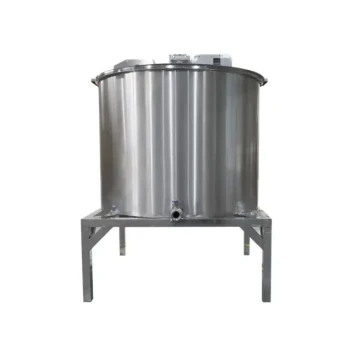
Integrated deep-processing production lines mitigate economic risks by transforming surplus raw honey into diversified, high-value industrial goods rather than relying on volatile raw commodity markets. By equipping facilities with machinery for pretreatment, component separation, and packaging, producers can convert excess stock into products like spirits, confectionery, and dietary supplements. This capability effectively absorbs market oversupply and insulates revenue streams from international price fluctuations.
Deep-processing technology shifts the business model from simple raw material collection to advanced manufacturing. By converting surplus honey into a varied portfolio of shelf-stable products, producers can maintain economic stability even when raw material prices crash due to overcapacity.
The Mechanics of Market Stabilization
Absorbing Excess Inventory
When the market is saturated with raw honey, selling the commodity directly often leads to diminished returns or financial loss. Deep-processing lines provide an immediate internal outlet for this surplus. Instead of letting stock depreciate, the raw material is funneled into the production of secondary goods.
Diversifying Revenue Streams
Reliance on a single product creates significant economic vulnerability. Deep-processing machinery allows for the creation of alternative products such as honey-based spirits, candies, and health supplements. This ensures that revenue continues to flow from different market sectors, even if the primary raw honey market is stagnant.
Reducing Exposure to Price Volatility
International raw material prices are notoriously unstable. By processing honey into finished industrial products, you decouple your revenue from the daily fluctuations of the raw commodity market. Finished goods generally command more stable, higher-margin prices than raw agricultural inputs.
Enhancing Value Through Technology
Advanced Component Separation
Deep processing is not merely about packaging; it involves sophisticated separation technologies. This machinery isolates specific components of honey for use in specialized industrial applications. This capability opens doors to pharmaceutical and nutritional markets that require specific ingredient standards.
Elevating Commercial Standards
While deep processing creates new products, automated filling lines improve the value of the honey itself. These systems utilize precise volume control and sterile environments to minimize material loss. This transitions the operation from bulk resource collection to high-quality, branded commercial packaging.
Creating Shelf-Stable Assets
Raw agricultural products often have strict storage requirements and expiration timelines. Processed goods, such as spirits or hard candies, significantly extend the shelf life of the underlying resource. This allows producers to hold inventory longer and sell when market conditions are favorable.
Understanding the Trade-offs
Capital Intensity vs. Operational Security
Implementing deep-processing lines requires a substantial upfront investment in hardware for pretreatment and separation. This capital expenditure is significantly higher than that required for simple extraction. However, this cost buys insurance against the "boom and bust" cycles of agricultural overproduction.
Complexity of Operations
Moving from extraction to deep processing increases operational complexity. It requires technical expertise to manage automated lines and ensure product consistency across diverse SKUs. Producers must balance the need for diversified products with the reality of higher maintenance and training requirements.
Making the Right Strategic Choice
Investing in deep-processing infrastructure is a strategic pivot toward manufacturing resilience.
- If your primary focus is mitigating oversupply risks: Prioritize lines that convert raw honey into non-perishable goods like spirits or dry supplements to maximize shelf life.
- If your primary focus is increasing profit margins: Focus on component separation and automated filling technologies to produce premium, pharmaceutical-grade, or luxury-branded products.
Ultimately, deep-processing technology transforms raw honey from a vulnerable commodity into a versatile industrial asset, securing long-term economic viability.
Summary Table:
| Strategy Category | Mechanism for Risk Mitigation | Key Machinery / Technology |
|---|---|---|
| Inventory Management | Absorbs surplus by converting raw honey into shelf-stable goods | Pretreatment & fermentation systems |
| Revenue Diversification | Creates multiple income streams (spirits, candy, supplements) | Specialized confectionery & distillation lines |
| Market Insulation | Decouples revenue from volatile raw commodity price indexes | Component separation & refining hardware |
| Value Optimization | Transitions from bulk commodity to premium branded products | Automated precision filling & sterile packaging |
Secure Your Apiary's Economic Future with HONESTBEE
Don't let market overcapacity and volatile raw honey prices threaten your business stability. HONESTBEE empowers commercial apiaries and global distributors with the cutting-edge technology needed to pivot from raw material collection to advanced manufacturing.
Our comprehensive wholesale portfolio includes:
- Industrial Machinery: High-precision honey-filling machines and specialized hive-making equipment.
- Deep-Processing Lines: Advanced systems for pretreatment, component separation, and manufacturing honey-based industrial goods.
- Essential Consumables: A full spectrum of beekeeping tools and industry-standard supplies.
- Cultural Merchandise: Unique honey-themed products to diversify your retail offerings.
Whether you are looking to increase profit margins or build a resilient production line, our team of experts is ready to provide the specialized hardware and technical support your operation deserves.
Contact HONESTBEE today to optimize your production capacity!
References
- Oleksandr Shubalyi, Iryna HRYNYK. Financial and economic stimulation of in-depth processing of beekeeping products in Ukraine. DOI: 10.33763/npndfi2020.04.066
This article is also based on technical information from HonestBee Knowledge Base .
Related Products
- Fully Automatic Honey Filling Packaging Machine for Processing Line
- Heavy Duty Stainless Steel Honey Processing Machine Decrystallizing Tank
- 32 Frame Commercial Electric Honey Extractor for Beekeeping and Honey Production
- Honey Concentrating and Filtering Dehumidifier Machine 2T Capacity for Honey
- Electric Double Wall Honey Filtering Machine Purifier Equipment for Honey Processing Plant
People Also Ask
- Why are fully automatic honey filling and packaging lines essential? Boost Your Honey's Market Value and Quality
- What is a fully-automatic honey filler? Streamline Your Production with High-Precision Automation
- How do automated honey filling and packaging machines affect profitability? Boost Margins with HONESTBEE Technology
- How do automated honey filling and packaging machines contribute to the market value of honey products? Maximize Your ROI
- How do industrial-grade automated honey filling and packaging machines mitigate the risk of physical contamination?