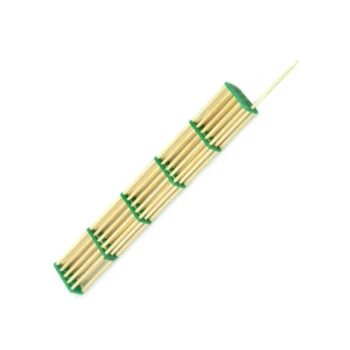
Isolation facilities and geographic isolation zones function as strict biological firewalls. They physically or spatially exclude wild drone populations to create a closed genetic environment. By ensuring queens mate only with screened, superior drones, these systems prevent genetic contamination and guarantee lineage purity.
The primary challenge in honeybee breeding is the uncontrolled nature of open mating. Isolation zones solve this by enforcing a closed genetic loop, preventing contamination from outside strains and allowing for the rapid stabilization of specific hereditary traits.
The Mechanics of Genetic Control
Creating a Closed Genetic Environment
The fundamental purpose of an isolation facility is to eliminate random variables. In a natural setting, a queen may mate with any available drone in the vicinity.
Isolation zones effectively "close the door" to the outside world. This creates a controlled ecosystem where the genetic inputs are strictly monitored and regulated.
Eliminating Interference from Non-Target Strains
Wild bee colonies often carry genetics that are undesirable for specific breeding goals, such as aggression or low disease resistance.
Geographic isolation uses distance or natural barriers—such as islands, valleys, or deserts—to physically block these wild drones. This ensures that the only genetic material available to the queen comes from the managed program.
Prioritizing Superior Genetics
Control is not just about exclusion; it is about selection. These facilities ensure that the only drones available for mating have been "screened."
Because the drone population is curated, breeders can guarantee that specific, superior traits are passed down. This replaces the lottery of open mating with a calculated biological strategy.
Accelerating Genetic Progress
Rapid Stabilization of Traits
When mating is uncontrolled, desirable traits can disappear in a single generation due to dilution.
Isolation facilities prevent this dilution. By consistently pairing queens with specific drone lines, hereditary traits are "stabilized" much faster than in open populations.
Maintaining Lineage Purity
For breeders working with specific subspecies or hygienic strains, purity is paramount.
Isolation zones act as a sanctuary for these specific bloodlines. They allow for the maintenance of a pure stock that serves as a baseline for future breeding efforts.
Understanding the Trade-offs
The Difficulty of Perfect Isolation
Achieving a 100% "closed" environment is geographically challenging.
Bees can fly significant distances. Finding a location that is truly free from all wild colonies or hobbyist hives requires significant logistical effort and rigorous verification.
Managing Genetic Diversity
While stabilizing traits is the goal, a closed system inherently limits the gene pool.
Breeders must be vigilant to avoid inbreeding depression. The accelerated stabilization mentioned in the reference implies a reduction in genetic variance, which requires careful management to maintain colony health.
Making the Right Choice for Your Goal
To determine if an isolation strategy is necessary for your apiary, consider your specific breeding objectives.
- If your primary focus is Rapid Trait Fixation: Utilize geographic isolation to exclude wild genetics and lock in desirable traits quickly.
- If your primary focus is Stock Maintenance: Use isolation facilities to preserve the genetic purity of established lines against environmental contamination.
Controlled mating is the difference between hoping for a good result and engineering a superior one.
Summary Table:
| Feature | Geographic Isolation Zones | Specialized Isolation Facilities |
|---|---|---|
| Primary Mechanism | Natural barriers (islands, valleys, deserts) | Physically controlled or remote enclosures |
| Core Objective | Exclude wild drone populations | Ensure 100% closed genetic environment |
| Main Benefit | Rapid stabilization of superior traits | Preservation of pure breed lineage |
| Key Challenge | Long-distance bee flight interference | Managing genetic diversity/inbreeding |
| Best For | Commercial apiaries & large-scale breeding | Scientific research & stock maintenance |
Elevate Your Apiary’s Genetic Excellence with HONESTBEE
For commercial apiaries and distributors, maintaining genetic purity is the foundation of a productive harvest. HONESTBEE understands the precision required in modern beekeeping, offering a comprehensive wholesale range of professional tools and machinery. From specialized hive-making equipment to advanced honey-filling machines and essential industry consumables, we provide the hardware necessary to support your breeding and production goals.
Ready to scale your operation with superior equipment? Contact us today to discover how our wholesale solutions and honey-themed merchandise can add value to your business and your customers.
References
- L. Abdullayeva. Genetic Characteristics of honey Bee breeding in the Ganja-Gazakh Region of Azerbaijan. DOI: 10.33619/2414-2948/113/06
This article is also based on technical information from HonestBee Knowledge Base .
Related Products
- Automatic Heat Preservation 6 Frame Pro Nuc Box for Honey Bee Queen Mating
- Twin Queen Styrofoam Honey Bee Nucs Mating and Breeding Box
- Portable Bee Mating Hive Boxes Mini Mating Nucs 8 Frames for Queen Rearing
- Styrofoam Mini Mating Nuc Box with Frames Feeder Styrofoam Bee Hives 3 Frame Nuc Box
- Professional Bamboo Queen Isolation Cage
People Also Ask
- What are the options for adding frames to a nuc after taking two frames from the parent colony?
- How are nuc boxes used in queen rearing? The Essential Tool for Reliable Queen Mating
- What steps are involved in transferring frames from the nuc box to the hive? A Guide for a Smooth, Low-Stress Colony Move
- What is the process for managing a new bee colony started in a nuc box? Expert Tips for Hive Success
- How long can bees be kept in a nuc box? Expert Timeline for Hive Transfer