Movable frames in modern beehives facilitate scientific beekeeping by allowing for the individual removal, inspection, and replacement of honeycombs without damaging the colony's structure. This standardized modularity transforms the hive from a closed vessel into an accessible biological laboratory, enabling precise monitoring of brood development, disease detection, and advanced population management.
Core Takeaway: By decoupling the honeycomb from the hive body, movable frames allow beekeepers to treat the colony as a manageable system where specific variables—such as food stores, brood health, and population density—can be measured, manipulated, and optimized independently.
The Mechanics of Visibility and Access
The Importance of Non-Destructive Inspection
In traditional log hives, inspecting the brood nest often required cutting out combs, which destroyed the colony's infrastructure. Movable frames allow technicians to remove frames individually from the top or rear. This preserves the overall structure of the colony while providing direct visual access to the bees.
The Critical Role of "Bee Space"
The functionality of movable frames relies on a precise internal gap known as bee space (approximately 0.375 inch). This specific dimension prevents bees from sealing the frames to the hive walls with propolis or wax. Because the frames remain unattached to the box, they can be manipulated repeatedly without excessive force or vibration that would agitate the colony.
Monitoring Biological Development
With movable frames, you can effectively monitor the lifecycle of the colony. Beekeepers can verify the presence of the queen, assess the quality of brood development, and estimate the ratio of workers to drones. This visibility allows for data-driven decisions regarding when to split a hive or when to intervene to prevent swarming.
Standardization as a Scientific Tool
Interchangeability and Resource Balancing
Modern hives like Langstroth or Zander models utilize standardized dimensions. This allows frames to be moved not just within a single hive, but between different hives in an apiary. A weak colony can be scientifically bolstered by donating a frame of brood or honey from a stronger colony, smoothing out variances in apiary health.
Volume Control and Artificial Feeding
Movable frame systems allow for the expansion or contraction of the hive volume based on immediate needs. Beekeepers can add "supers" (additional boxes) during honey flows or reduce space to help the colony conserve heat in winter. Furthermore, the design supports artificial feeding, allowing for precise nutritional supplementation when natural resources are scarce.
Advanced Queen and Swarm Management
The movable frame is the hardware foundation for artificial queen rearing. It enables the isolation of specific genetic lines and the manipulation of cells for breeding programs. Additionally, it permits artificial swarm control techniques, where the colony population is managed to prevent the loss of bees to natural swarming.
Disease Management and Hygiene
Early Detection of Pathogens
Scientific beekeeping requires rigorous disease control. Movable frames expose the brood pattern, making it possible to identify symptoms of infectious diseases like American Foulbrood early. Technicians can easily extract specific frames to perform diagnostic tests, such as sugar roll assays for Varroa mites or hygienic behavior tests.
Comb Renewal and Sanitation
Old combs can accumulate pesticide residues and pathogens over time. Movable frames facilitate the systematic removal of old or damaged combs and their replacement with fresh foundation. This cycle of renewal is a critical prophylactic measure in modern apiary hygiene protocols.
Efficient Honey Extraction
Frames enable honey extraction via centrifugal force. Because the wax comb is not crushed during harvest, the intact frame can be returned to the bees. This saves the colony the metabolic energy required to rebuild wax, significantly increasing subsequent honey yield and overall efficiency.
Understanding the Trade-offs
Management Intensity vs. "Let-Alone" Beekeeping
While movable frames provide control, they also demand a higher level of technical intervention. The system is designed for active management, not passive observation. Improper handling or frequent opening of the hive can disrupt the colony's internal climate and stress the bees.
Equipment Complexity and Cost
Implementing a movable frame system requires standardized equipment, which introduces higher initial costs and maintenance requirements compared to rudimentary basket or log hives. The precision required to maintain the correct bee space necessitates well-manufactured components to prevent jamming or propolizing.
Making the Right Choice for Your Goal
To leverage movable frames effectively, align your management style with your specific scientific or production objectives:
- If your primary focus is Disease Research: Prioritize the regular rotation of brood frames to facilitate non-destructive sampling and hygienic testing (such as sugar rolls).
- If your primary focus is Production Efficiency: Utilize the centrifugal extraction capability to preserve drawn comb, allowing bees to focus energy on nectar collection rather than wax secretion.
- If your primary focus is Genetic Improvement: Leverage the standardization of frames to isolate high-performing queens and transfer genetic material easily between colonies for rearing.
Movable frames are not just a housing method; they are the essential interface that allows humans to interact with bee biology in a measurable, repeatable, and scientific manner.
Summary Table:
| Feature | Scientific Benefit | Practical Application |
|---|---|---|
| Individual Access | Non-destructive monitoring | Visual brood assessment & disease detection |
| Standardization | Resource balancing | Transferring frames between hives to boost weak colonies |
| Bee Space Gap | Equipment mobility | Prevents propolis sealing for easy, agitation-free handling |
| Modular Design | Population control | Adding supers for honey flow or reducing space for winter |
| Centrifugal Extraction | Resource conservation | Returning intact wax combs to save bee metabolic energy |
Elevate Your Apiary with Professional-Grade Equipment
At HONESTBEE, we empower commercial apiaries and distributors with the tools needed for precision beekeeping. From standardized Langstroth and Zander frames to high-efficiency honey-filling machines and hive-making hardware, our comprehensive wholesale catalog is designed to optimize your productivity and colony health.
Partner with us to access:
- High-durability beekeeping machinery and tools.
- Essential consumables for large-scale apiary hygiene.
- Specialized hardware tailored for industrial honey production.
Ready to scale your operations with reliable industry expertise? Contact HONESTBEE today and let us provide the full spectrum of equipment your business deserves.
References
- Teshome Kassa Degu, Guta Regasa Megerssa. Role of Beekeeping in the Community Forest Conservation: Evidence from Ethiopia. DOI: 10.1080/0005772x.2020.1825308
This article is also based on technical information from HonestBee Knowledge Base .
Related Products
- Wooden Bee Hive Frames for Beekeeping and Wholesale
- JZBZ Langstroth Queen Rearing Frame for Beekeeping
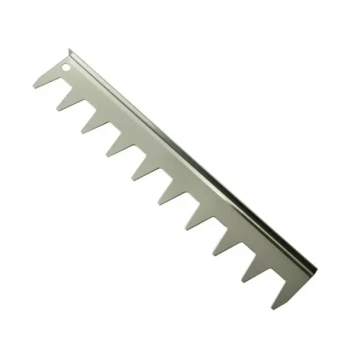
- Stainless Steel 9 Frame Hive Spacer Durable Precise for Commercial Beekeeping
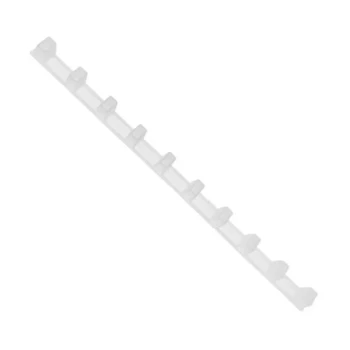
- Durable Plastic Frame Spacer
- Long Langstroth Style Horizontal Top Bar Hive for Wholesale
People Also Ask
- How do wooden and plastic hive frames compare in terms of durability? Wood vs. Plastic Longevity & Repairability
- How does balancing the number of frames impact hive productivity? Optimize Your Apiary's Biological Output
- What are the main considerations when choosing between wooden and plastic bee hive frames? Optimize Your Apiary's Efficiency
- How should beehive frames be maintained to prolong their lifespan? 5 Pro Tips for Durable Beekeeping Equipment
- What are frames and combs used for in beekeeping? The Foundation of Modern Hive Management