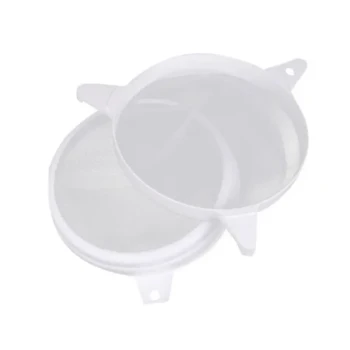
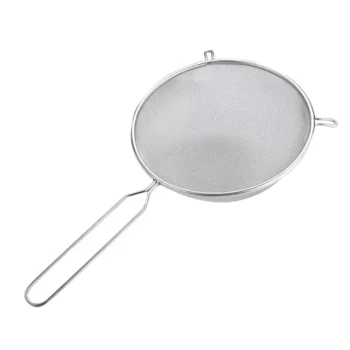
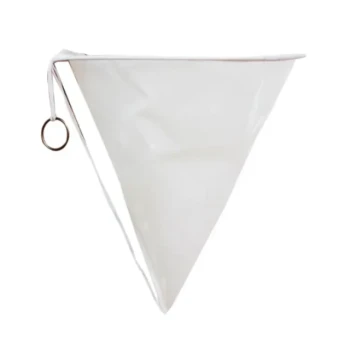
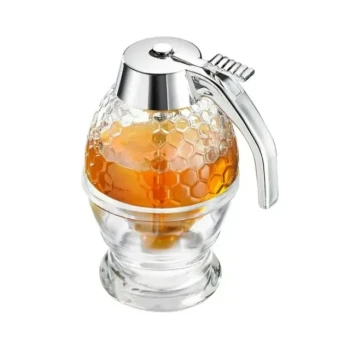
Multi-layer filters serve as the critical physical barrier in the honey processing chain, acting as the primary defense against contamination. Positioned strategically at the centrifuge outlet or directly above storage containers, they utilize a precision mesh structure to mechanically intercept and remove solid impurities—such as beeswax residues, bee fragments, and forest debris—before the honey enters the delicate settling and finishing phases.
By effectively isolating physical contaminants early in the process, multi-layer filtration safeguards the honey's visual clarity and prevents impurities from compromising the product's stability. This ensures the final output is not only visually appealing but compliant with rigorous food safety standards.
The Mechanics of Purification
Precision Mesh Structures
Professional filters employ a multi-layered precision mesh design. This structure creates a physical sieve that actively traps dust, particles, and organic matter as the raw honey passes through.
Assisted Flow Dynamics
Because raw honey is viscous, the filtration process is often enhanced by applying light pressure and gentle heat. This combination maintains the honey in a fluid state, increasing the filtration rate without forcing solid contaminants through the mesh.
Mechanical Removal of Debris
The primary function is the removal of mechanical impurities. This includes larger solids like beeswax debris and bee parts, as well as finer "forest contaminants" collected during harvesting that would otherwise cloud the final product.
Strategic Placement in the Processing Line
Post-Centrifuge Intervention
The most critical placement for these filters is at the centrifuge outlet. Intercepting debris immediately after extraction prevents contaminants from dissolving further into the honey or causing issues during pumping.
Pre-Storage Safeguards
Filters are also positioned above storage and settling containers. This ensures that only clarified honey enters the resting phase, preventing sediment formation or layering that could degrade quality over time.
Impact on Quality and Compliance
Ensuring Visual Clarity
Filtration is essential for sensory purity. By removing particulate matter, the process ensures the honey is transparent and clean, meeting consumer expectations for a premium, visually appealing product.
Regulatory Compliance
Industrial-grade filtration ensures the product meets international food safety and hygiene standards. By removing organic residues, producers significantly reduce the risk of spoilage or secondary contamination.
Preservation of Integrity
When executed correctly, this mechanical process preserves the honey’s natural flavor and nutrient profile. It clarifies the liquid without stripping away the essential properties that define high-quality honey.
Understanding the Trade-offs
The Heat Balance
While gentle heat improves flow through fine filters, temperature control is paramount. Excessive heat can degrade the honey's enzymatic activity and nutrients. Producers must balance filtration speed with thermal preservation.
Mesh Size vs. Flow Rate
A finer mesh ensures higher purity but significantly restricts flow rate. Selecting the correct pore size is a trade-off between processing efficiency and the level of "polish" required for the specific market grade.
Optimizing Filtration for Your Objectives
To implement multi-layer filtration effectively, align your equipment choices with your production goals:
- If your primary focus is High-Volume Commercial Distribution: Prioritize pressure-assisted systems with temperature controls to maximize throughput and uniformity while meeting standard hygiene regulations.
- If your primary focus is Artisanal or Raw Honey: Prioritize gravity-fed or low-pressure filtration with minimal heat to ensure maximum retention of volatile aromatics and enzymes, even at the cost of slower processing times.
Multi-layer filtration is not just a cleaning step; it is the foundational process that elevates raw extraction into a professional, safe, and marketable commodity.
Summary Table:
| Feature | Function in Purification | Impact on Quality |
|---|---|---|
| Precision Mesh | Mechanically traps wax, debris, and bees | Ensures superior visual clarity |
| Strategic Placement | Positioned at centrifuge outlets/storage | Prevents contaminant dissolution |
| Controlled Flow | Balanced heat and pressure application | Preserves enzymes and nutrients |
| Regulatory Mesh | Filters to international safety standards | Guarantees market-ready compliance |
Elevate Your Honey Quality with HONESTBEE Expertise
At HONESTBEE, we specialize in empowering commercial apiaries and distributors with high-performance honey processing solutions. Whether you need advanced multi-layer filtration systems, industrial honey-filling machines, or durable hive-making machinery, our comprehensive wholesale catalog is designed to optimize your production efficiency.
From essential beekeeping tools to specialized consumables and honey-themed cultural merchandise, we provide the full spectrum of equipment needed to scale your operations and satisfy the most rigorous market standards.
Ready to refine your production line? Contact our experts today to discover how HONESTBEE can deliver the professional hardware and industry-leading support your business deserves.
References
- José Vivaldo Machado Fernandes Júnior, Napiê Galvê Araújo Silva. Cadeia Produtiva do Mel: um estudo no município de Pau dos Ferros/RN. DOI: 10.5902/2236117019781
This article is also based on technical information from HonestBee Knowledge Base .
Related Products
- Professional Stainless Steel Honey Filtering Machine with Water Bath Heating for Beekeeping
- Stainless Steel Double Layer Honey Strainer Sieve Filters
- Two-Stage Plastic Honey Filter for Buckets
- Electric Double Wall Honey Filtering Machine Purifier Equipment for Honey Processing Plant
- Professional Stainless Steel Honey Filter with Support Handle
People Also Ask
- What is the best way to filter honey? A Guide to Quality, Clarity, and Raw Preservation
- Why do people filter honey? For Clarity, Stability, and Consumer Appeal
- Is it necessary to filter honey after extraction? A Guide to Straining vs. Raw Honey
- Why is filtering honey an important step in honey processing? Ensure Purity, Clarity & Marketability
- What are the benefits of using honey filters? Achieve Purity, Efficiency, and Market Appeal