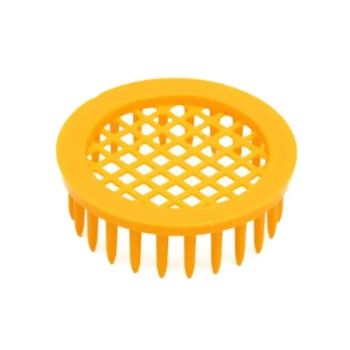
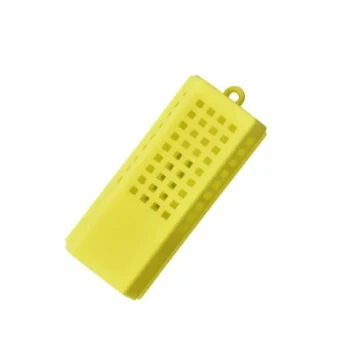
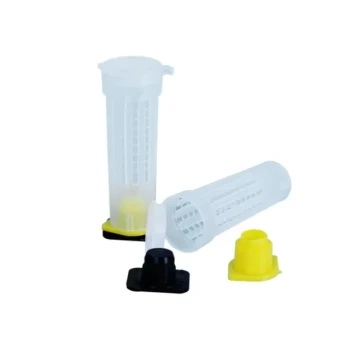
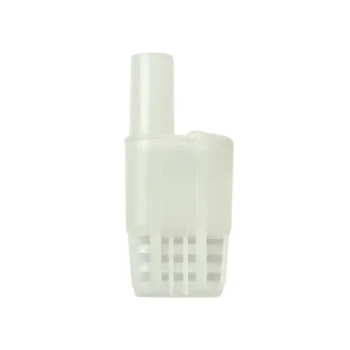
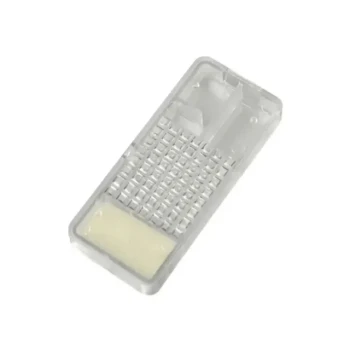
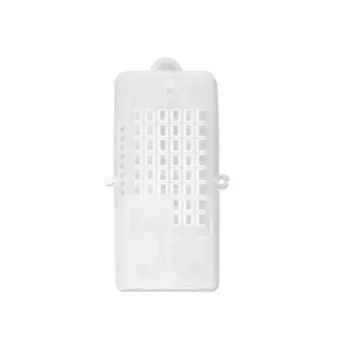
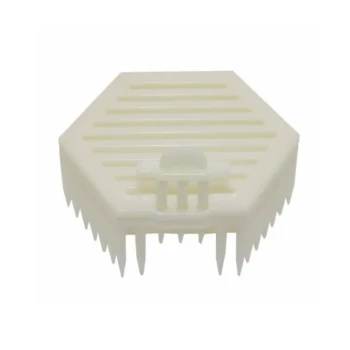
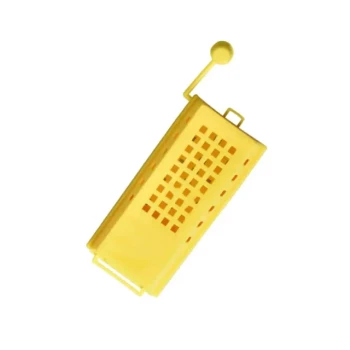
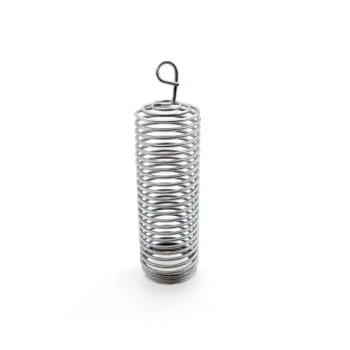
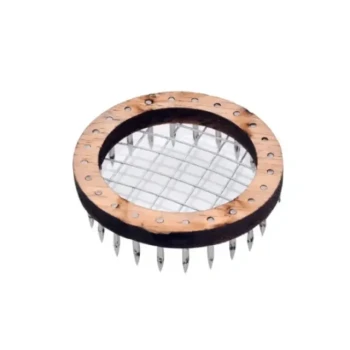
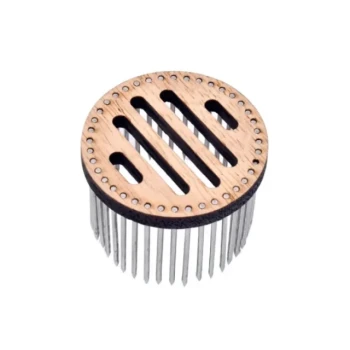
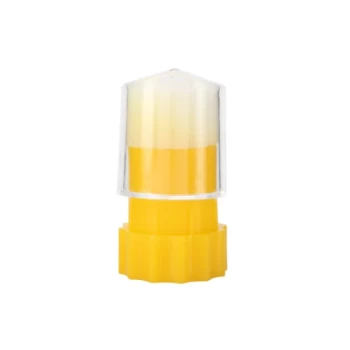
Plastic hair roller queen cages function as distinct isolation units designed to protect queen cells immediately prior to hatching. By placing these cages over the cells, beekeepers create a secure physical boundary that allows the virgin queen to emerge safely without being accessible to rival queens or aggressive worker bees, while still permitting essential care through the cage walls.
The core function of the hair roller cage is to disrupt the natural "survival of the fittest" cycle in the hive. It safeguards high-value genetic stock by preventing the first emerged queen from destroying unhatched sister queens, ensuring a higher yield of viable queens from a single colony.
The Mechanics of Isolation
The Physical Barrier
The primary mechanism of the cage is a rigid physical enclosure. This barrier is placed directly over the queen cell before the queen emerges (hatches).
Once the queen chews her way out of the wax cell, she is immediately contained within the plastic cylinder. This containment prevents her from roaming the hive to locate and destroy other developing queen cells.
The Permeable Mesh Design
While the cage isolates the queen physically, it does not isolate her socially. The cage features a mesh or grid structure with openings sized specifically for worker bee interaction.
These openings allow nurse bees to extend their proboscises through the bars to feed the confined queen (trophallaxis). This ensures the queen remains nourished and groomed without being exposed to direct physical contact that could lead to stinging or balling.
Managing the Emergence Phase
Preventing Fratricide
In a natural setting, the first virgin queen to emerge will instinctively hunt down and sting rival queens while they are still in their cells. The hair roller cage neutralizes this instinct by blocking access to rivals.
This allows a beekeeper to rear multiple queens in a single colony simultaneously. Without this equipment, the colony would likely result in only one surviving queen.
Protection from Worker Aggression
Newly emerged queens are soft and vulnerable, and occasionally, a colony may act aggressively toward a new virgin queen. The cage serves as a safe transition zone.
It allows the queen's pheromones to integrate with the colony safely. This is particularly useful when holding queens for experimental data collection, such as ovariole counts, or while awaiting artificial insemination.
Understanding the Trade-offs
Confinement Limitations
While these cages ensure survival, they strictly limit the queen's movement. A queen left in a hair roller cage too long cannot take orientation or mating flights, which are essential for natural reproduction.
Management Intensity
Using these cages requires precise timing. The beekeeper must manually install the cage over the cell just before hatching; placing it too early hinders incubation, while placing it too late risks the queen emerging uncaged and destroying the crop.
Making the Right Choice for Your Goal
Whether you are a commercial breeder or a researcher, the hair roller cage is a tool for control.
- If your primary focus is Commercial Yield: Use these cages to maximize the number of live queens harvested per batch by preventing the destruction of unhatched cells.
- If your primary focus is Genetic Preservation: Use these cages to safely hold virgin queens for artificial insemination or controlled introduction into new colonies.
The hair roller cage effectively suspends the lethal competition of the hive, giving the beekeeper total control over the fate of every emerged queen.
Summary Table:
| Feature | Functionality | Primary Benefit |
|---|---|---|
| Rigid Barrier | Physical enclosure of the queen cell | Prevents the queen from destroying rival cells |
| Mesh Design | Sized for nurse bee proboscis access | Allows feeding and grooming while maintaining safety |
| Isolation Unit | Separates emerged queens from the hive | Protects vulnerable queens from worker bee aggression |
| Controlled Environment | Delays natural 'survival of fittest' cycle | Maximizes yield of viable queens per colony |
Maximize Your Apiary’s Queen Production with HONESTBEE
At HONESTBEE, we understand that commercial success in beekeeping hinges on the survival of every high-value queen. Whether you are a large-scale commercial apiary or a distributor serving professional breeders, we provide the full spectrum of essential beekeeping tools and machinery. From precision-engineered queen rearing equipment and hive-making machines to automated honey-filling systems, our comprehensive wholesale offering is designed to streamline your operations and enhance genetic preservation.
Ready to scale your colony yield? Contact us today to explore our wholesale equipment solutions and see how HONESTBEE can empower your business with industry-leading beekeeping hardware.
References
- Reed M. Johnson, Eric G. Percel. Effect of a Fungicide and Spray Adjuvant on Queen-Rearing Success in Honey Bees (Hymenoptera: Apidae). DOI: 10.1603/ec13199
This article is also based on technical information from HonestBee Knowledge Base .
Related Products
- Durable Plastic Push In Queen Bee Cage
- Professional Multi-Compartment Queen Cage with Sliding Lid
- Premium Nicot Style Queen Rearing Kit with Hair Roller Bee Cages
- Plastic Long Marker Device for Catching and Marking Bees Queen Bee Marking Tube and Cage
- Multi-Function Queen Roller Cage and Catcher
People Also Ask
- What advantages do push-in queen cages offer? Boost Acceptance Rates for Artificially Inseminated Queens
- What is a push-in queen cage and how does it differ from a standard queen cage? Boosting Your Queen Acceptance Rates
- How can a beekeeper obtain a push-in queen cage? DIY vs. Professional Sourcing Guide
- Why are specialized queen bee cages used for the banking of mated queen bees? Maximize Commercial Apiary Storage Efficiency
- What is a push-in queen cage and how does it differ from standard cages? Achieve Higher Queen Acceptance Rates