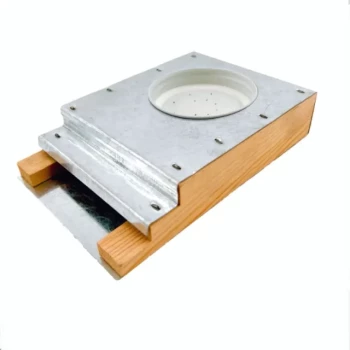
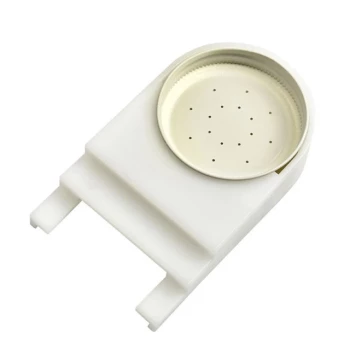
Professional bee feeders and nutritional supplements serve as a critical life-support system by artificially sustaining colony metabolism when natural resources are unavailable. These tools directly reduce overwintering losses by preventing starvation—the leading cause of winter mortality—through the precise delivery of sucrose for energy and protein for physiological maintenance. By stabilizing the colony’s energy reserves, these interventions ensure bees generate sufficient heat to survive the cold and retain enough vitality for rapid spring recovery.
Core Takeaway: Overwintering success is determined by energy management and immune resilience. Professional feeding systems mitigate the risks of harsh climates by ensuring a continuous, safe intake of nutrients, preventing resource depletion and establishing the biological foundation for high productivity in the subsequent season.
Addressing the Caloric Deficit
Preventing Starvation and Energy Depletion
The primary threat during winter is the exhaustion of stored food reserves.
When natural nectar is scarce, the colony consumes vast amounts of energy to generate warmth.
Supplements provide the necessary sucrose to fuel this thermoregulation, preventing the colony from freezing or starving due to insufficient energy reserves.
Maintaining Physiological Metabolism
Survival is not just about caloric intake; it is about maintaining basic biological functions.
High-quality feed supplements act as a critical energy source that sustains the physiological metabolism of the colony.
This ensures that worker bees remain active and vital, rather than entering a state of irreversible decline due to metabolic stress.
The Role of Protein and Immunity
Supporting Nursing Bees and Larvae
While sucrose provides energy, protein is essential for growth and repair.
During transitional periods, high-activity protein feeds ensure that nursing bees can secrete sufficient nutrients, such as royal jelly.
This nutritional support prevents larvae from suffering from nutritional deficiencies or starvation-related wasting.
Enhancing Disease Resistance
Winter stresses the colony's immune system, making it vulnerable to pathogens.
Proper nutrition significantly enhances the larvae's innate immunity against bacterial and viral diseases.
By reducing the incidence of disease, supplements lower the overall mortality rate within the hive.
The Importance of Precision Equipment
Controlled Dosage and Safety
Professional feeders are designed to deliver nutrients with a precision that makeshift methods cannot match.
They ensure the colony receives the correct dosage of nutrients required for their specific population size.
Crucially, specialized feeder designs prevent bees from drowning while feeding—a common cause of unnecessary loss in amateur setups.
Stimulating Spring Recovery
The goal of winter feeding extends beyond survival; it is about preparation for the next season.
By simulating natural nectar intake, feeders stimulate the queen to accelerate egg-laying before the main flowering season begins.
This establishes a large population of foraging worker bees, ensuring the colony is strong enough for efficient pollination and honey yields immediately upon spring arrival.
Understanding the Trade-offs
The Risk of Improper Timing
Feeding is not a "set it and forget it" solution; it requires timing based on the colony's lifecycle.
Stimulating egg-laying too early in deep winter can be detrimental if the colony cannot keep the brood warm.
Supplements must be balanced to match the colony's ability to manage the population increase.
Dependency on Artificial Sources
Supplements are an intervention, not a perfect replacement for high-quality natural forage.
Over-reliance on poor-quality supplements can lead to malnutrition if they lack the complex micronutrients found in natural pollen.
Always prioritize high-quality, scientifically formulated feeds over generic sugar solutions when possible.
Making the Right Choice for Your Goal
To maximize colony survival, tailor your feeding strategy to your specific objectives:
- If your primary focus is preventing winter starvation: Prioritize high-carbohydrate syrup delivered through a feeder that prevents drowning to maintain thermoregulation energy.
- If your primary focus is rapid spring buildup: Introduce high-activity protein feeds during the late-winter transition to stimulate royal jelly production and boost larval immunity.
Effective overwintering is not luck; it is the result of precise nutritional management that bridges the gap between seasons.
Summary Table:
| Nutritional Factor | Primary Benefit | Role in Overwintering Survival |
|---|---|---|
| Carbohydrates (Syrup) | Thermoregulation | Provides the fuel needed for bees to generate heat and prevent freezing. |
| Proteins/Supplements | Immune Resilience | Supports royal jelly production and strengthens larvae against pathogens. |
| Precision Feeders | Safety & Dosage | Prevents bee drowning and ensures accurate delivery based on colony size. |
| Strategic Timing | Spring Readiness | Stimulates the queen to accelerate egg-laying for rapid population buildup. |
Maximize Your Colony Survival with HONESTBEE
Ensure your apiary thrives through the toughest winters with HONESTBEE’s professional-grade solutions. As a dedicated partner to commercial apiaries and distributors, we provide more than just supplies—we offer a competitive edge.
From precision bee feeders that eliminate drowning risks to high-efficiency machinery like honey-filling and hive-making equipment, our wholesale portfolio covers the full spectrum of beekeeping hardware and essential consumables.
Ready to scale your production and minimize losses? Contact our team today for wholesale inquiries and expert equipment solutions.
References
- Alperen Varalan, Mustafa Bahadır ÇEVRİMLİ. Determination of Risk Factors in Beekeeping Enterprises Producing Geographically Indicated Kars Honey. DOI: 10.5152/actavet.2024.23099
This article is also based on technical information from HonestBee Knowledge Base .
Related Products
- Rapid Bee Feeder White Plastic 2L Round Top Feeder for 8 or 10-Frame Bee Hives
- HONESTBEE Entrance Bee Feeder Professional Hive Nutrition Solution for Beekeeping
- White Plastic 0.5L Beekeeping Entrance Feeder for Bees
- HONESTBEE Entrance Bee Feeder Efficient Hive Front Liquid Feeding Solution for Beekeeping
- HONESTBEE Professional Entrance Bee Feeder Hive Nutrition Solution
People Also Ask
- What should be done with feeders and equipment after feeding bees? Essential Steps for Apiary Health
- What should be done if feed in a feeder is not consumed by the bees? Prevent Hive Mold with Prompt Feed Management
- What is the necessity of specialized internal or entrance feeders? Secure Your Hive with Professional Feeding Tools
- How do bee feeders work to preserve colony health during nectar shortages? Essential Guide for Beekeepers
- How quickly does a medium to strong colony usually empty a feeder? A Beekeeper's Guide to Hive Health