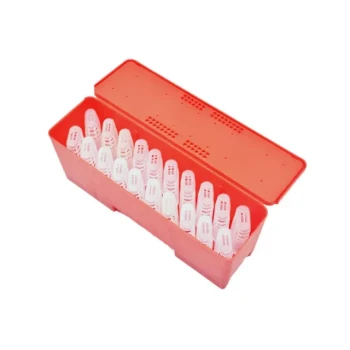
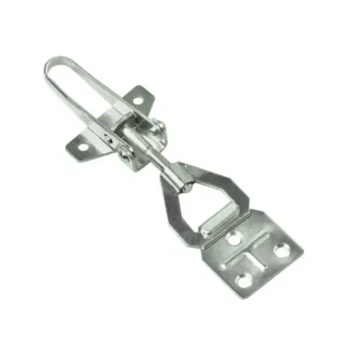
Professional bee transport and placement equipment serve as the logistical backbone of the "honey source conveyor belt" in forestry beekeeping. By enabling the precise relocation of colonies to match the staggered flowering periods of trees like willow, maple, linden, and acacia, this equipment ensures a continuous supply of high-value nectar. This strategic mobility increases honey yields by over 37% and improves colony development levels by up to 10.2%.
Core Takeaway: Professional transport machinery transforms beekeeping from a static activity into an industrialized "conveyor belt" of production. For distributors and wholesalers, providing these high-performance tools is essential for clients who need to maximize nectar resource utilization while ensuring colony safety during rapid migratory cycles.
Synchronizing Logistics with Floral Phenology
Matching Staggered Forestry Blooms
Forestry beekeeping relies on a sequence of nectar flows from different tree species throughout the season. Professional transport equipment allows beekeepers to move hives seamlessly from early-blooming willow and maple to mid-season linden and acacia.
This creates a "conveyor belt" effect where bees are always stationed at the peak of a nectar flow. Without specialized machinery, the window of opportunity for these high-value honey sources is often lost due to slow manual relocation.
Maintaining the Effective Foraging Radius
The efficiency of a colony is directly tied to its proximity to the nectar source. Professional placement tools ensure that hives are dropped exactly within the optimal foraging radius of specific forest stands.
By minimizing the distance bees must fly to reach blossoms, the equipment reduces bee fatigue and maximizes the number of foraging trips per day. This precision is what drives the significant 37% increase in total honey production.
Engineering for Colony Vitality and Industrial Scale
Advanced Ventilation and Climate Control
Long-distance transit, especially during the night or in extreme weather, poses a high risk of colony loss due to overheating. Specialized transport vehicles are equipped with integrated ventilation systems that maintain stable internal temperatures.
This hardware foundation is critical for moving large-scale operations across different climate zones. It prevents the "meltdown" of wax combs and ensures that bees arrive at the new forest site ready to forage immediately.
Mechanical Stability and Shock Absorption
Mechanical shocks during transit can cause physical damage to the hive structure and stress the queen, potentially halting brood production. Professional equipment utilizes shock-absorbing structures and secure fixation systems to mitigate these risks.
By ensuring colonies remain stable during transit, beekeepers can engage in long-distance migration without fearing a dip in colony development. This stability is a key factor in the reported 2.6% to 10.2% improvement in colony health metrics.
Mechanized Loading and Rapid Deployment
The transition from fixed-area production to an industrialized model requires speed. Mechanized loading and unloading equipment reduces the duration of the transport cycle, allowing for "ultra-fast delivery" of bees to the next floral source.
This efficiency allows commercial beekeepers to capitalize on short, intense nectar flows that would be impossible to harvest using traditional, labor-intensive methods. It also enables a quick transition from forest honey production to orchard pollination services.
Understanding the Trade-offs and Challenges
Complexity and Maintenance Requirements
While professional equipment significantly boosts yield, it introduces a higher level of mechanical complexity. Hydraulics, ventilation fans, and specialized sensors require regular maintenance and technical expertise to keep the "conveyor belt" running smoothly.
Capital Investment vs. Operational Scale
The initial cost of high-end transport and placement machinery can be a barrier for smaller operations. However, for industrial-scale beekeeping, the return on investment is realized through the massive increase in honey volume and the dual-income stream of pollination services.
Risk of Pathogen Spread
Increased mobility across various forest regions can facilitate the spread of bee diseases if biosecurity protocols are not strictly followed. Professional operators must pair their advanced hardware with rigorous sanitation and hive monitoring practices to protect the wider ecosystem.
Selecting the Right Equipment for Your Portfolio
As a distributor or B2B reseller, your goal is to provide a full-spectrum portfolio that meets the diverse needs of commercial honey producers and pollination contractors.
- If your primary focus is high-yield honey production: Prioritize equipment with precision placement features and rapid deployment capabilities to maximize nectar flow windows.
- If your primary focus is long-distance migratory services: Invest in heavy-duty transport units with advanced climate control and shock-absorption systems to ensure zero-loss transit.
- If your primary focus is versatile pollination and forestry: Offer modular hive handling systems that allow for quick transitions between dense forest terrain and open agricultural plantations.
By providing professional-grade transport solutions, you empower your clients to master the "honey source conveyor belt" and achieve unprecedented levels of production efficiency.
Summary Table:
| Feature | Benefit to Beekeepers | Impact on Production |
|---|---|---|
| Precision Placement | Minimizes forage radius and bee fatigue | Increases honey yields by over 37% |
| Climate Control | Prevents overheating during transit | Ensures arrival with zero colony loss |
| Shock Absorption | Protects the queen and brood stability | Improves colony growth by up to 10.2% |
| Mechanized Loading | Enables rapid deployment across sites | Facilitates industrial-scale production |
Scale Your B2B Success with HONESTBEE
As a distributor or wholesaler, staying ahead of the "honey source conveyor belt" requires a partner with deep industry expertise and a comprehensive product portfolio. HONESTBEE is your one-stop sourcing solution for the full spectrum of beekeeping tools, machinery, and consumables. From specialized hive-making and honey-filling machines to premium cultural merchandise, we provide the high-performance hardware your commercial clients demand to achieve 37% higher yields.
Why Partner with HONESTBEE?
- Maximize Profit Margins: Competitive wholesale pricing and OEM/ODM support.
- Rapid Fulfillment: Ultra-fast delivery and efficient order processing to meet seasonal demands.
- Expert Support: Deep industry knowledge and dedicated customer service for professional apiaries.
- Reliable Supply: A comprehensive inventory covering everything from hardware to industry consumables.
Ready to elevate your inventory with industry-leading equipment? Contact us today to discuss wholesale opportunities and let's grow your apiary supply business together!
References
- Serhii Razanov, Halyna Hytsol. EVALUATION OF THE FOREST NECTAR-POLLINIFEROUS TREES AND EFFICIENCY OF THEIR USAGE IN THE NECTAR-BEARING LINE OF BEES IN THE CONDITIONS OF VINNYTSІA REGION. DOI: 10.37128/2707-5826-2019-1-17
This article is also based on technical information from HonestBee Knowledge Base .
Related Products
- Plastic Transporting Bee Packages and Nuc Boxes for Beekeeping
- Professional Queen Bee Introduction and Transport Cage
- JZBZ Style Professional Battery Box with 20 Shipping Cages
- Durable Plastic Interlocking Hive Connector for Beekeeping
- High-Efficiency Pneumatic Bee Hive Making Machine for Rapid Box Assembly
People Also Ask
- What role do bee package boxes play in the commercial transport and expansion of honeybee colonies? - Logistic Essentials
- What are beekeeping boxes called? A Guide to Hive Bodies and Box Types
- How do standardized bee packages serve as a recovery mechanism for commercial beekeeping? Ensure Business Continuity
- What is the commercial value of using standardized bee packages? Drive Scalability in Large-Scale Apiaries
- Why is the timely introduction of high-quality bee packages critical? Save Your Apiary from Asian Hornet Invasions