Professional beehive smokers function by generating a controlled stream of cool smoke that fundamentally alters the colony's defensive behavior. This tool works by interrupting the bees' chemical communication lines and triggering a survival instinct that distracts them, allowing for safe hive maintenance without aggression.
The smoker serves as a biological dampener rather than a physical restraint. Its primary value lies in creating a temporary "truce" by masking alarm signals and redirecting the colony's focus toward food consumption, ensuring safety for both the operator and the bees.
The Biological Mechanisms of Smoke
Masking Alarm Pheromones
The primary function of the smoke is to disrupt chemical communication. When a hive is disturbed, guard bees release alarm pheromones to signal a threat and recruit other bees for defense.
The cool smoke effectively masks these pheromones. Because the bees cannot smell the chemical signal effectively, the chain reaction of aggression is broken before it can escalate into a mass attack.
Inducing the Feeding Response
Beyond masking signals, smoke triggers a primal survival instinct. When bees detect smoke, they interpret it as a potential forest fire, prompting them to gorge on honey in preparation for potential abandonment of the hive.
This consumption of honey makes the bees physically lethargic and significantly more docile. A bee engorged with honey is less physically capable of stinging and is distracted from defending the nest.
The Mechanical Operation
Controlled Combustion
The device utilizes a combustion chamber to produce cool smoke, which is critical for the safety of the colony. Hot smoke or flames can singe wings and kill bees, leading to increased stress rather than calm.
Directional Airflow via Bellows
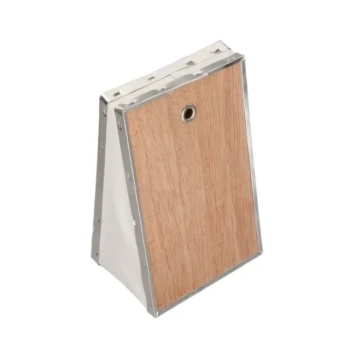
To deliver the smoke effectively, the smoker uses a bellows system. Pumping the bellows forces air into the combustion chamber, pushing the smoke out through a directional nozzle.
This allows the beekeeper to apply smoke precisely at the hive entrance or across the top bars. The result is a controlled operational window where inspections, queen rearing, or harvesting can occur without triggering the colony's natural defenses.
Operational Trade-offs and Precautions
The Risk of Over-Smoking
While smoke is a safety tool, using excessive amounts can be counterproductive. Too much smoke can agitate the bees rather than calm them, causing stress and potentially contaminating the taste of the honey during harvest.
Temperature Management
The distinction between cool and hot smoke is vital. If the fuel in the chamber burns too hot or the bellows are pumped too aggressively, the smoke may become scalding. This harms the bees and melts wax, immediately triggering the defensive response the smoker is meant to prevent.
Making the Right Choice for Your Goal
To utilize a smoker effectively, tailor your approach to the specific task at hand:
- If your primary focus is Routine Inspection: Use light puffs of cool smoke at the entrance to mask pheromones and check colony health with minimal disturbance.
- If your primary focus is Honey Harvesting: Apply smoke more deliberately to induce the feeding response, ensuring bees move away from the frames you intend to pull.
- If your primary focus is Queen Rearing: Use the minimum amount of smoke necessary to keep the colony calm without disrupting the delicate pheromones of the queen herself.
Mastering the smoker is about understanding bee psychology, using just enough interference to ensure safety without causing harm.
Summary Table:
| Mechanism | Action | Primary Benefit |
|---|---|---|
| Pheromone Masking | Blocks alarm chemical signals | Prevents colony-wide aggression |
| Feeding Induction | Triggers survival instinct to gorge honey | Makes bees docile and lethargic |
| Bellows Airflow | Provides directional cool smoke | Allows precise, non-harmful application |
| Temperature Control | Maintains low-combustion heat | Protects bee wings and honeycomb wax |
Elevate Your Apiary Operations with HONESTBEE
Are you looking to scale your commercial beekeeping business or expand your distribution network? HONESTBEE is your dedicated partner, providing high-quality, professional-grade beekeeping tools designed for durability and efficiency.
From advanced beehive smokers and specialized hardware to industrial honey-filling machines and hive-making equipment, we offer a comprehensive wholesale portfolio tailored for commercial apiaries and distributors. Whether you need essential industry consumables or honey-themed cultural merchandise to enhance your brand, we deliver the expertise and equipment you need to succeed.
Ready to streamline your honey production and hive maintenance?
Contact HONESTBEE Today for Wholesale Solutions
References
- Jesús Froylán Martínez-Puc, Basu Saikat-Kumar. Caracterización de la actividad apícola en los principales municipios productores de miel en Campeche, México. DOI: 10.36610/j.jsaas.2018.050100044
This article is also based on technical information from HonestBee Knowledge Base .
Related Products
- European Stainless Steel Bee Smoker for Honey Bee Hive
- Stainless Steel Bee Hive Smoker Beekeeping Smoker for Wholesale
- Stainless Steel Honey Bee Smoker Hive and Honeycomb Smoker for Beekeeping
- Electric Bee Smoker European Style Bee Hive Smoker for Beekeeping
- Stainless Steel Electric Beehive Smoker for Beekeeping and Bee Keeper Use
People Also Ask
- What type of bee smoker is recommended for a beginner? Top Picks for Easy Hive Management
- Why is a stainless steel bee smoker considered indispensable? Master Hive Management with Cool Smoke Technology
- What are bee smokers made out of? Choose the Right Material for Your Apiary
- What are the differences between stainless steel and galvanized steel bee smokers? Choose the Right Smoker for Your Apiary
- What is the technical necessity of using bee smokers? Essential Tools for Safe and Efficient Hive Management