Professional beekeeping machinery acts as the specific catalyst that transforms traditional subsistence farming into a competitive, industrial-grade economy. By adopting specialized tools, hive-making machines, and honey-filling equipment, rural communities can standardize their operations to meet rigorous market demands. This infrastructure allows local producers to convert indigenous apiculture skills into a scalable business model, ensuring their products meet the quality standards required for the modern ecological honey market.
The Core Insight Industrial-grade equipment does more than increase speed; it creates the "standardization" necessary for global trade. By replacing variable manual processes with precise mechanical operations, rural communities can guarantee product consistency and hygiene, unlocking access to higher-value markets that were previously out of reach.
Transforming Production Capabilities
Moving to Industrial Standardization
The primary barrier for rural beekeepers is often the inconsistency of manual production. Professional machinery bridges this gap by introducing industrial-grade processing and collection methods. This ensures that the honey produced meets strict purity and quality standards, allowing communities to transition from local selling to broader commercial participation.
Scaling Colony Management
High-precision hardware and specialized tools significantly reduce the costs associated with large-scale bee colony breeding. By replacing manual labor with mechanical operations, beekeepers can manage larger numbers of colonies efficiently. This ensures a sufficient supply and turnover of bee colonies, which is the foundation of a stable agricultural enterprise.
The Role of Specific Machinery
Hive-Making Machines and Infrastructure
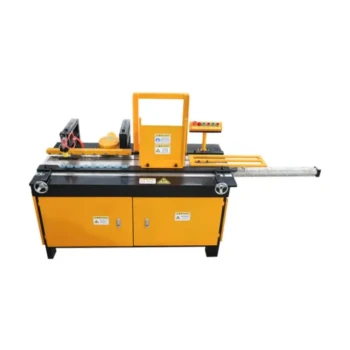
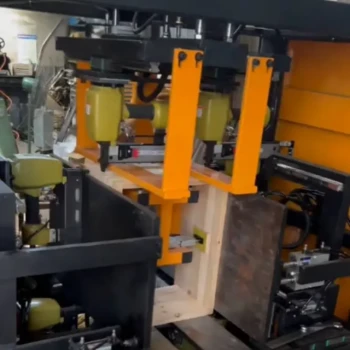
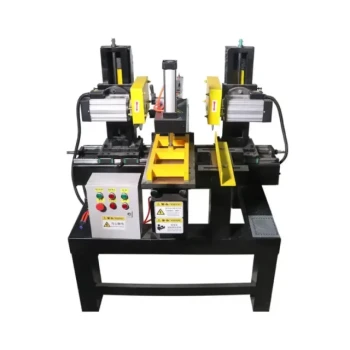
Industrial-grade hive manufacturing machines produce components with precise, consistent specifications. This standardization ensures that all hive parts are interchangeable, which lowers the long-term cost of infrastructure and simplifies maintenance. Furthermore, these machines allow for the rapid production of species-appropriate artificial nesting boxes, facilitating scientific colony splitting and standardized management.
Honey-Filling and Processing
To compete commercially, honey must be pristine. Industrial-grade honey-filling machinery utilizes automated and sterile processing workflows to ensure purity from extraction to packaging. Because efficient post-processing significantly increases the added value of the final product, this machinery directly incentivizes further commercial investment in the community.
Ecological and Economic Synergy
Transitioning from Hunting to Management
Advanced hive-making equipment enables communities to shift from wild honey hunting to regulated beekeeping. By providing standardized artificial homes for species like stingless bees, communities no longer need to fell natural timber to harvest wild hives. This protects natural habitats while securing a more reliable, renewable economic source.
Supporting Agriculture through Pollination
A mechanized beekeeping industry provides the biological foundation for broader agricultural success. Reliable equipment ensures stable pollinator populations, which creates a positive feedback loop: healthy bees support local agriculture (pollination), and thriving agriculture supports the local economy. This makes ecological compensation mechanisms, such as bee-facilitated landscaping, economically viable.
Understanding the Trade-offs
The Requirement for Specialized Training
Hardware alone is insufficient; it requires "software" in the form of human skill. Without professional training on standardized operating procedures, advanced machinery can lead to resource waste and improper handling. The economic benefits of mechanization are only realized when beekeepers are adequately trained to maximize the hardware's production performance.
Innovation vs. Tradition
While mechanization drives efficiency, it represents a shift away from traditional methods. Communities must balance the adoption of new technologies with their existing knowledge base. Innovation in this sector is often driven by beekeepers identifying specific challenges, meaning the most effective solutions are those that solve practical problems rather than simply adding technology for its own sake.
Making the Right Choice for Your Goal
To leverage these tools effectively, consider your primary objective:
- If your primary focus is Market Access: Prioritize honey-filling and processing machinery to ensure your product meets sterile, industrial-grade quality standards.
- If your primary focus is Scalability: Invest in hive-making machinery to produce interchangeable parts that lower infrastructure costs and facilitate rapid colony growth.
- If your primary focus is Sustainability: Utilize artificial nesting production tools to transition the community from wild foraging to managed, eco-friendly beekeeping.
True economic development in apiculture occurs when precise machinery meets skilled management to create a consistent, high-value product.
Summary Table:
| Equipment Type | Primary Economic Function | Key Impact on Development |
|---|---|---|
| Hive-Making Machines | Infrastructure Standardization | Lowers long-term costs & enables rapid colony scaling |
| Honey-Filling Machinery | Industrial Processing | Ensures sterile quality standards & increases product value |
| Professional Tools | Operational Efficiency | Reduces labor costs & allows for large-scale management |
| Nesting Production Tools | Sustainable Management | Protects natural habitats while securing renewable income |
Scale Your Apiary Operations with HONESTBEE
At HONESTBEE, we specialize in empowering commercial apiaries and distributors with the industrial-grade infrastructure needed to dominate the honey market. From high-precision hive-making machines to automated honey-filling systems and a full spectrum of specialized beekeeping tools, we provide the hardware that turns traditional beekeeping into a high-yield enterprise.
Our value to you:
- Wholesale Excellence: Comprehensive supply of tools, machinery, and essential industry consumables.
- Industrial Precision: Standardize your production to meet rigorous global trade requirements.
- End-to-End Solutions: From hardware for hive manufacturing to honey-themed cultural merchandise.
Ready to transform your production capabilities and maximize your community's economic potential? Contact us today to discuss your wholesale requirements!
References
- Галина Карпова, N.V. Medyanik. Ecological and economic transformations of natural management systems of agrarian type (based on materials from the South of Russia). DOI: 10.1051/e3sconf/202128508003
This article is also based on technical information from HonestBee Knowledge Base .
Related Products
- High-Efficiency Pneumatic Bee Hive Making Machine for Rapid Box Assembly
- Mini Desktop Bee Hive Frame Forming Making Machine
- Beehive Handle and Frame Rest Cutting Machine: Your Specialized Hive Machine
- Automatic High-Speed Bee Hive Box Stapling Machine
- Beehive Machine Double End Saw for Precision Hive Component Manufacturing
People Also Ask
- How does the introduction of professional beehive-making machinery benefit sustainable beekeeping? Scale Your Apiary
- Why is specialized beehive-making machinery critical for low-defense breeding? Enhance Selection with Precision Tools
- How does the introduction of specialized beehive making machinery contribute to increasing the scale of regional beekeeping industries?
- What is the importance of specialized beehive making machinery in a circular bio-economy? Build Local Sustainability
- Why is specialized beehive-making machinery essential? Scale Your Apiary with Precision Industrial Standards