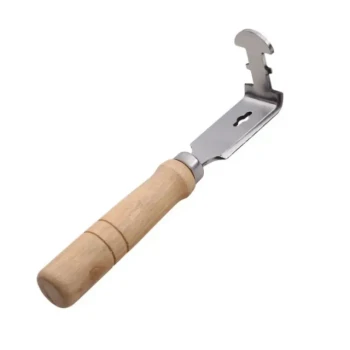
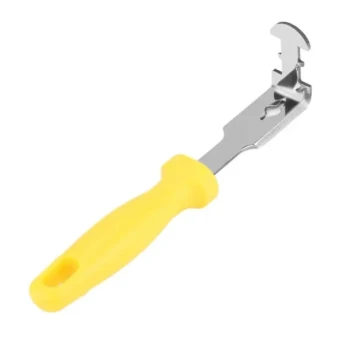
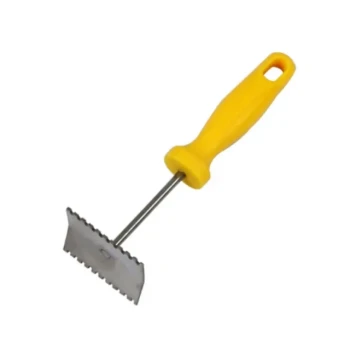
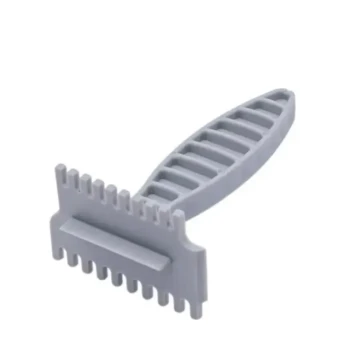
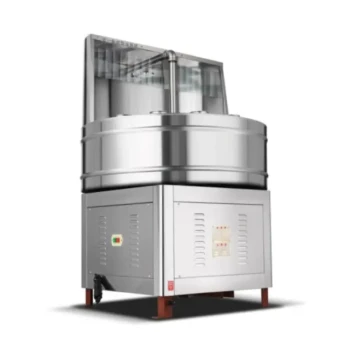
Mechanical vegetation removal is the primary defense strategy. Professional machinery safeguards apiaries by systematically clearing flammable brush to create standardized firebreaks. This process establishes a physical safety barrier that prevents external fires, such as those caused by pasture burning, from reaching and destroying the hives.
By utilizing specialized tools to strip away combustible vegetation, beekeepers create essential buffer zones. These firebreaks do not just protect the physical assets of the apiary; they ensure the continuity of the local ecosystem by preventing total hive loss.
The Mechanics of Firebreak Creation
Removing the Fuel Source
Fire requires a continuous path of fuel to spread. Professional machinery interrupts this path by physically removing flammable vegetation surrounding the apiary.
By stripping the ground down to mineral soil or non-combustible material, these tools create a zone where approaching flames are starved of fuel.
Standardization for Reliability
The use of specialized fire-protection tools allows for the creation of standardized firebreaks.
Unlike manual clearing, which can be inconsistent, professional machinery ensures the safety barrier creates a uniform perimeter. This standardization is critical for predicting how effective the barrier will be against an incoming fire front.
Strategic Asset Protection
Defending Against External Threats
The primary function of these tools is to mitigate risks arising from outside the apiary, specifically pasture burning and other external fires.
Without a cleared perimeter, an apiary is vulnerable to land management fires crossing property lines. Mechanical clearing isolates the hives, securing the beekeeping assets against these common agricultural hazards.
Preserving Ecosystem Stability
The protection provided by these tools extends beyond the wooden hive boxes.
By preventing hive destruction, these measures maintain ecosystem stability. Ensuring the survival of the bee colonies guarantees they can continue their role as pollinators in the surrounding environment.
Understanding the Limitations
Risk Reduction, Not Elimination
It is important to recognize that mechanical clearing reduces the risk of destruction but does not eliminate it entirely.
While a firebreak creates a formidable physical barrier, it functions as a passive defense. It relies on the gap being wide enough to prevent radiant heat or flying embers from bridging the distance to the hives.
Implementing a Defensive Strategy
To effectively protect your apiary using these principles, align your approach with your specific goals:
- If your primary focus is Asset Security: Prioritize the use of machinery to create wide, standardized firebreaks that can withstand the intensity of nearby pasture burning.
- If your primary focus is Environmental Stewardship: Recognize that mechanical clearing is a necessary intervention to preserve the long-term stability of the local pollinator ecosystem.
Proactive mechanical clearing transforms a vulnerability into a defensible perimeter, ensuring the longevity of your apiary operations.
Summary Table:
| Protection Method | Mechanism of Action | Primary Benefit |
|---|---|---|
| Mechanical Clearing | Physically removes flammable brush down to mineral soil. | Eliminates the fuel path for approaching fires. |
| Standardized Firebreaks | Creates a uniform, predictable perimeter using machinery. | Ensures reliable protection compared to manual methods. |
| Buffer Zones | Establishes a physical gap between hives and external threats. | Isolates apiary assets from pasture burning hazards. |
| Pollinator Preservation | Prevents total hive loss during agricultural fires. | Maintains ecosystem stability and colony continuity. |
Strengthen Your Apiary’s Defense with HONESTBEE
Protecting your commercial operation requires more than just high-quality hives; it demands the right infrastructure and professional tools to mitigate environmental risks like fire.
HONESTBEE supports commercial apiaries and distributors with a comprehensive wholesale range, including:
- Advanced Beekeeping Machinery: From hive-making to honey-filling systems.
- Durable Hardware & Tools: Engineered for the rigors of large-scale beekeeping.
- Essential Consumables: Keeping your operations running smoothly year-round.
Don't leave your investment to chance. Contact us today to discover how our professional-grade equipment and machinery can enhance the safety and efficiency of your beekeeping business.
References
- William Shu Neba, Tangwe Tanga Pius. Mirroring the Ecological Impact of Apiculture as an Indigenous Activity in Mayo Darle, Cameroon. DOI: 10.55227/ijhess.v4i6.1481
This article is also based on technical information from HonestBee Knowledge Base .
Related Products
- Wooden Bee Brush with Double-Row Horsehair Bristles
- Double Row Artificial Fiber Bee Brush for Beekeeping
- Classic Wooden Bee Brush with Double-Row Boar Bristles
- Plastic Handle Single Row Artificial Fiber Bee Brush
- Professional Stainless Steel Frame Cleaner with Ergonomic Wood Handle
People Also Ask
- Why is a bee brush necessary when extracting honeybee hive frames that contain larvae? Protect Your Brood and Colony
- What is the correct way to use a bee brush and what actions should be avoided? Master Gentle Hive Management
- What are the specific functions of the bee brush and the sealed sampling bottle? Optimize Your Parasite Sampling.
- What is a bee brush and what is it used for? Master Precision Bee Removal with Gentle Sweeping Techniques
- What is a bee brush used for in beekeeping? Essential Tool for Safe Hive Inspections & Honey Harvesting