Professional-grade honey processing and storage systems safeguard quality by establishing a strictly controlled microenvironment that stabilizes the product’s bioactive chemistry. Through the integration of precision heat treatment, advanced filtration, and chemically inert storage, these systems actively inhibit fermentation and manage crystallization to ensure long-term stability.
Core Takeaway: By rigorously regulating temperature and humidity, professional equipment prevents the yeast activity that leads to spoilage. Simultaneously, specialized filtration and sealing technologies remove impurities and block moisture absorption, preserving the honey's natural sensory profile and commercial value during extended transport and storage.
Environmental Control and Chemical Stability
The primary threat to honey longevity is biological instability caused by environmental factors. Professional systems mitigate this by standardizing the atmosphere surrounding the product.
Inhibiting Yeast and Fermentation
Honey naturally contains yeast; if conditions are uncontrolled, this leads to fermentation and spoilage. Professional facilities maintain precise temperature and humidity levels to create an environment where yeast activity is chemically inhibited.
Managing the Crystallization Process
Temperature fluctuations often accelerate unwanted crystallization, which can affect texture and aesthetic appeal. By utilizing precision heat treatment, these systems dissolve crystal nuclei and maintain the honey in a stable liquid state suitable for bottling and consumer use.
Controlled Ripening and Dehydration
During the post-harvest phase, specialized equipment facilitates the dehydration and ripening of the honey. This ensures the water content is reduced to a level that naturally discourages bacterial growth, locking in the physicochemical properties required for high-grade standards.
Physical Processing and Contaminant Protection
Beyond atmospheric control, physical hardware plays a critical role in purifying the product and maintaining hygiene standards.
Precision Filtration
Filtration components are designed to remove physical impurities, such as wax or debris, without stripping the honey of its unique character. This equipment safeguards the natural aroma and bioactive components, ensuring the honey retains the specific flavor profile—such as that of monofloral litchi or eucalyptus varieties—that consumers value.
Sterile Automated Filling
Industrial-grade filling machinery operates under sterile conditions to prevent environmental contaminants from entering the final jar. These automated systems provide accurate dosage control and efficient sealing, which is essential for maintaining product consistency across large commercial batches.
Barrier Protection and Material Science
Honey is highly sensitive to its immediate physical container. Professional storage solutions address the chemical interaction between the product and its vessel.
Combating Hygroscopic Risks
Honey is hygroscopic, meaning it actively attracts and absorbs moisture from the air. High-quality storage tanks and containers feature superior sealing properties that create a barrier against ambient moisture, preventing the dilution that triggers fermentation.
Chemical Inertness and Odor Prevention
Food-grade containers used in professional systems are chemically inert. This stability prevents the honey from absorbing external odors or pollutants, ensuring the flavor profile remains pure from the production site to the end consumer.
Understanding the Trade-offs
While professional systems are essential for longevity, they require careful calibration to balance preservation with purity.
Standardization vs. Over-Processing
The goal of professional processing is to standardize quality for long-distance transportation and off-season sales. However, operators must balance heat treatment and filtration intensity; the objective is to stabilize the honey physically without degrading its natural enzymes or antioxidant activity.
Investment vs. Market Value
Implementing these systems represents a significant capital investment compared to raw storage methods. However, this cost is offset by the ability to secure higher market prices by guaranteeing a defect-free, shelf-stable product that meets the stringent requirements of industrial buyers and specialized wine producers.
Making the Right Choice for Your Goal
Selecting the right processing strategy depends on your distribution scale and target market.
- If your primary focus is Commercial Distribution: Prioritize automated filling and heat treatment systems to ensure consistent texture, sterility, and shelf stability for long-distance logistics.
- If your primary focus is Boutique/Monofloral Quality: Focus on inert storage and precision filtration to protect unique flavor profiles and aromas while preventing oxidation and odor absorption.
Professional systems act as a safeguard, transforming a volatile raw ingredient into a stable, high-value commodity without compromising its natural essence.
Summary Table:
| System Component | Primary Function | Preservation Benefit |
|---|---|---|
| Precision Heat Treatment | Dissolves crystal nuclei | Prevents unwanted crystallization & stabilizes liquid state |
| Advanced Filtration | Removes wax and debris | Retains natural aroma and prevents physical contamination |
| Dehydration Units | Reduces moisture content | Lowers water activity to inhibit yeast and fermentation |
| Automated Filling | Sterile, airtight sealing | Blocks hygroscopic moisture absorption and environmental pollutants |
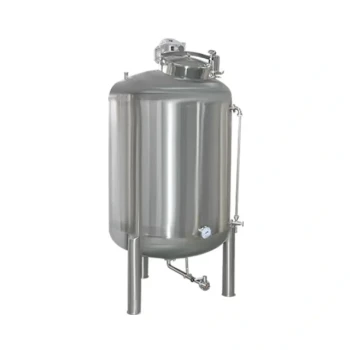
| Inert Storage Tanks | Chemical barrier protection | Prevents odor absorption and maintains flavor purity |
Elevate Your Honey Quality with HONESTBEE
To compete in the global market, commercial apiaries and distributors need more than just storage—they need precision engineering. HONESTBEE provides the full spectrum of professional-grade beekeeping tools and industrial machinery designed to safeguard your harvest's value.
Why partner with HONESTBEE?
- Comprehensive Wholesale Catalog: From hive-making machinery to high-speed honey-filling lines.
- Quality Preservation: Our equipment is engineered to maintain bioactive chemistry and prevent fermentation.
- Scalable Solutions: We cater to large-scale commercial operations and specialized distributors worldwide.
Whether you are looking for specialized hardware or essential industry consumables, our team is ready to support your growth. Contact us today to optimize your honey processing line!
References
- Shairra SA. The Rapid Disappearance of the National Bee in Egypt is a Phenomenon Whose Causes Could be Solved. DOI: 10.23880/izab-16000331
This article is also based on technical information from HonestBee Knowledge Base .
Related Products
- Professional Honey Storage Tank with Agitation System
- Stainless Steel Honey Storage and Settling Tank with Double Strainer
- Stainless Steel Honey Storage Tank with Lid for Honey
- Heavy Duty Stainless Steel Honey Processing Machine Decrystallizing Tank
- 0.5T Capacity Honey Dehumidifier Dryer with Vacuum Heating and Thickening Filtering Machine
People Also Ask
- What economic role do honey storage tanks play? Boost Your Revenue Through Strategic Inventory Management
- What roles do industrial honey storage tanks and filtration meshes play in processing? Ensure Purity & Consistency
- What is the purpose of a honey storage tank? Streamline Your Honey Processing for Quality & Efficiency
- What are honey storage tanks used for? Essential Features for Quality Preservation and Profit
- How do large honey storage tanks and gravity fall filling systems improve honey packaging efficiency and safety?