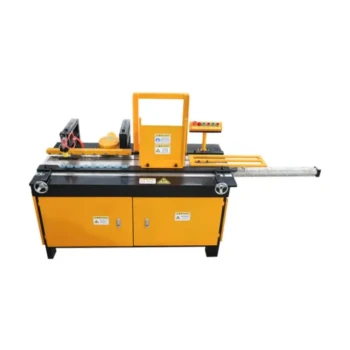
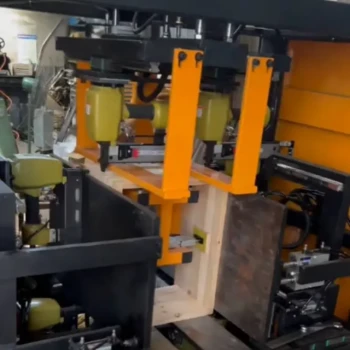
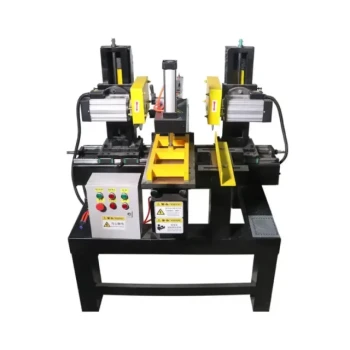
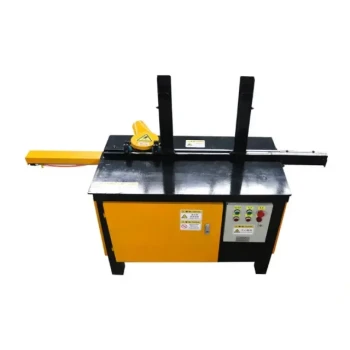
Professional hive-making machinery fundamentally transforms apiculture by replacing variable craftsmanship with high-precision engineering to meet the rigorous demands of industrial production. While traditional handmade hives often suffer from poor sealing and inconsistent dimensions, industrial machinery produces components with strict uniformity. This standardization is not merely a convenience; it is the absolute hardware prerequisite for achieving interchangeable frames, enabling migratory beekeeping, and facilitating mechanized honey extraction.
The transition to industrial beekeeping relies on the shift from unique fit to universal compatibility. Standardized machinery provides the essential infrastructure that allows equipment to be automated, frames to be swapped seamlessly between hives, and colonies to be managed efficiently at a commercial scale.
Solving Physical Constraints Through Precision
Eliminating Dimensional Inconsistency
In traditional beekeeping, minor variations in handmade hives can cause significant operational headaches. Industrial-grade machinery resolves this by producing components with high precision.
This exactness is critical for maintaining the specific "bee space" required for colony health. It ensures that every part fits together perfectly, eliminating the friction and gaps associated with manual construction.
Enhancing Climate Resistance and Sealing
Imprecise construction often leads to poor sealing, which leaves colonies vulnerable to drafts and pests. Machine-manufactured hives offer superior sealing properties due to their uniform specifications.
This tight construction is instrumental in helping colonies survive harsh winters and resist extreme weather conditions. By optimizing the living environment and ventilation, these hives significantly improve colony survival rates compared to less precise alternatives.
Enabling Industrial Scale and Efficiency
The Foundation of Interchangeability
The most significant contribution of standardized machinery is the seamless interchangeability of frames and boxes. In a commercial operation managing millions of colonies, operators must be able to move a frame from one hive to another without modification.
This universality reduces maintenance difficulties and equipment replacement costs. It ensures that hardware can be utilized across different production sites or apiaries without compatibility issues.
Facilitating Mechanization and Automation
Modern industrial beekeeping moves beyond manual labor to automated processing. Standardized hives provide the necessary physical interface for integrating automated honey-filling machines and honey extractors.
Without precise dimensions, automated machinery cannot grip, uncap, or spin frames effectively. This hardware consistency creates the infrastructure required for high-efficiency, non-destructive harvesting.
Supporting Migratory Operations
Large-scale operations often require moving hives to follow bloom cycles (migratory beekeeping). The durability and precise fit of machine-made hives ensure they remain stable during transport.
Furthermore, uniform specifications allow for efficient stacking and palletizing. This capability transforms logistics, making the movement of thousands of hives feasible and safe.
Understanding the Operational Trade-offs
The Necessity of Uniform Management
Adopting standardized machinery dictates a shift in management style. It facilitates the implementation of uniform management practices, but it also requires strict adherence to those standards.
Using non-standardized tools or mixing manual equipment with industrial components can break the workflow. Operational efficiency relies on the total commitment to the standardized system.
Equipment Dependency
Transitioning to this model requires a shift from labor-intensive maintenance to capital-intensive equipment. The system depends on the durability and consistency of the manufacturing process.
While this reduces the labor required for hive repair, it increases the reliance on the supply chain for specific, standardized parts.
Making the Right Choice for Your Goal
To determine how standardized components fit your operation, consider your specific production targets:
- If your primary focus is Scalability: Standardized interchangeability is critical to managing high volumes of colonies across multiple sites with minimal labor.
- If your primary focus is Automation: Precise dimensions provide the mandatory physical interface required for mechanized extraction and filling lines.
- If your primary focus is Colony Health: Superior sealing and ventilation control are essential for ensuring winter survival and minimizing environmental stress.
Standardized machinery serves as the material foundation that allows apiculture to evolve from a traditional collection practice into a modern, professional enterprise.
Summary Table:
| Industrial Constraint | Machine-Made Solution | Operational Benefit |
|---|---|---|
| Dimensional Inconsistency | High-precision engineering | Ensures universal bee space and part interchangeability |
| Poor Insulation/Sealing | Uniform specifications | Enhanced climate resistance and higher colony survival |
| Manual Labor Intensity | Standardized physical interface | Enables the use of automated extraction and filling lines |
| Logistics Complexity | Stackable & durable design | Facilitates safe and efficient migratory beekeeping |
| High Maintenance Costs | Universal compatibility | Reduces replacement friction and simplifies fleet management |
Transform Your Apiary into a High-Efficiency Enterprise
Transitioning to industrial-scale beekeeping requires more than just bees—it requires the precision of HONESTBEE. As a premier partner for commercial apiaries and distributors, we provide the hardware foundation necessary for global competitiveness.
Our comprehensive wholesale range includes:
- Advanced Machinery: Hive-making equipment and automated honey-filling lines.
- Standardized Hardware: Professional-grade beekeeping tools and equipment built for durability.
- Essential Consumables: A full spectrum of industry-required supplies and cultural merchandise.
Whether you are looking to automate your honey processing or standardize your hive components for migratory operations, HONESTBEE delivers the quality and consistency your business demands.
Contact HONESTBEE Today to Discuss Your Wholesale Needs
References
- Dinku Negash, Bereket Mengeste. ASSESSMENT OF HONEY PRODUCTION SYSTEM, CONSTRAINTS AND OPPORTUNITIES IN SELECTED KEBELES OF HAWASSA CITY ADMINISTRATION, ETHIOPIA. DOI: 10.5281/zenodo.3379981
This article is also based on technical information from HonestBee Knowledge Base .
Related Products
- High-Efficiency Pneumatic Bee Hive Making Machine for Rapid Box Assembly
- Beehive Handle and Frame Rest Cutting Machine: Your Specialized Hive Machine
- Mini Desktop Bee Hive Frame Forming Making Machine
- Automatic High-Speed Bee Hive Box Stapling Machine
- Beehive Machine Double End Saw for Precision Hive Component Manufacturing
People Also Ask
- How does the introduction of professional beehive-making machinery benefit sustainable beekeeping? Scale Your Apiary
- Why is specialized beehive-making machinery critical for low-defense breeding? Enhance Selection with Precision Tools
- How does the introduction of specialized beehive making machinery contribute to increasing the scale of regional beekeeping industries?
- What is the importance of specialized beehive making machinery in a circular bio-economy? Build Local Sustainability
- Why is specialized beehive-making machinery essential? Scale Your Apiary with Precision Industrial Standards