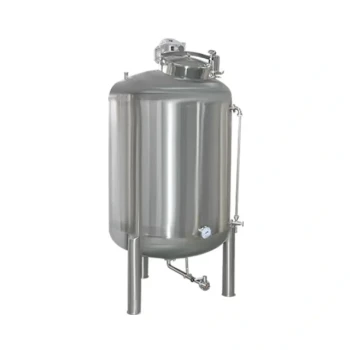
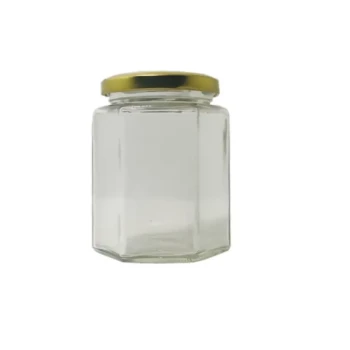
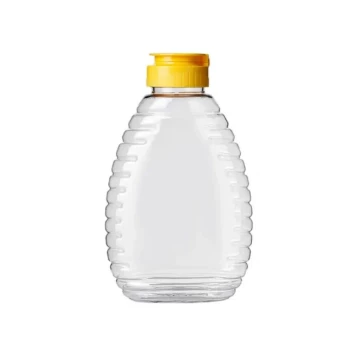
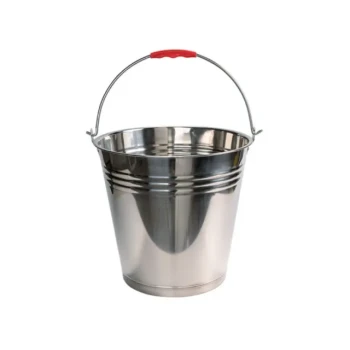
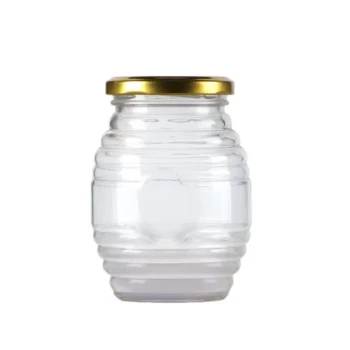
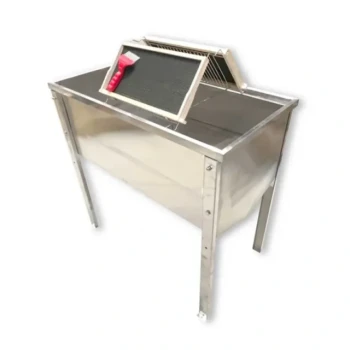
Professional honey filtration and storage systems ensure product quality through a dual mechanism of physical purification and environmental isolation. By removing solid impurities and air bubbles while strictly controlling moisture exposure, these systems prevent fermentation and spoilage. This rigorous process stabilizes the honey’s sensory and chemical properties, ensuring it remains shelf-stable and marketable.
Core Takeaway The primary function of professional equipment is to counteract honey's hygroscopic nature—its tendency to absorb moisture from the air. By combining fine filtration with airtight, chemically inert storage, producers ensure the product retains its enzymatic value, clarity, and safety from the hive to the consumer.
The Role of Filtration in Physical Purity
Removing Solid Impurities
Raw honey extraction inevitably introduces contaminants. Professional filtration equipment is designed to intercept and remove beeswax fragments, bee remains, and larval fragments.
Eliminating Air Bubbles
Beyond solid debris, the filtration process—often utilizing settling tanks—removes trapped air bubbles. Air pockets can negatively affect the honey's texture and visual consistency.
Enhancing Visual Clarity
Through physical clarification, these systems ensure the final product is clear and transparent. This directly impacts the product's grading evaluation, meeting the sensory expectations of consumers for high-quality, pure honey.
Preserving Biological Integrity
Advanced systems use centrifugal force or gravity sedimentation principles to clean the honey. These methods are specifically calibrated to remove debris without compromising the honey's biological activity or unique flavor profile.
Storage Solutions and Chemical Stability
Preventing Moisture Absorption
Honey is highly hygroscopic, meaning it actively attracts moisture from the atmosphere. Professional storage tanks utilize airtight seals to isolate the honey from humid air.
Stopping Fermentation
Controlling moisture is the single most critical factor in preventing spoilage. If honey absorbs too much water, it becomes susceptible to yeast fermentation, which ruins the product.
Utilizing Chemically Inert Materials
Storage containers are manufactured from food-grade, chemically inert materials. This prevents the container itself from imparting foreign odors or flavors into the honey.
Stabilizing Enzyme Values
By maintaining a controlled environment, these containers ensure that the honey's natural chemical properties—specifically its enzyme values—remain stable. This preservation is vital for maintaining the honey's medicinal value and market status.
Common Pitfalls to Avoid
The Risk of Inadequate Sealing
Even high-quality filtration is wasted if the storage seal is compromised. A failure in the airtight seal during transport or storage allows moisture ingress, leading inevitably to fermentation and lost inventory.
Overlooking Material Quality
Using non-food-grade containers is a critical error. Honey can absorb external odors and chemicals easily; without a chemically inert barrier, the flavor profile and safety of the honey can be permanently contaminated during transport.
Making the Right Choice for Your Goal
To maximize the value of your honey production, select equipment based on your specific market objectives:
- If your primary focus is large-scale wholesale: Prioritize high-throughput filtration and strictly standardized, airtight containers to ensure consistent grading and long shelf life.
- If your primary focus is artisanal or single-origin sales: Utilize gravity sedimentation systems to maximize flavor retention and use transparent, inert packaging to demonstrate natural purity to the consumer.
Investing in professional filtration and airtight storage is not just about hygiene; it is the only way to arrest the natural degradation of honey and secure its commercial value.
Summary Table:
| Feature | Function | Impact on Honey Quality |
|---|---|---|
| Fine Filtration | Removes wax, debris, and air bubbles | Enhances clarity and visual grading |
| Airtight Sealing | Isolates honey from atmospheric humidity | Prevents moisture absorption and fermentation |
| Food-Grade Materials | Chemically inert storage surfaces | Preserves natural flavor and enzyme integrity |
| Settling/Sedimentation | Natural clarification process | Maintains biological activity and floral aroma |
| Moisture Control | Arrests hygroscopic activity | Extends shelf life and stabilizes chemical properties |
Maximize Your Harvest Value with HONESTBEE
At HONESTBEE, we understand that professional beekeeping requires more than just passion—it requires precision. We provide commercial apiaries and distributors with a comprehensive range of wholesale beekeeping tools, honey-filling machinery, and specialized filtration systems designed to keep your honey shelf-stable and marketable.
From industrial-grade airtight storage to hive-making machines and honey-themed cultural merchandise, our portfolio covers every facet of the beekeeping industry. Let us help you stabilize your enzyme values and prevent fermentation with our industry-leading equipment.
Ready to scale your production? Contact our experts today to find the perfect machinery and consumables for your business.
References
- Yusuf Çelik. Konya İlinde Aricilik İşletmelerinin Yapisal Özellikleri. DOI: 10.31467/uluaricilik.376715
This article is also based on technical information from HonestBee Knowledge Base .
Related Products
- Stainless Steel Honey Storage and Settling Tank with Double Strainer
- Stainless Steel Honey Storage Tank with Lid for Honey
- Hexagonal Glass Honey Jar with Wooden Lid Integrated Dipper Elegant Functional Storage
- Professional Honey Storage Tank with Agitation System
- Hexagonal Glass Honey Jars with Metal Lug Caps Elegant Versatile Packaging
People Also Ask
- What economic role do honey storage tanks play? Boost Your Revenue Through Strategic Inventory Management
- What roles do industrial honey storage tanks and filtration meshes play in processing? Ensure Purity & Consistency
- What is the purpose of a honey storage tank? Streamline Your Honey Processing for Quality & Efficiency
- What role do settling tanks play in honey production? Achieve Pure, High-Clarity Honey Naturally
- Why are large settling tanks used in the honey clarification process? Achieve Natural Purity & Batch Consistency