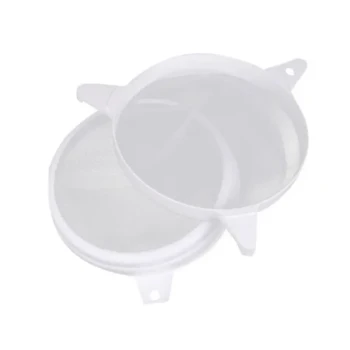
Professional honey harvesting and filtration systems utilize precise physical separation methods to ensure purity. By employing centrifugal force or gravity sedimentation, these systems strip away wax debris and impurities while preserving the honey's biological activity. This ensures the clear, distinct flavor profile required for high-end tasting experiences.
Core Takeaway: Professional systems bridge the gap between raw harvesting and the consumer palate by mechanically removing physical contaminants like beeswax and larvae. This achieves visual clarity and shelf stability without altering the chemical indicators or destroying the unique single-origin flavor profile essential for apitourism.
Preserving the Sensory Profile
The Mechanics of Gentle Separation
To prepare honey for tasting, the primary goal is removing solids without damaging the liquid. Professional systems rely on centrifugal force or gravity sedimentation principles.
These physical processes separate lighter elements, such as wax, from the heavier liquid honey. By avoiding aggressive thermal processing, the system protects the volatile aromatic compounds that give honey its distinct taste.
Protecting Biological Activity
A critical aspect of high-quality honey is its biological activity, including enzymes and natural nutrients.
Advanced filtration removes debris but leaves these delicate chemical structures intact. This retention is vital for tasting sessions, where the "living" nature of the honey is often a key selling point.
Ensuring Single-Origin Integrity
For apitourism, the taster must be able to detect the specific floral source of the honey.
Filtration systems ensure that wax particles and larval residues are removed so they do not mask or alter the flavor. This allows the unique, single-origin profile to shine through, directly demonstrating the product's natural purity to the consumer.
Achieving Visual Clarity and Consistency
Removal of Physical Impurities
Raw comb honey inherently contains beeswax, propolis, and other hive debris.
Mechanical pressing and separation technologies efficiently screen out these elements. This results in a product that meets commercial standards for high clarity, which is the first indicator of quality for a consumer during a tasting.
Enhancing Shelf Life
Impurities in honey can act as nucleation sites for crystallization or substrates for fermentation.
By effectively removing these suspended particles, professional filtration significantly extends the shelf life of the product. This ensures that the honey remains stable and visually appealing long after the initial harvesting and tasting session.
Upstream Quality Control
Clean Collection Protocols
Quality maintenance begins before filtration. Professional honey collection buckets act as the primary defense against contamination.
Using dedicated, clean vessels for transporting honey from the apiary to the processing site prevents the introduction of external impurities. This preserves the physicochemical properties of the honey before it ever reaches the filtration stage.
Minimizing Stress During Harvest
The harvesting method itself impacts final quality. Professional tools, such as smoke generators and protective clothing, allow for a calm harvest.
These tools minimize bee stress, which can release alarm pheromones that might taint the honey's flavor. Furthermore, specialized hive tools prevent physical contamination of the raw material during extraction.
Understanding the Trade-offs
Filtration vs. Character
While clarity is desirable, there is a balance to be struck. Over-filtration (often used in mass-market honey) can remove pollen grains that provide traceability and subtle flavor notes.
Professional systems designed for tasting activities prioritize physical cleaning over ultra-filtration. The goal is to remove the "bad" (wax, larvae) while keeping the "good" (nutrients, pollen trace) to maintain the product's premium status.
Equipment Complexity and Cost
Achieving high purity without heat damage requires sophisticated equipment.
Simple gravity straining is cheap but slow and less effective at scale. High-precision centrifugal systems offer consistency and speed but represent a significant investment for the producer, impacting the final cost of the honey.
Making the Right Choice for Your Goal
- If your primary focus is Apitourism and Tasting: Prioritize centrifugal or gravity systems that remove debris but explicitly retain biological activity to highlight the single-origin flavor.
- If your primary focus is Retail Export: Focus on pressure screening technologies that maximize visual clarity and consistency to meet strict international trade standards.
- If your primary focus is Operational Efficiency: Invest in modernized extraction hardware and specialized harvesting tools to minimize product loss and labor costs during peak seasons.
True quality in honey tasting comes from technology that cleans the product while remaining invisible to the palate.
Summary Table:
| System Type | Primary Mechanism | Key Benefit for Tasting | Best Use Case |
|---|---|---|---|
| Centrifugal | High-speed rotation | High clarity without heat damage | Commercial apiaries |
| Gravity | Natural sedimentation | Preserves 100% of pollen trace | Artisanal/Small-batch |
| Pressure | Mechanical screening | Exceptional visual consistency | Retail & Export |
| Collection | Clean vessels/Bucket | Prevents initial contamination | Field harvesting |
Elevate Your Honey Quality with HONESTBEE
At HONESTBEE, we empower commercial apiaries and distributors with the professional tools needed to deliver a premium sensory experience. From specialized honey-filling machines to advanced centrifugal extraction hardware, our comprehensive wholesale range is designed to preserve the biological activity and unique floral notes of your honey.
Whether you are scaling up for apitourism or expanding your wholesale distribution, our team provides the equipment, machinery, and honey-themed merchandise to set your brand apart. Let us help you achieve superior clarity and shelf stability while maintaining the integrity of your single-origin product.
Contact HONESTBEE Today to Upgrade Your Harvesting System
References
- Rodrigo Tovar Cabañas, Shany Arely Vázquez Espinosa. Potencial turístico y apiturismo en Nuevo León. DOI: 10.17979/rotur.2022.16.1.8657
This article is also based on technical information from HonestBee Knowledge Base .
Related Products
- Honey Concentrating and Filtering Dehumidifier Machine 2T Capacity for Honey
- Electric Double Wall Honey Filtering Machine Purifier Equipment for Honey Processing Plant
- Professional Stainless Steel Honey Filtering Machine with Water Bath Heating for Beekeeping
- Professional Honey Filter with Tripod Support Stand
- Automatic Honey Filling and Filtering Machine for Beekeeping Bottle Filling
People Also Ask
- What heating methods can be used with the honey concentrating equipment? Electric vs. Boiler Options
- How does honey filtration and processing machinery transform raw honey? Scale Your Production for Global Markets
- What maintenance should be performed when the honey concentrating equipment is not in use? Key Safety & Care Tips
- What are the main functions of the honey concentrating equipment? Essential Machinery for Commercial Quality
- What electrical safety precaution is necessary when operating the honey concentrating equipment? Essential Grounding Tips