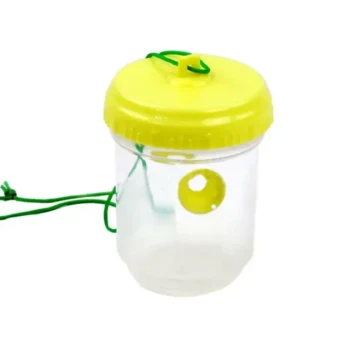
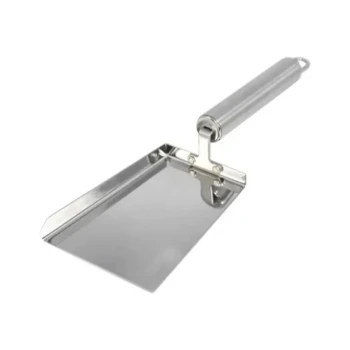
Professional pollen traps and propolis collectors act as a proactive filter for processing efficiency. By ensuring the initial harvest is of high purity, these tools drastically reduce the workload required in downstream manufacturing. They function by minimizing contaminants at the source, effectively eliminating the need for intensive purification and aggressive refining stages later in the production cycle.
By delivering high-quality primary materials, these specialized tools reduce the need for intensive purification and impurity removal during the later refining stages of bee product manufacturing.
The Mechanics of High-Purity Collection
To understand the efficiency gains, one must look at how these tools standardize the harvesting process compared to traditional methods.
Mimicking Natural Instincts for Propolis
Professional propolis collectors, often made of plastic grids, utilize the honey bee's natural instinct to seal gaps. The specific width of these grid openings induces workers to deposit pure resin to close the "cracks."
Because the bees deposit resin directly onto a clean plastic matrix, the harvest contains significantly fewer mechanical impurities. Traditional scraping methods often introduce wood chips, paint flakes, or old wax from the hive body, all of which require costly filtration to remove.
Precision Screening for Pollen
Pollen traps function as physical screening devices installed at the hive entrance. They use aperture plates with precise dimensions to gently remove pollen pellets from foraging bees as they enter.
Crucially, these devices provide a controlled, dry storage environment. This prevents contamination from environmental debris and protects the pollen from moisture, which is the primary cause of mold. This results in a raw material that is immediately ready for processing or fermentation without extensive cleaning.
Impact on Downstream Processing
The use of professional collectors shifts the focus of processing from cleaning to refining.
Reducing the Purification Load
When raw materials are harvested using these tools, the resulting biomass is free from heavy contaminants like dead bees and wood splinters.
This allows manufacturers to skip initial, aggressive filtration steps. By reducing the physical manipulation of the raw material, producers can process batches faster and with less energy consumption.
Preserving Chemical Integrity
High-purity collection is essential for high-end applications, such as the production of extracts rich in phenolic and flavonoid compounds.
Because the raw material requires less intensive purification, there is a lower risk of degrading sensitive bioactive compounds during processing. This ensures quality consistency and a higher commercial grade for the final product.
Understanding the Trade-offs
While professional tools theoretically increase efficiency, they are not a "set it and forget it" solution.
The Reliance on Operator Expertise
Statistical evidence suggests that equipment alone does not guarantee optimal output. The efficiency of these tools is highly correlated with beekeeping experience.
An inexperienced operator may fail to respond to environmental changes or manage the colony correctly, leading to suboptimal yields. To maximize the return on investment for this equipment, the operator must be proficient in managing the complex details of the hive environment.
Balancing Production Goals
Using these traps diversifies the output of an apiary, allowing for the harvest of pollen and propolis alongside honey.
However, this requires careful management to ensure colony growth is not disrupted. The tools are designed to be non-intrusive, but improper use can still stress the bees if the hive is not strong enough to support multiple production streams.
Making the Right Choice for Your Goal
To leverage these tools effectively, you must align your equipment choice with your specific processing objectives.
- If your primary focus is Pharmaceutical Grade Extracts: Prioritize plastic propolis collectors to eliminate wood and wax contaminants, ensuring the most accurate phenolic analysis.
- If your primary focus is Operational Scalability: Invest in staff training alongside hardware, as operator experience is the single biggest variable in maximizing equipment output.
- If your primary focus is Product Diversification: Use entrance-based pollen traps to introduce a new revenue stream without physically altering the internal hive structure or honey production.
True processing efficiency begins at the moment of collection, where high-purity tools effectively replace the need for expensive purification machinery.
Summary Table:
| Feature | Traditional Harvesting | Professional Collectors | Impact on Processing Efficiency |
|---|---|---|---|
| Impurity Level | High (wood, wax, debris) | Low (pure resin/pellets) | Eliminates intensive filtration steps |
| Material Purity | Inconsistent | Standardized & High | Reduces refining energy and time |
| Storage Quality | High moisture/mold risk | Controlled & Dry | Immediate readiness for fermentation |
| Chemical Integrity | Degradation risk during cleaning | High preservation of flavonoids | Higher commercial grade of final extract |
Maximize Your Apiary’s Output with HONESTBEE
At HONESTBEE, we empower commercial apiaries and distributors with the tools needed to transform hive management into a high-efficiency production line. By supplying professional-grade beekeeping tools, specialized honey-filling machinery, and high-purity consumables, we help you shift your focus from labor-intensive cleaning to high-value refining.
Whether you are looking for pharmaceutical-grade propolis collectors or scalable pollen traps, our comprehensive wholesale portfolio is designed to ensure your raw materials meet the highest industry standards.
Ready to elevate your production quality?
Contact HONESTBEE Today to explore our wholesale solutions and discover how our expertise can streamline your commercial operations.
References
- Peter G. Kevan, Randolf Menzel. The plight of pollination and the interface of neurobiology, ecology and food security. DOI: 10.1007/s10669-012-9394-5
This article is also based on technical information from HonestBee Knowledge Base .
Related Products
- 8 Frame and 10 Frame Propolis Trap Collector Screen for Propolis Collection
- 30 cm Plastic Entrance Hole Bee Pollen Trap and Collector
- Plastic Bee Pollen Trap Strips Comb Catcher Collector
- Removable Plastic Pollen Trap With Ventilated Tray for Bees Pollen Collector
- Stainless Steel Pollen Shovel with Wooden Handle
People Also Ask
- Why is a specific wooden frame required when installing a propolis screen? Optimize Your Propolis Harvest Efficiency
- What are the advantages of using propolis collector screens? Elevate Your Harvest to Pharmaceutical Purity
- How do propolis collection screens work? Discover material specs for commercial harvesting equipment
- How does the mesh size of a propolis collection screen influence the efficiency of propolis harvesting? Optimize Yields!
- How do commercial-grade plastic screens compare to custom fine-mesh screens? Maximize Your Propolis Yield & ROI