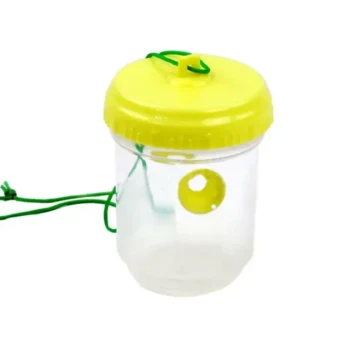
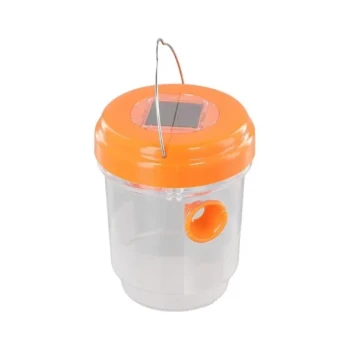
Wire traps and attractants operate as a dual-mechanism system combining biochemical lures with mechanical containment to secure an apiary. The process begins with an attractant—such as fermented sugar, honey, or specific pheromones—which draws Oriental wasps (Vespa orientalis) toward the device, while the wire mesh structure physically restricts their exit to permanently remove them from the environment without the use of chemical pesticides.
By leveraging the wasp's natural foraging instincts against them, this system creates a perimeter defense that lowers overall predation pressure. It targets pests specifically through biological cues, preserving the health and safety of foraging and guard bees.
The Mechanics of Capture
Biochemical Attraction
The system relies first on a potent lure to draw pests away from the bee colonies. Common attractants include fermented sugar, honey, or species-specific pheromones designed to mimic food sources or reproductive signals.
This biochemical signal effectively intercepts the wasp's search pattern. Instead of targeting the hive for protein or sugar, the wasp is diverted toward the trap's location.
Mechanical Isolation
Once the wasp investigates the lure, the wire mesh structure takes over. The trap allows entry through specific openings but makes exit nearly impossible due to the geometry of the mesh.
This functions as a physical isolation chamber. It confines the wasp immediately upon entry, preventing it from returning to its colony to recruit others.
Strategic Implementation
Reducing Predation Pressure
The primary goal of this system is density control rather than total eradication. By consistently removing active foragers, the traps significantly decrease the total number of hornets operating in the area.
lowering the density of predators directly reduces the stress on the apiary. Fewer predators mean fewer attacks on guard bees and safer passage for foraging bees returning to the hive.
Perimeter Defense
To be most effective, these devices should be deployed around the boundary of the apiary. This establishes a defensive line that intercepts wasps before they can reach the hives.
This perimeter strategy minimizes disturbance to the honey bee colonies. It engages the threat at a distance, ensuring the bees can continue their activities without the disruption of immediate combat or chemical sprays.
Understanding the Trade-offs
Specificity of Attractants
While pheromones are highly specific, food-based lures like honey or sugar require careful management. If the bait is not distinct enough (e.g., fermented to repel bees but attract wasps), there is a risk of attracting the very bees you are trying to protect.
Maintenance Requirements
Unlike chemical pesticides which may have a residual effect, physical traps require active management. The wire mesh limits capacity, meaning traps must be emptied regularly to remain effective.
Furthermore, biological attractants degrade over time. Fermented mixtures can spoil or dry out, requiring regular replenishment to maintain the biochemical lure necessary for capture.
Making the Right Choice for Your Goal
To implement this system effectively, align your strategy with your specific management objectives:
- If your primary focus is environmental safety: Utilize this system to eliminate the need for chemical pesticides, preventing residue buildup in your honey and wax.
- If your primary focus is colony defense: Establish a dense perimeter of traps to intercept incoming wasps, lowering the "predation pressure" on your guard bees.
This approach transforms pest management from a chemical battle into a strategic, mechanical defense that works with nature rather than against it.
Summary Table:
| Component | Role in Management | Key Benefits |
|---|---|---|
| Biochemical Attractant | Lures wasps away from hives using food or pheromones | Diverts pest search patterns; reduces hive stress |
| Wire Mesh Trap | Mechanically isolates and confines the pests | Chemical-free containment; prevents colony recruitment |
| Perimeter Placement | Creates a defensive boundary around the apiary | Intercepts threats early; minimizes hive disturbance |
| Strategic Density | Lowers the overall predator population | Enhances safety for foraging and guard bees |
Secure Your Apiary with Professional-Grade Solutions
Protecting your colony from predation is vital for the success of any commercial beekeeping operation. At HONESTBEE, we specialize in supporting commercial apiaries and distributors with high-quality, durable beekeeping tools and machinery designed to withstand the rigors of the field.
From advanced hive-making equipment to specialized pest management supplies, we offer a comprehensive wholesale portfolio tailored to your needs. Contact us today to learn how our hardware and industry consumables can enhance your apiary's efficiency and defense.
References
- Gomaa Abolaban. Effect of Two Hive Height Levels on some Honeybee Activities and Hornet Attacking under Nasr City, Conditions, Cairo, Egypt.. DOI: 10.21608/jppp.2018.41672
This article is also based on technical information from HonestBee Knowledge Base .
Related Products
- High Security Emlock Strap System
- Professional Multi-Component Bucket Wasp Trap
- Compact Multi-Funnel Hanging Wasp Trap
- HONESTBEE Ergonomic Spring Loaded Frame Wire Crimper
- HONESTBEE AC Powered Wire Embedder with Alligator Clips
People Also Ask
- What are the types of Emlocks available? Choose the Right Strap for Hive Security
- How does the performance of ratchet straps compare to cam buckle straps for securing beehives? Expert Comparison Guide
- What role do standardized beehive fastening and protective consumables play? Secure Colonies Against Natural Disasters
- What are the two styles of hive straps? Choose the Right Strap for Your Hive Security
- How should hive straps be stored? Prevent Tangles & Extend Strap Life