Protective consumables and site screening act as a dual-layer defense system against agricultural pesticides. Physical isolation covers provide an immediate barrier to shield hives from chemical exposure, while strategic site screening utilizes vegetation analysis to place colonies in low-risk environments. Together, these methods mitigate mass mortality events and prevent chemical residues from contaminating the hive.
By combining physical barriers with data-driven location selection, beekeepers can shield colonies from toxic residues. This approach is essential for preserving colony strength during winter and guaranteeing the purity of honey products.
The Mechanics of Colony Protection
Physical Isolation Covers
The first line of defense involves the use of physical isolation covers. These consumables are designed to create a direct shield between the colony and the external environment.
By physically isolating the hive, beekeepers can prevent the immediate intrusion of pesticide sprays and drifting chemical mists. This prevents the acute toxicity that often leads to rapid, mass bee mortality.
Strategic Site Screening
While covers protect the hive structure, strategic site screening protects the foraging radius. This strategy relies on detailed vegetation analysis to evaluate the surrounding flora before establishing an apiary.
Beekeepers use this analysis to identify areas where the vegetation is free from heavy agricultural treatment. This ensures that the pollen and nectar brought back to the hive are not vectors for chemical contamination.
Long-Term Impacts on Apiary Health
Ensuring Overwintering Success
Minimizing exposure to plant protection chemicals is not just about immediate survival; it is vital for long-term colony activity.
Pesticide exposure weakens bees, making them less likely to survive harsh conditions. By reducing this stress, colonies maintain the vigor required to successfully overwinter and emerge strong in the spring.
Guaranteeing Product Purity
Beyond bee health, these strategies are critical for the commercial viability of the apiary. Preventing chemical ingress ensures the production of high-purity honey products.
When bees forage in screened, safe zones and hives are covered during danger periods, the risk of pesticide residues ending up in the honey is drastically reduced.
Understanding the Limitations
The Foraging Paradox
While physical isolation covers are effective, they cannot be used indefinitely. Bees must eventually leave the hive to forage.
If the surrounding vegetation is heavily contaminated, covers only protect the bees while they are inside. Once the covers are removed for foraging, the colony remains vulnerable if the site screening was not rigorous.
Operational Complexity
Implementing these strategies requires significant effort. Vegetation analysis is data-intensive and requires current knowledge of local agricultural practices.
Furthermore, applying and removing physical covers in response to spray schedules adds a logistical burden to daily beekeeping operations.
Strategies for Sustainable Beekeeping
To effectively mitigate pesticide risks, align your strategy with your specific operational goals:
- If your primary focus is immediate colony survival: Implement physical isolation covers during peak agricultural spraying windows to prevent acute toxicity events.
- If your primary focus is product purity: Prioritize rigorous site screening based on vegetation analysis to ensure forage zones are permanently free from chemical residues.
Proactive defense is no longer optional; it is the baseline requirement for maintaining healthy bees and producing uncontaminated honey.
Summary Table:
| Mitigation Strategy | Primary Mechanism | Key Benefit | Operational Focus |
|---|---|---|---|
| Physical Isolation Covers | Direct barrier shielding | Prevents acute toxicity & mass mortality | Immediate hive survival |
| Strategic Site Screening | Vegetation & risk analysis | Ensures pesticide-free foraging zones | Long-term product purity |
| Winter Preparation | Chemical stress reduction | Higher overwintering success rates | Colony vigor and activity |
| Residue Management | Contamination prevention | High-purity honey production | Commercial market viability |
Elevate Your Apiary's Defense with HONESTBEE
Protecting your investment requires more than just luck—it demands the right tools and professional-grade equipment. At HONESTBEE, we specialize in supporting commercial apiaries and distributors by providing a comprehensive range of beekeeping machinery and essential consumables designed to withstand modern environmental challenges.
Why partner with HONESTBEE?
- Comprehensive Wholesale Range: From specialized hive-making and honey-filling machines to durable protective hardware.
- Industry Expertise: We supply everything from commercial-scale equipment to essential industry consumables that ensure colony longevity.
- Value-Driven Solutions: Our tools are built to enhance operational efficiency, helping you maintain product purity and maximize honey yields.
Don't let agricultural risks compromise your production. Contact HONESTBEE today to discover how our premium beekeeping tools and machinery can secure the future of your commercial apiary.
References
- Önder Öztürk, Cengiz ERKAN. Bal Arısı Yetiştiriciliğinde Yerel Kışlatma Alanlarına Yönelik Bir Değerlendirme: Cizre Örneği*. DOI: 10.29185/hayuretim.725723
This article is also based on technical information from HonestBee Knowledge Base .
Related Products
- White Cotton Beekeeping Jacket and Veil for Bee Keepers
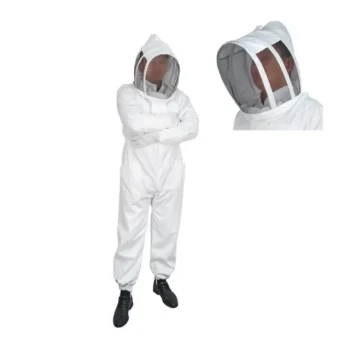
- Beekeeping Jacket with Hood and Veil for Beekeepers
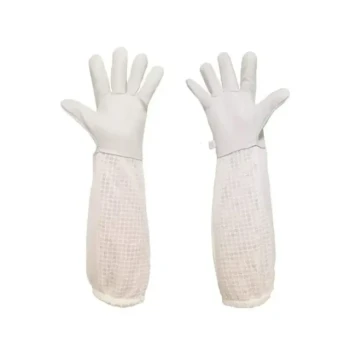
- Beekeeping Gloves Goatskin Leather with Long Cotton Sleeve for Beekeepers
- 8 Frame and 10 Frame Propolis Trap Collector Screen for Propolis Collection
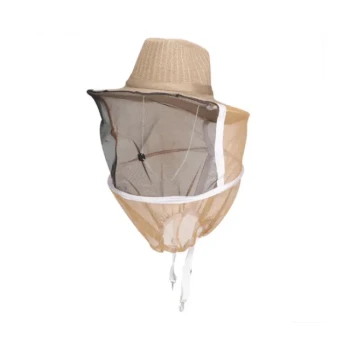
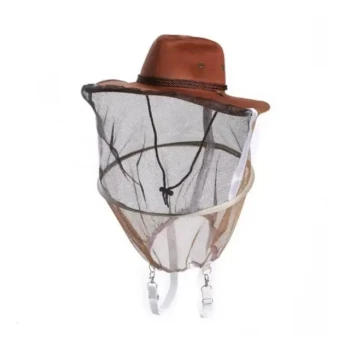
- Beekeeper Cowboy Hat and Veil for Beekeeping
People Also Ask
- What are the features of an economical beekeeping jacket? Essential Protection for Budget-Conscious Beekeepers
- What are the pros of using a beekeeping jacket? Unlock Superior Comfort and Mobility for Your Apiary
- What factors should a new beekeeper consider when choosing between a jacket and a full suit? Security vs. Comfort
- What are the advantages of a beekeeping jacket? Superior Mobility & Comfort for Routine Hive Inspections
- When is a beekeeping jacket considered a more suitable choice than a full suit? Optimize Your Apiary Mobility