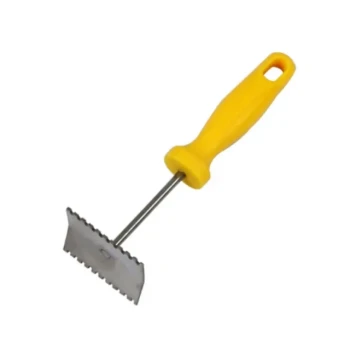
High-precision extraction is fundamental to ensuring that both the honeybee pupa and the entire Varroa mite family are removed from the brood cell without physical alteration. This meticulous process prevents mechanical damage to fragile specimens, allowing for the collection of reliable data on reproductive metrics that are easily compromised by rough handling.
A rigorous extraction protocol is the baseline for credible parasitology data. By keeping the mother mite and her offspring intact, researchers can distinguish between natural reproductive failures and artificial data loss caused by human error.
Preserving the Biological Unit
The Necessity of Fine Instrumentation
To analyze reproductive success, researchers must treat the contents of a honeybee cell as a single, cohesive biological unit.
This requires the use of medical-grade fine tweezers. These tools provide the tactile feedback and control necessary to navigate the tight confines of a cell without applying crushing force.
Protecting Vulnerable Life Stages
A typical infested cell contains not just the mother mite, but also her offspring.
This includes males and immature females, which are significantly softer and more fragile than the hardened exoskeleton of the adult mother. Without high-precision extraction, these immature stages are frequently crushed or lost, rendering the sample incomplete.
The Impact on Data Integrity
Accurately Calculating Fecundity
The primary metric for reproductive success is the total number of offspring produced.
A high-precision process ensures that egg numbers are counted exactly as they exist in the cell. If the extraction is clumsy, eggs may be mashed or dislodged, leading to an underestimation of the mite's fertility.
Measuring Fertilization Success
Understanding the population dynamics of Varroa mites requires knowing the ratio of males to females.
Researchers must verify the presence of the male mite to calculate fertilization success rates. If the male is destroyed during extraction, it becomes impossible to determine if the reproductive cycle was biologically successful.
Common Pitfalls to Avoid
The Risk of False Negatives
The most significant trade-off in low-precision extraction is the introduction of data noise.
If a researcher inadvertently kills the offspring during removal, the data will incorrectly suggest that the mite failed to reproduce. This leads to false conclusions regarding the mite's actual reproductive health.
Misinterpreting Host Resistance
Many studies aim to see if specific honeybee lineages possess natural resistance to Varroa.
If extraction damage is frequent, it mimics the effects of host resistance (where the bee naturally suppresses mite reproduction). High precision is the only way to ensure that low reproduction numbers are due to host biology, not researcher technique.
Ensuring Data Validity in Varroa Research
To generate actionable insights into parasite strategies and host defenses, your extraction methodology must be as refined as your analysis.
- If your primary focus is total fecundity: Invest in high-quality optical aids and medical-grade forceps to ensure no eggs or protonymphs are overlooked or damaged.
- If your primary focus is host resistance traits: Standardize your extraction movements to eliminate mechanical variability, ensuring that any observed reproductive failure is a true biological signal.
Precision in the lab is the only path to clarity in the data.
Summary Table:
| Factor | High-Precision Extraction | Low-Precision Extraction |
|---|---|---|
| Specimen Integrity | Intact eggs, males, and protonymphs | Crushed or missing immature stages |
| Data Accuracy | True fecundity and fertilization rates | Underestimated fertility and false negatives |
| Research Outcome | Validates host resistance biology | Confounding results due to human error |
| Tools Required | Medical-grade tweezers & optical aids | Standard laboratory forceps |
Elevate Your Beekeeping Research and Productivity with HONESTBEE
Precision is the backbone of successful beekeeping and parasitology research. At HONESTBEE, we empower commercial apiaries and distributors by providing the high-quality tools and machinery necessary for excellence. Whether you are conducting rigorous laboratory analysis or managing large-scale operations, our comprehensive wholesale portfolio has you covered.
Our Value to You:
- Specialized Machinery: From honey-filling to hive-making machines to streamline your production.
- Professional Equipment: A full spectrum of beekeeping tools designed for durability and precision.
- Global Supply: Essential industry consumables and honey-themed merchandise for diverse markets.
Don't let subpar equipment compromise your data or your yield. Partner with HONESTBEE to access professional-grade hardware and industry expertise.
Contact us today to explore our wholesale solutions
References
- Arrigo Moro, Peter Neumann. Host-Parasite Co-Evolution in Real-Time: Changes in Honey Bee Resistance Mechanisms and Mite Reproductive Strategies. DOI: 10.3390/insects12020120
This article is also based on technical information from HonestBee Knowledge Base .
Related Products
- Varroa Easy Check Mite Tester Kit Counter Alcohol Wash Jar
- Durable 12V Oxalic Acid Vaporizer for Varroa Mite Treatment Beehive Beekeeping Tool
- Heavy Duty 12V Oxalic Acid Evaporator Vaporizer for Bee Varroa Mite Treatment Beekeeping Fumigator Atomizer
- 12V Bee Mite Removal Evaporator Oxalic Acid Vaporizer for Bee Fumigation Treatment 180W Atomization
- Oxalic Acid Vaporizer 12V for Bee Varroa Mite Treatment
People Also Ask
- What tools are utilized within an Integrated Pest Management (IPM) strategy for honeybees? Optimize Colony Health
- What is the significance of standardized detection tools in Varroa control? Data-Driven Beekeeping Strategies
- Why is surfactant added to 70% alcohol for Varroa detection? Ensure Accurate Mite Counts for Professional Beekeeping
- What is the purpose of using white filter cloth for Varroa mite screening? Enhance Detection and Accuracy
- How does a specialized Varroa mite tester with sugar powder facilitate mite diagnosis? Precise B2B Hive Health Solutions