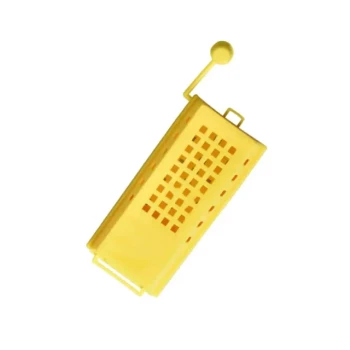
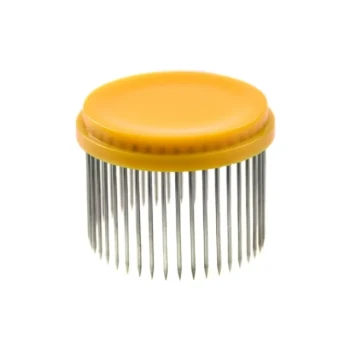
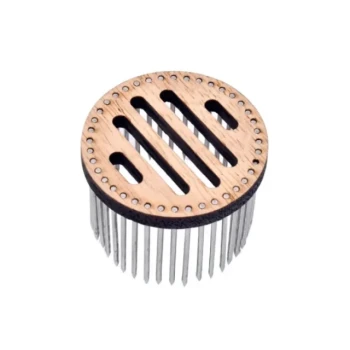
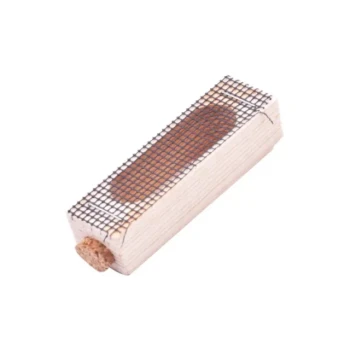
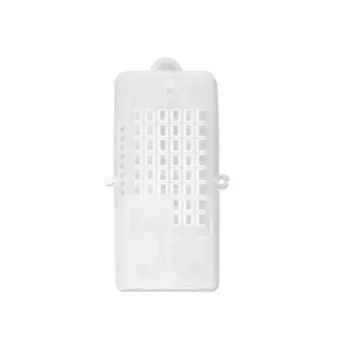
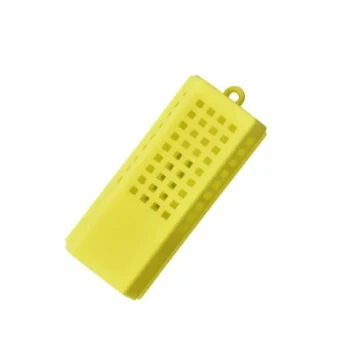
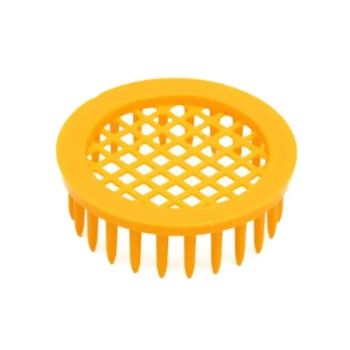
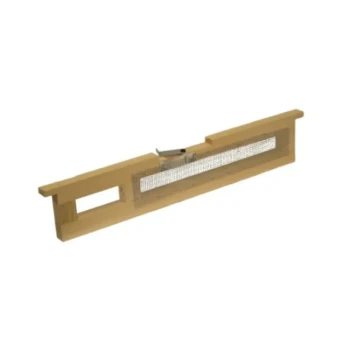
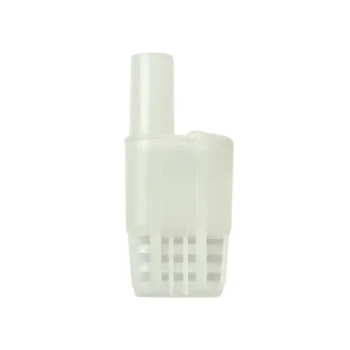
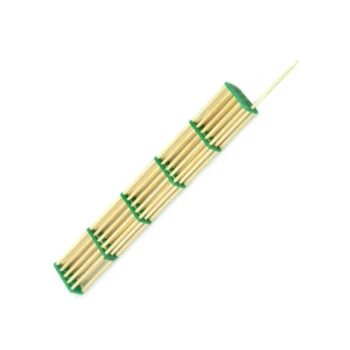
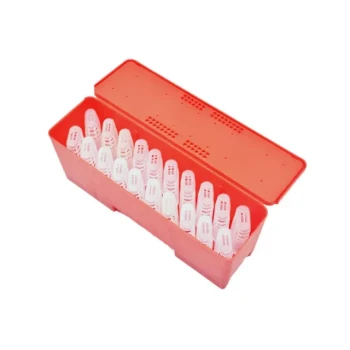
Queen introduction cages function as a critical safety barrier that physically separates the new queen from the colony's resident workers. This isolation prevents immediate aggression, such as "balling" (clustering tightly around the queen to overheat or suffocate her), caused by her unfamiliar scent, while mesh screens allow her pheromones to circulate and workers to feed her safely.
The primary function of the cage is to buy time for "social recognition" to occur. By allowing the new queen's pheromones to permeate the hive before physical contact is made, the cage transforms a potential intruder into the accepted colony leader.
The Mechanisms of Protection
Preventing Immediate Aggression
The most urgent role of the cage is physical isolation. When a new queen is introduced, her odor is foreign to the resident workers.
Without the cage, this foreign scent triggers a defensive response where workers attack or "ball" the new queen. The cage acts as a shield, ensuring the queen remains unharmed while the colony processes her presence.
Facilitating Pheromone Integration
While the cage stops physical contact, it is not hermetically sealed. It is designed with a mesh structure that allows for airflow.
This permeability is vital because it allows the new queen's pheromones to slowly diffuse throughout the hive. Over a period of days, this chemical signal overrides the colony's defensive posture, replacing it with acceptance of the new matriarch.
Enabling Safe Interaction
The mesh design serves a dual purpose: it allows for pheromone exchange and necessary biological maintenance.
Worker bees can feed the queen through the mesh, which is a significant step toward social acceptance. This safe interaction helps establish a bond between the workforce and the new queen without risking her safety.
The Role of Time in Introduction
The "Candy Plug" Timer
Many professional cages utilize a candy plug as a slow-release mechanism. This plug blocks the exit, requiring worker bees to eat through it to release the queen.
This process typically takes 1 to 2 days. This forced delay ensures that the queen is not released until her pheromones have sufficiently integrated into the colony, significantly minimizing the risk of rejection upon her exit.
Restoration of Social Order
The protection offered by the cage stabilizes the colony's "anxiety."
Research indicates that the transition in colony acoustics—from a disturbed state to a normal state—can take nine to ten days. The cage provides the initial stability required to start this long-term restoration of productivity and order.
Understanding the Trade-offs
While cages are essential for safety, they are not a guarantee of acceptance if used incorrectly.
Timing is Critical If a queen is released too early (before the candy is consumed or pheromones are spread), the protection of the cage is nullified, and "balling" may still occur. Conversely, keeping a queen caged for too long can inhibit her laying potential and stress the animal.
The "Queenright" False Positive If you introduce a queen cell rather than a live queen into a colony that recently had a queen, residual pheromones may cause workers to destroy the cell.
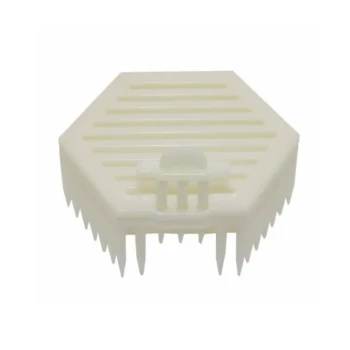
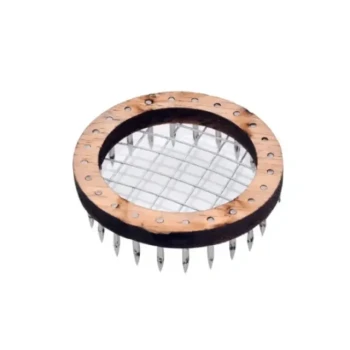
In this specific scenario, a standard cage is not used; instead, a "cell protector" is required to shield the sidewalls of the queen cell. Without this specific barrier, bees will chew through the thinner side of the cocoon to remove the developing queen.
Making the Right Choice for Your Goal
To ensure a successful leadership transition, select the method that aligns with the maturity of the queen you are introducing.
- If your primary focus is introducing a mated, adult queen: Use a mesh cage with a candy plug to enforce a 1-2 day buffer period, allowing pheromones to normalize before physical contact.
- If your primary focus is introducing a queen cell: Utilize a cell protector to shield the vulnerable side walls of the cocoon from workers reacting to residual old-queen pheromones.
Successful queen replacement is not about force, but about managing the delicate chemical transition from rejection to recognition.
Summary Table:
| Feature | Mechanism of Protection | Primary Benefit |
|---|---|---|
| Mesh Structure | Physical barrier with airflow | Prevents 'balling' while allowing pheromone circulation. |
| Candy Plug | Slow-release timing mechanism | Ensures 1-2 days of scent integration before release. |
| Feeding Gaps | Small openings in the cage | Allows workers to feed the queen safely, building social bonds. |
| Cell Protector | Side-wall shielding | Protects developing queen cells from worker interference. |
Secure Your Apiary's Success with HONESTBEE
Transitioning leadership in a colony requires precision and the right tools. At HONESTBEE, we support commercial apiaries and distributors with high-quality beekeeping equipment designed for professional success. From specialized queen introduction cages and cell protectors to advanced hive-making and honey-filling machinery, our wholesale solutions ensure your operations remain productive and profitable.
Ready to scale your beekeeping business? Contact us today to explore our full range of professional tools and machinery!
References
- Sarah R. Preston, Clare C. Rittschof. The impacts of maternal stress on worker phenotypes in the honey bee. DOI: 10.1007/s13592-019-00680-1
This article is also based on technical information from HonestBee Knowledge Base .
Related Products
- Durable Galvanized Steel Spring Queen Bee Cage
- Professional Queen Bee Introduction and Transport Cage
- Professional Queen Cage with Sliding Gate and Feeder Plug
- Professional Round Push-In Queen Cage with Metal Tines
- Premium Wood and Steel Push In Queen Cage
People Also Ask
- Why are specialized queen bee cages used for the banking of mated queen bees? Maximize Commercial Apiary Storage Efficiency
- What is the mechanism of action for using temporary queen bee cages? Master Successful Queen Introduction
- What is the step-by-step process for installing a queen bee's cage onto a frame? Ensure Hive Acceptance Safely
- What is the optimal placement for a queen bee cage? Essential Strategies for Successful Re-queening
- What are the advantages and disadvantages of introducing a queen bee by embedding the cage? Boost Your Queen Acceptance