Retail packaging equipment and small-format materials function as the critical mechanism for transforming organic honey from a bulk commodity into a high-value consumer product. These tools prepare honey for high-end distribution channels, such as specialty stores and direct-to-consumer sales, by ensuring the product is presented in a refined, market-ready format. By leveraging these technologies, producers significantly increase the added value of their product, enabling higher retail premiums that improve the overall economic feasibility of organic production.
The core value of packaging technology lies in its ability to convert raw inventory into a distinct brand asset. Specialized equipment and materials do not just contain the product; they stabilize its quality, enable market segmentation, and unlock superior economic returns compared to wholesale distribution.
Elevating Market Position and Economic Feasibility
Unlocking High-End Retail Channels
The primary function of retail packaging equipment is to bridge the gap between the hive and the premium shelf. By processing honey into refined, consumer-friendly units, producers can bypass low-margin bulk wholesale markets. This access to specialty stores and direct sales channels is essential for capturing the added value inherent in organic certification.
Strategic Market Segmentation
Using varying packaging specifications allows producers to address different consumer behaviors. Small-format materials (e.g., 250ml) target trial purchases, tourism markets, and gift buyers, while larger formats (e.g., 500ml) serve long-term household users. This flexibility enables producers to optimize pricing strategies for different demographics, maximizing revenue from a single harvest.
Brand Differentiation Through Design
High-quality labeling and professional packaging design are not merely aesthetic; they are functional tools for communication. They convey vital information regarding origin and brand identity, which are heavily relied upon by consumers in the organic sector. This visual presentation directly influences purchasing decisions and helps establish a loyal customer base in a competitive market.
Ensuring Quality and Logistical Efficiency
Preservation of Integrity
Automated filling equipment plays a vital role in food safety by minimizing human contact and the risk of secondary contamination. Simultaneously, professional sealing materials exclude air and moisture, preventing fermentation and stabilizing the honey chemically. This extension of shelf life is critical for maintaining product quality during long distribution cycles.
Logistics and Inventory Management
Standardized packaging creates uniform product units that streamline the entire supply chain. In logistics-intensive scenarios, such as high-frequency retail distribution, consistent package dimensions allow for better space utilization and easier inventory management. This efficiency enables producers to reach diverse, sometimes underserved, markets with high-quality goods.
Understanding the Trade-offs
Material Safety and Migration Risks
While packaging adds value, it introduces a critical variable: material interaction. Producers must rigorously verify that materials are food-grade and environmentally friendly to ensure no harmful substances migrate into the honey. Failure to select the correct high-quality materials can compromise the organic integrity of the product and consumer health.
Balancing Automation with Flexibility
Transitioning to automated equipment is necessary for entering high-volume channels like supermarkets, but it requires capital investment and standardization. While automation ensures consistency and speed, it may reduce the flexibility to quickly change package sizes or designs compared to manual processes. Producers must weigh the need for volume against the need for agility.
Making the Right Choice for Your Goal
To maximize the impact of your packaging strategy, align your equipment and material choices with your specific business objective:
- If your primary focus is maximizing profit margins: Prioritize small-format, high-design packaging materials to target the tourism and gift sectors where price sensitivity is lower.
- If your primary focus is volume and supermarket access: Invest in automated filling and standardizing equipment to ensure the net weight consistency and seal integrity required by large retailers.
- If your primary focus is brand trust and safety: Select materials with certified non-migration properties and high-quality seals to guarantee shelf life and preserve organic certification.
Ultimately, the strategic application of packaging technology turns a raw agricultural product into a stable, profitable consumer good capable of commanding a premium in the global market.
Summary Table:
| Feature | Strategic Benefit | Impact on Distribution |
|---|---|---|
| Small-Format Sizes | Strategic Market Segmentation | Targets gift, tourism, and trial purchase demographics. |
| Automated Filling | Quality Preservation | Minimizes contamination and ensures net weight consistency. |
| Professional Sealing | Extended Shelf Life | Stabilizes honey chemistry for long-cycle retail distribution. |
| Branded Design | Brand Differentiation | Communicates organic integrity and builds consumer trust. |
| Standardized Units | Logistical Efficiency | Streamlines inventory management and shelf space utilization. |
Scale Your Honey Business with HONESTBEE Professional Solutions
Transitioning from bulk wholesale to premium retail requires more than just honey—it requires the right infrastructure. HONESTBEE empowers commercial apiaries and distributors with the tools needed to capture higher margins.
Our comprehensive wholesale offering includes:
- Advanced Machinery: Specialized honey-filling and hive-making machines for consistent production.
- Professional Hardware: A full spectrum of beekeeping tools and industrial-grade equipment.
- Essential Consumables: High-quality packaging materials that preserve organic integrity.
- Cultural Merchandise: Unique honey-themed retail products to diversify your brand.
Whether you are scaling a commercial operation or supplying a distribution network, our expertise ensures your honey reaches the shelf in world-class condition.
Contact HONESTBEE Today to Optimize Your Packaging Strategy
References
- Marija Nikolić, Suzana Đorđević Milošević. Cost-effectiveness analysis of organic honey production in Serbia. DOI: 10.5937/ekopolj2202533n
This article is also based on technical information from HonestBee Knowledge Base .
Related Products
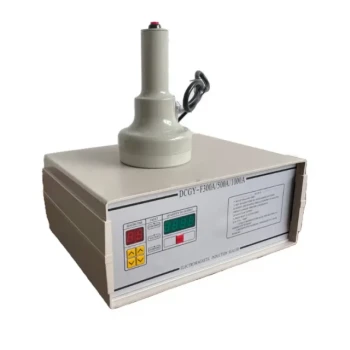
- Handheld Induction Sealing Machine for Tamper Evident Packaging
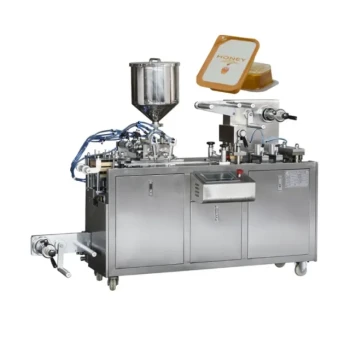
- Small Honey Filling Machine Sachet Packing Equipment Single Nozzle
- Professional Durable Customizable Blister Packing Machine
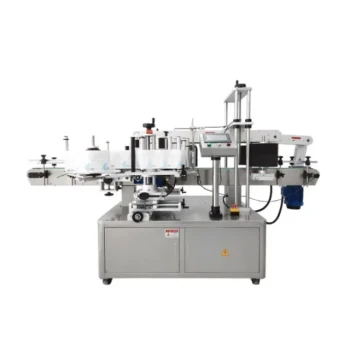
- Automatic Dual Sided In Line Labeling Machine
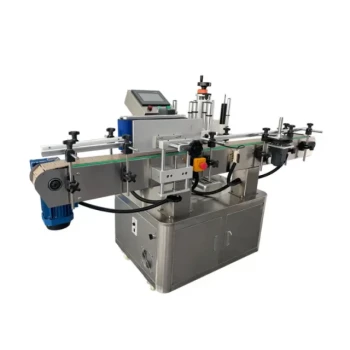
- Automatic In-Line Round Bottle Labeling Machine
People Also Ask
- How does tamper-evident sealing equipment benefit the honey trade? Ensure Product Integrity and Market Trust
- What is the function of an induction sealing machine in packaging? Secure Your Brand with Tamper-Evident Seals
- How does the induction sealing process work? Create Tamper-Evident, Airtight Seals for Your Products
- How does an induction sealing machine work? Enhance Honey Packaging with Hermetic Seals & Tamper Evidence
- What is an induction sealing machine and how does it work? Achieve Airtight, Tamper-Evident Seals