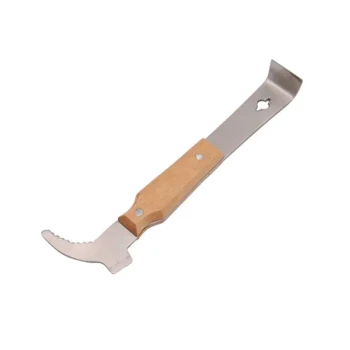
Specialized extraction tools function by precisely removing wax cappings and extracting high-viscosity bee bread granules from individual honeycomb cells. This targeted approach allows for the efficient separation of the product while strictly limiting physical damage to the comb, ensuring the structure remains viable for the colony.
By replacing destructive scraping with precision extraction, these tools solve the dual challenge of harvesting a sticky, fermented product while preserving the colony’s infrastructure and ensuring sample purity.
Preserving the Honeycomb Infrastructure
Minimizing Structural Damage
Traditional harvesting often involves crushing or scraping, which destroys the comb. Specialized tools enable the non-destructive removal of bee bread, leaving the cell walls intact.
Enabling Colony Recovery
Because the honeycomb structure is preserved, the bee colony can utilize the cells normally immediately after harvesting. This reduces the energy burden on bees, as they do not need to rebuild the wax foundation.
Precision with Plastic Straws
Specialized plastic sampling straws are often employed to extract material from the cell. Unlike broad scraping, this method minimizes disruption to the surrounding colony structure.
Ensuring Sample Purity and Quality
Managing High Viscosity
Bee bread is naturally sticky and dense. Specialized tools are engineered to handle this high-viscosity material, ensuring granules are fully separated from the cell without becoming an unmanageable paste.
Depth-Specific Extraction
Tools like sampling straws allow for extraction at specific depths. This precision is vital for isolating samples without disturbing the bottom of the cell or mixing layers.
Preventing Microbial Cross-Contamination
Bee bread is a fermented product containing active microbial communities. The use of strictly sterilized spatulas is necessary to maintain aseptic conditions and protect the integrity of these natural microbes.
Eliminating Chemical Interference
To ensure accuracy, particularly in pesticide residue testing, disposable wooden sticks are often used. Using a fresh tool for each point prevents chemical cross-contamination between different colonies or hive locations.
Understanding the Trade-offs
Operational Speed vs. Integrity
While specialized tools preserve the comb and ensure purity, the process is generally slower than bulk harvesting methods. Extracting from individual cells requires more time and manual dexterity than crushing the entire comb.
Cost of Consumables
To maintain high purity standards, many of these tools (such as wooden sticks and plastic straws) are disposable. This creates a recurring cost and waste stream compared to reusable, heavy-duty scraping equipment.
Making the Right Choice for Your Goal
Selecting the correct extraction method depends on whether you are prioritizing commercial volume or biological integrity.
- If your primary focus is Colony Sustainability: Prioritize tools that remove cappings and granules individually to ensure the bees can immediately reuse the honeycomb structure.
- If your primary focus is Research or Quality Analysis: Utilize sterile, disposable tools like straws or wooden sticks to prevent microbial or chemical cross-contamination between samples.
Precision extraction protects both the product's chemistry and the bees' future labor.
Summary Table:
| Feature | Specialized Extraction Tools | Traditional Scraping/Crushing |
|---|---|---|
| Comb Integrity | Non-destructive; cells remain intact | Destructive; wax must be rebuilt |
| Sample Purity | High; prevents cross-contamination | Low; risk of wax and debris mixing |
| Viscosity Handling | Engineered for sticky granules | Difficult; often creates a paste |
| Colony Recovery | Immediate cell reuse | Delayed; high energy cost to bees |
| Process Speed | Slower, precision-focused | Fast, volume-focused |
Elevate Your Apiary’s Productivity with HONESTBEE
At HONESTBEE, we understand that commercial success in beekeeping requires a balance between efficient harvesting and colony health. As a leading provider for commercial apiaries and global distributors, we offer a comprehensive wholesale portfolio ranging from precision handheld tools to advanced honey-filling and hive-making machinery.
Whether you are looking to source high-quality consumables like sterile extraction sticks or investing in heavy-duty machinery to scale your operations, our expert team is ready to support your growth. Our value is in our versatility: providing everything from essential hardware to honey-themed cultural merchandise that adds value to your brand.
Ready to optimize your harvest? Contact us today to explore our wholesale solutions!
References
- Erwan Erwan, Agussalim Agussalim. Preliminary Study on Moisture, Fat, and Protein Contents of Bee Bread From Apis cerana from Different Regions in North Lombok Regency, Indonesia. DOI: 10.21776/ub.jtapro.2021.022.01.5
This article is also based on technical information from HonestBee Knowledge Base .
Related Products
- Professional Stainless Steel Pry-Bar Hive Tool
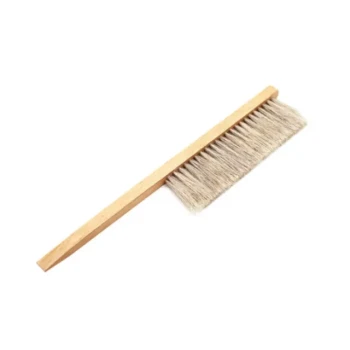
- Wooden Bee Brush with Double-Row Horsehair Bristles
- HONESTBEE 3-Frame Manual Acrylic Honey Extractor
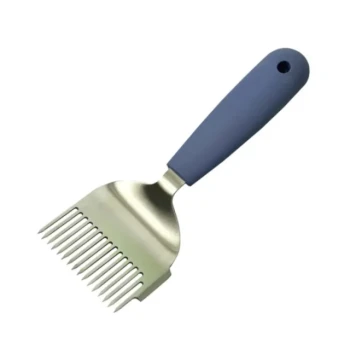
- Professional Multi-Function Uncapping Fork with Ergonomic Rubber Grip
- Plastic Hand Crank 2 Frame Honey Extractor Low Price
People Also Ask
- Which technical challenges in hive maintenance are addressed by using a professional stainless steel hive tool?
- What is the function of a professional stainless steel hive tool in IFB? Optimize Your Colony Strength Assessment
- What are the primary functions of a stainless steel hive tool? Essential Tips for Efficient Apiary Maintenance
- What are the primary functions of a stainless steel hive tool? Essential Equipment for Professional Beekeeping
- What is the role of professional hive tools in routine apiary maintenance? Expert Tips for Hive Health and Longevity