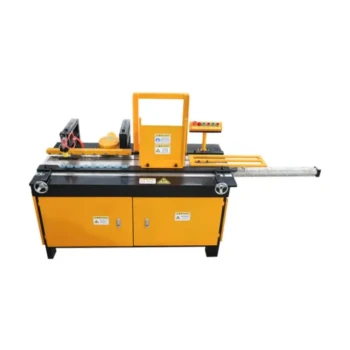
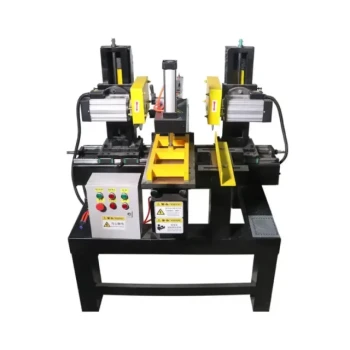
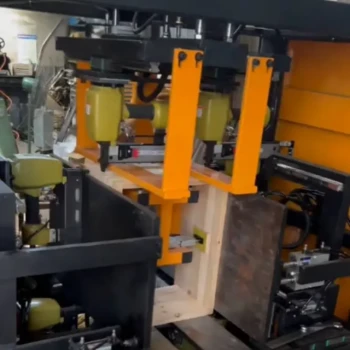
Precision manufacturing is the cornerstone of sustainable beekeeping. Specialized Hive-making Machines contribute to long-term project stability by producing hive components with uniform specifications and tight structural integrity. This mechanical precision ensures hives are durable enough to withstand extreme environments, such as humid mountain regions, while simultaneously lowering operational costs through easier maintenance and part replacement.
The core value of these machines lies in their ability to transform beekeeping from a variable craft into a resilient industry. By delivering consistent, industrial-grade hardware, they minimize physical equipment failure and maximize financial security for beekeepers.
Engineering for Environmental Resilience
The primary threat to beekeeping projects is the physical degradation of equipment. Hive-making machines address this by enforcing strict manufacturing standards that manual methods often lack.
Withstanding Extreme Conditions
Hives produced by these machines are built to survive harsh outdoor elements.
Because the components are cut and assembled with high precision, the final structure creates a tight seal against the elements. This is particularly vital in challenging climates, such as humid mountain regions, where moisture intrusion can rapidly rot standard woodenware.
Ensuring Structural Integrity
The longevity of a hive relies on how well its joints and seams hold together over time.
Specialized machines apply consistent pressure and precise joinery techniques. This results in superior structural integrity, preventing the warping and gaps that often plague hand-built hives after seasonal expansion and contraction.
The Operational Impact of Standardization
Beyond durability, the greatest contribution of these machines is the standardization of hardware. This is a prerequisite for what is often called "scientific beekeeping."
Interchangeability of Parts
In a manual setup, a frame from Hive A might not fit into Hive B.
Machine-produced components adhere to exact physical specifications. This ensures that internal components, such as frames, are fully interchangeable across the entire apiary, drastically simplifying colony management and honey extraction.
Streamlining Maintenance
Standardization directly translates to easier repairs.
When a part breaks, beekeepers do not need to craft a bespoke replacement. They can simply swap in a standard spare part. This reduces downtime and labor, keeping the focus on colony health rather than carpentry.
Economic Stability and Scalability
The physical resilience of the equipment fosters financial resilience for the beekeeper.
Reducing Long-Term Costs
While the initial investment in machinery or machine-made hives may be higher, the long-term operational costs are significantly lower.
The reduced need for frequent equipment replacement and the labor savings from standardized maintenance improve the project's bottom line. This turns beekeeping into a more reliable source of income.
Enabling Industrial Transition
For projects aiming to scale, consistency is key.
These machines provide the material foundation necessary for large-scale apiaries. By automating the production of uniform hives, projects can transition from small-scale manual operations to professional, industrial-scale production.
Understanding the Trade-offs
While the benefits are substantial, relying on specialized machinery introduces specific considerations that must be managed.
Initial Capital Investment
Implementing industrial-grade hive-making machines requires significant upfront capital.
Small-scale projects may find the cost of the machinery itself prohibitive compared to manual construction, even if the long-term unit cost is lower.
Maintenance of the Machinery
The stability of the project shifts slightly from maintaining hives to maintaining the hive-making machine.
Operators require technical skills to keep high-precision mechanical processing equipment running. A breakdown in the manufacturing line can halt the production of essential replacement parts.
Making the Right Choice for Your Goal
Whether you are managing a local cooperative or an industrial apiary, understanding your primary objective is essential for utilizing this technology effectively.
- If your primary focus is Durability: Prioritize machine-made hives for operations in regions with high humidity or extreme weather to minimize equipment rot and failure.
- If your primary focus is Scalability: Leverage the high-precision standardization of these machines to ensure all frames and bodies are interchangeable, facilitating mass management.
- If your primary focus is Financial Resilience: Use these machines to reduce the long-term recurring costs of hive replacement and maintenance labor.
Standardization is not just a convenience; it is the structural and economic foundation of a stable modern apiary.
Summary Table:
| Feature | Benefit to Project Stability | Impact on Operation |
|---|---|---|
| Precision Manufacturing | Superior structural integrity and weather resistance | Reduces equipment rot and frequent replacements |
| Standardized Specs | Universal interchangeability of frames and parts | Simplifies colony management and maintenance |
| Automated Production | Consistent industrial-grade hardware quality | Enables scaling from small craft to industrial levels |
| Economic Efficiency | Lower long-term operational and labor costs | Improves ROI and financial security for apiaries |
Elevate Your Beekeeping Operation with HONESTBEE
Transform your apiary from a variable craft into a resilient, industrial-scale success. HONESTBEE specializes in empowering commercial apiaries and distributors with the high-precision tools necessary for long-term growth.
We provide a comprehensive wholesale range, including:
- Specialized Machinery: State-of-the-art hive-making and honey-filling machines.
- Durable Hardware: Precision-engineered beekeeping tools and equipment.
- Industry Consumables: A full spectrum of essential supplies for large-scale management.
Whether you are looking to standardize your hardware or scale your production, our team is ready to deliver the expertise and equipment you need. Contact HONESTBEE today to discuss your wholesale needs and secure the future of your beekeeping projects.
References
- Willickister R. Kadigi, Reuben M. J. Kadigi. Economic Viability of Smallholder Agroforestry and Beekeeping Projects in Uluguru Mountains, Tanzania: A Cost Benefit Analysis. DOI: 10.4236/ojf.2021.112007
This article is also based on technical information from HonestBee Knowledge Base .
Related Products
- High-Efficiency Pneumatic Bee Hive Making Machine for Rapid Box Assembly
- Mini Desktop Bee Hive Frame Forming Making Machine
- Beehive Handle and Frame Rest Cutting Machine: Your Specialized Hive Machine
- Beehive Machine Double End Saw for Precision Hive Component Manufacturing
- Automatic High-Speed Bee Hive Box Stapling Machine
People Also Ask
- How does the introduction of professional beehive-making machinery benefit sustainable beekeeping? Scale Your Apiary
- Why is specialized beehive-making machinery critical for low-defense breeding? Enhance Selection with Precision Tools
- How does the introduction of specialized beehive making machinery contribute to increasing the scale of regional beekeeping industries?
- What is the importance of specialized beehive making machinery in a circular bio-economy? Build Local Sustainability
- Why is specialized beehive-making machinery essential? Scale Your Apiary with Precision Industrial Standards