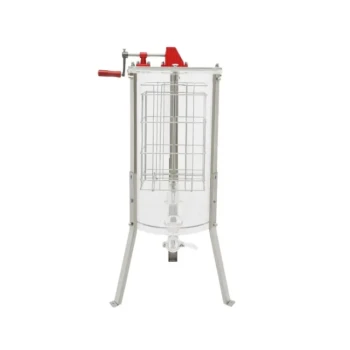
Specialized honey processing and storage workshops maintain quality in tropical climates by establishing strict temperature and humidity controls alongside physical isolation barriers. These facilities actively prevent honey from absorbing atmospheric moisture, fermenting due to excessive heat, or becoming contaminated by environmental debris.
By inhibiting the degradation of sensitive enzymes and preventing moisture-induced fermentation, these facilities do more than simply keep honey clean; they transform a perishable raw material into a stable, high-value asset that can be sold when market prices are optimal.
The Battle Against Tropical Elements
The primary challenge in tropical regions is the combination of high ambient temperatures and excessive humidity. Specialized workshops function as a controlled ecosystem to counteract these specific threats.
Controlling Moisture and Fermentation
Honey is hygroscopic, meaning it naturally absorbs moisture from the air. In tropical humidity, open exposure leads to rapid water uptake, which triggers fermentation and spoilage. Professional workshops utilize physical isolation barriers and humidity regulation to keep the honey's moisture content stable, preserving it from the moment of harvest.
Managing Heat and Chemical Stability
Ambient temperatures in tropical regions frequently exceed 30°C, which can degrade honey's chemical structure. Temperature-controlled storage systems maintain a cool environment to inhibit the rapid increase of Hydroxymethylfurfural (HMF) levels. This regulation also prevents the breakdown of critical enzymes like diastase, preserving the honey's natural bioactivity and nutritional profile.
Physical Refinement and Purity
Beyond environmental control, these workshops utilize standardized equipment to refine the raw product. This processing is essential for meeting grading standards and consumer expectations.
Eliminating Contaminants
Raw honey often contains wax debris, larval fragments, and other impurities from the harvesting process. Specialized workshops employ filtration devices and settling tanks to perform physical clarification. This machinery removes particulate matter without stripping the honey of its natural aroma or pollen content.
Enhancing Visual Quality and Trust
The use of multi-stage precision filters ensures the final output achieves high transparency and purity. This directly impacts grading evaluation, as clear, impurity-free honey commands a higher market price. This physical guarantee of purity reinforces consumer trust, which is often the deciding factor in purchasing decisions.
Understanding the Trade-offs
While the benefits are clear, implementing these systems requires balancing immediate costs against long-term gains.
Capital Investment vs. Value Retention
Establishing a facility with moisture-proof infrastructure and temperature regulation requires significant upfront investment. However, without this infrastructure, the lifespan of assets—including beehive kits and extraction equipment—is drastically reduced by pest damage and environmental wear.
Energy Demands in Tropical Climates
Running cooling and dehumidification systems in hot climates creates a continuous operational cost. Producers must weigh these energy costs against the potential revenue loss from sensory deterioration or forced low-price sales during harvest seasons.
Making the Right Choice for Your Goal
Whether you are a small-scale producer or managing a large cooperative, the level of infrastructure you adopt should match your specific market objectives.
- If your primary focus is entering high-end consumer markets: Prioritize precision filtration and temperature control to minimize HMF levels and maximize transparency, as these are the key indicators for premium grading.
- If your primary focus is economic stability and bulk sales: Prioritize humidity control and standardized storage tanks to prevent fermentation, allowing you to hold inventory safely and sell during off-season price peaks.
Investing in environmental control is the only way to decouple your product's quality from the volatility of a tropical climate.
Summary Table:
| Feature | Protection Mechanism | Impact on Honey Quality |
|---|---|---|
| Humidity Control | Physical isolation & dehumidification | Prevents moisture absorption and fermentation |
| Temperature Regulation | Controlled cooling systems | Inhibits HMF increase and preserves diastase enzymes |
| Precision Filtration | Multi-stage filtration devices | Removes wax and debris while maintaining clarity |
| Standardized Storage | Sealed, food-grade settling tanks | Ensures purity and extends shelf-life for market timing |
Maximize Your Honey Quality with HONESTBEE
In tropical climates, the right infrastructure is the difference between a premium product and a lost harvest. HONESTBEE empowers commercial apiaries and distributors with the specialized machinery needed to thrive in challenging environments. From high-precision honey-filling machines and advanced filtration systems to robust beekeeping tools and specialized hardware, we provide the full spectrum of equipment required to maintain low HMF levels and prevent fermentation.
Partner with us to transform your raw honey into a stable, high-value asset. Contact our wholesale experts today to discover how our comprehensive equipment solutions can optimize your processing workshop and increase your market competitiveness.
References
- Ileana Mercedes Canepa-Pérez, Ricardo Dzul-Caamal. Análisis FODA de la apicultura en la península de Yucatán. DOI: 10.26359/52462.0608
This article is also based on technical information from HonestBee Knowledge Base .
Related Products
- Heavy Duty Stainless Steel Honey Processing Machine Decrystallizing Tank
- Double Wall Honey Heating Stirring Homogenizer Mixing Machine with Various Capacity
- Professional Honey Filter with Tripod Support Stand
- Economy Honey Homogenizer Mixer and Melting Machine for Beekeeping
- Honey Concentrating and Filtering Dehumidifier Machine 2T Capacity for Honey
People Also Ask
- What are the features of the processing tanks offered? Engineered for Purity and Efficiency
- What types of stainless steel processing tanks are used for honey? Essential Equipment for Quality Honey Production
- What design options are available for honey processing tanks? Optimize Efficiency with Custom Geometries
- What types of stainless steel are used for honey processing? Ensure Food Safety with 304 & 316 Grade Equipment
- Why is industrial-grade stainless steel processing equipment required for honey harvesting? Ensure Purity & Compliance