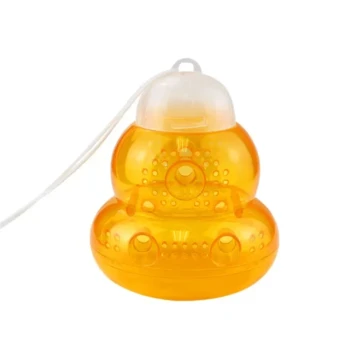
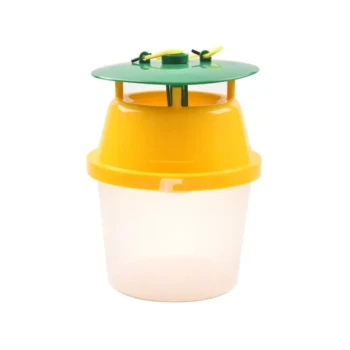
Specialized pest trapping devices function by utilizing physical isolation and lure-and-kill mechanisms to maintain pest populations below economic thresholds. These devices target specific biological behaviors to capture pests like Small Hive Beetles, mites, and wasps, effectively reducing the need for chemical treatments and ensuring the purity of honey and wax products.
Core Takeaway: Within an IPM strategy, specialized traps serve as a non-chemical mechanical control layer that monitors pest density while physically reducing populations to prevent colony collapse and product contamination.
The Mechanics of Physical Isolation and Control
Eliminating Chemical Dependency
Specialized traps leverage physical control methods to minimize chemical residues in bee products. This protects the sensory and nervous systems of honey bees, which can be negatively impacted by traditional veterinary drugs.
Lure-and-Kill Mechanisms
Devices often use food-grade oil, vinegar, or chemical lures to attract and drown pests. By simulating natural hive crevices, these traps exploit the pests' instinctual hiding behaviors to achieve high capture rates without disturbing the colony.
Maintaining Economic Thresholds
The primary goal of these devices is to keep pest numbers low enough that they do not cause catastrophic damage. This proactive approach allows beekeepers to manage infestations before they require emergency, high-cost interventions.
Targeted Management for Hive Pests
Small Hive Beetle (SHB) Suppression
SHB traps utilize the beetle’s natural invasive and hiding behaviors for precise capture or blocking. Placement between hive frames or at the bottom board allows beekeepers to quantitatively assess beetle density and reduce adult populations efficiently.
Predatory Wasp and Hornet Defense
Wire mesh and specialized physical traps are deployed around the apiary perimeter to decrease hornet density. These devices use physical isolation to confine predators, significantly lowering the predation pressure on protected colonies.
Monitoring for Parasitic Flies
Bait traps serve as an early warning system by performing on-site screenings of high-risk zones. This data allows for precise control interventions, ensuring beekeepers can react to parasitic fly infestations before a large-scale outbreak occurs.
Livestock Preservation and Monitoring
Preemptive Swarm Recovery
Swarm traps act as a vital recovery tool by using lures to attract bees that are preparing to depart the colony. This prevents the loss of valuable livestock and maintains the overall productivity of the apiary operation.
Empirical Data Collection
Beyond simple capture, specialized traps provide empirical data on pest activity patterns across different seasons. This information is critical for distributors and professional beekeepers to predict supply needs and timing for pest management.
Full-Spectrum IPM Integration
A comprehensive product portfolio must include traps for beetles, wasps, and flies to offer a complete defense strategy. These tools work in tandem to create a multi-layered barrier that protects bee health and commercial yields.
Understanding the Trade-offs
Maintenance and Labor Requirements
While physical traps reduce chemical costs, they require regular monitoring and cleaning. Oil-filled traps must be emptied and refilled to remain effective, which increases the labor demand compared to some long-term chemical strips.
Specificity and Lure Efficacy
Traps are highly specific; a Small Hive Beetle trap will not control wasps. This requires distributors to maintain a full-spectrum inventory to ensure beekeepers have the correct tool for the specific seasonal threat they are facing.
Environmental Limitations
The effectiveness of lures can vary based on ambient temperature and humidity. In extreme conditions, certain food-grade baits may degrade faster, necessitating more frequent replacement to maintain high capture rates.
Optimizing Your Sourcing Strategy
Strategic Recommendations for Distributors
Effective pest management requires a reliable supply of diverse, high-quality trapping tools. Professional distributors should focus on sourcing a variety of specialized devices to meet the complex needs of modern Integrated Pest Management.
- If your primary focus is rapid infestation response: Prioritize stocking high-capacity oil-filled traps and perimeter wasp traps for immediate population reduction.
- If your primary focus is long-term colony health: Emphasize the distribution of monitoring-focused bait traps that provide the data needed for proactive management.
- If your primary focus is operational efficiency: Source traps with durable, easy-to-clean designs that minimize the labor burden for commercial beekeeping operations.
By integrating these specialized mechanical tools, beekeeping operations can achieve a sustainable, chemical-free defense that preserves both colony vitality and product integrity.
Summary Table:
| Device Type | Primary Target | Core Mechanism | Strategic Value |
|---|---|---|---|
| Oil-filled Traps | Small Hive Beetle | Lure-and-kill (Physical) | Prevents honey fermentation & spoilage |
| Perimeter Mesh | Wasps & Hornets | Physical Isolation | Minimizes predator-induced colony stress |
| Bait Traps | Parasitic Flies | Early Warning/Monitoring | Enables data-driven intervention timing |
| Swarm Traps | Bee Swarms | Pheromone Attraction | Recovers valuable livestock & maintains yield |
Secure Your Supply Chain with HONESTBEE®
As a premier global partner for distributors, wholesalers, and B2B resellers, HONESTBEE offers a one-stop sourcing solution for high-performance beekeeping technology. We provide a full-spectrum product portfolio—from specialized pest-trapping hardware and hive-making machinery to industrial honey-filling systems and cultural merchandise.
Why Partner with HONESTBEE?
- Deep Professional Expertise: Expertly designed tools that meet rigorous IPM standards.
- Rapid Fulfillment: Ultra-fast delivery and efficient order processing to maximize your profit margins.
- Dedicated Support: Exceptional customer service with OEM/ODM capabilities to suit your market needs.
- Unmatched Reliability: High-quality consumables and equipment that ensure long-term colony health.
Equip your clients with the best in the industry. Contact us today to request a wholesale quote!
References
- Ashley N. Mortensen, Jamie Ellis. European Honey Bee Apis mellifera Linnaeus and subspecies (Insecta: Hymenoptera: Apidae). DOI: 10.32473/edis-in1005-2013
This article is also based on technical information from HonestBee Knowledge Base .
Related Products
- Gourd Shaped Hanging Wasp Trap Professional Wasp Catcher
- Black Plastic Beetle Barn Hive Beetle Trap for Beehives
- Reusable Aluminium Beetle Trap for Small Hive Beetles Silver Bullet
- Galvanized Beekeeping Smoker for Honey Bee and Apiculture
- Durable Galvanized Steel Frame Grip
People Also Ask
- How do professional wasp traps function? Master Physical Control of Oriental Hornets to Protect Your Apiary
- What are the practical advantages of using professional wasp traps and protective equipment in apiary management? Scale Up
- Why replace sugar syrup bait in wasp traps every three days? Ensure Maximum Attraction and Catch Rates
- What role do specialized wasp traps play in wasp control? Enhance Apiary Security and Pest Monitoring
- How can commercial apiary operators mitigate wasp predation around hives using specialized trapping equipment? Effective strategies for wasp control