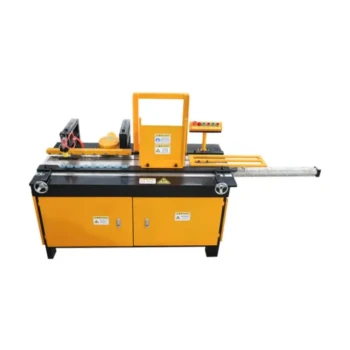
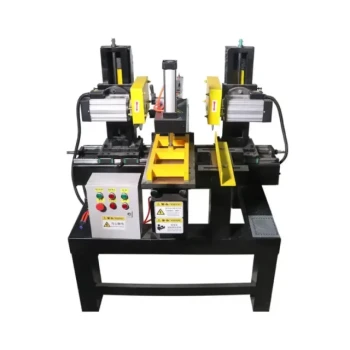
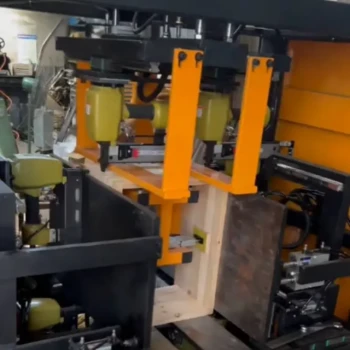
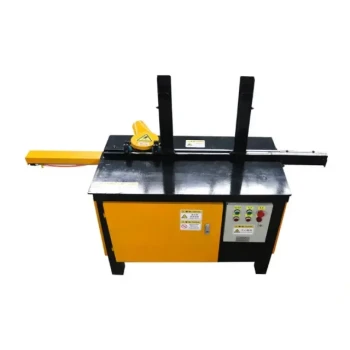
Standardized hive-making machines fundamentally support conservation by producing precision habitats that significantly increase bee colony survival rates. By manufacturing hive structures that strictly align with the biological characteristics of bees—specifically tailored for successful overwintering and breeding—these machines ensure the stability of pollination services while minimizing natural resource consumption through efficient timber processing.
The Core Insight While typically viewed as industrial tools for yield, these machines act as critical infrastructure for ecosystem stability. By creating weather-resistant, biologically precise shelters, they reduce colony collapse and ensure the continuous pollination required to sustain terrestrial biodiversity.
Enhancing Colony Survival Through Precision
Biological Alignment
Hive-making machines do more than cut wood; they process structures to exact specifications that match the biological characteristics of the bee.
Unlike rough-hewn or improvised shelters, machine-standardized hives provide the specific spatial dimensions bees require to organize their colony efficiently.
Securing the Overwintering Phase
The most critical period for colony loss is winter.
Standardized machines produce stable, draft-free spaces that allow colonies to thermoregulate effectively. This protection is essential for ensuring the colony survives until the next breeding season.
Weather Resistance and Durability
Industrial manufacturing methods produce hives capable of withstanding extreme weather events.
By utilizing robust processing techniques, these machines create housing that does not warp or degrade easily, protecting the colony from environmental stress that would otherwise lead to population collapse.
Ecosystem Support and Resource Efficiency
Continuity of Pollination Services
The ultimate ecological output of a beehive is pollination, not just honey.
By increasing colony survival rates through better housing, these machines ensure a stable supply of ecosystem services. A surviving colony continues to pollinate terrestrial organisms, maintaining the reproductive cycle of local flora.
Reduction of Timber Waste
Conservation extends to the materials used to build the hives.
Standardized machines utilize industrial precision to minimize waste during the wood processing phase. This ensures that natural timber resources are used efficiently, reducing the environmental footprint of the beekeeping industry.
The Role of Standardization in Disease Control
Enabling Good Beekeeping Practices (GBPs)
Standardization is a prerequisite for modern disease prevention.
Machine-made components allow for the implementation of Good Beekeeping Practices by ensuring consistency across all hive units. This makes large-scale health monitoring and intervention feasible.
Facilitating Interchangeability
When machines ensure precise tolerances, frames and boxes become interchangeable.
This allows beekeepers to replace diseased or damaged parts immediately without disturbing the rest of the ecosystem within the hive. This capability is vital for preventing the spread of pathogens that threaten biodiversity.
Understanding the Trade-offs
The Necessity of "Bee Space"
The benefits of these machines rely entirely on their ability to maintain precise "bee space" tolerances.
If a machine lacks precision, it may create gaps that are too large or too small. This forces bees to build "burr comb" to bridge gaps, which can lead to crushed bees during inspections and disrupt the colony's internal environment.
Dependence on Industrial Grade Hardware
To achieve conservation goals, the machinery must be capable of industrial-grade output.
Using lower-quality equipment that cannot maintain standardization undermines the biological benefits. Inaccurate cuts compromise the hive's thermal integrity and the interchangeability required for effective disease management.
Making the Right Choice for Your Goal
To maximize the ecological impact of your hive manufacturing process, consider your specific objectives:
- If your primary focus is Ecosystem Stability: Prioritize machines that produce weather-resistant designs with superior thermal properties to maximize overwintering survival.
- If your primary focus is Resource Conservation: Select machinery with high-precision cutting technology that optimizes timber yield and minimizes raw material waste.
- If your primary focus is Colony Health Management: Ensure your equipment guarantees 100% frame interchangeability to facilitate rapid disease intervention and Good Beekeeping Practices.
True conservation in beekeeping begins with the precision of the habitat you provide.
Summary Table:
| Feature | Ecological Benefit | Contribution to Conservation |
|---|---|---|
| Biological Precision | Optimized "Bee Space" | Reduces colony stress and improves breeding success |
| Thermal Integrity | Superior Overwintering | Lowers colony loss rates during extreme weather |
| Resource Efficiency | Minimized Timber Waste | Protects forests by optimizing raw material usage |
| Standardization | Disease Control | Facilitates GBP and rapid intervention via interchangeable parts |
| Durability | Long-term Stability | Provides multi-season weather resistance for stable pollination |
Elevate Your Apiary's Ecological Impact with HONESTBEE
At HONESTBEE, we understand that high-quality beekeeping is the foundation of global biodiversity. As a leading partner for commercial apiaries and distributors, we provide more than just equipment; we deliver the precision necessary for ecosystem stability.
Our comprehensive wholesale offering includes:
- Industrial Hive-Making Machines: Engineered for the exact tolerances required for superior bee health and overwintering.
- Advanced Machinery: From honey-filling to specialized processing hardware.
- Full-Spectrum Supplies: A wide array of tools and essential consumables tailored for large-scale operations.
Whether you are scaling a commercial apiary or supplying the next generation of beekeepers, our hardware ensures maximum resource efficiency and colony survival. Partner with HONESTBEE today to access professional-grade tools that protect your bees and your bottom line.
References
- Melek Kaya, Pınar Gültekin. Evaluation of Honey Bees within the Scope of Sustainable Development Goals and Ecosystem Services. DOI: 10.29130/dubited.1383016
This article is also based on technical information from HonestBee Knowledge Base .
Related Products
- High-Efficiency Pneumatic Bee Hive Making Machine for Rapid Box Assembly
- Mini Desktop Bee Hive Frame Forming Making Machine
- Beehive Handle and Frame Rest Cutting Machine: Your Specialized Hive Machine
- Beehive Machine Double End Saw for Precision Hive Component Manufacturing
- Automatic High-Speed Bee Hive Box Stapling Machine
People Also Ask
- How does the introduction of professional beehive-making machinery benefit sustainable beekeeping? Scale Your Apiary
- Why is specialized beehive-making machinery critical for low-defense breeding? Enhance Selection with Precision Tools
- How does the introduction of specialized beehive making machinery contribute to increasing the scale of regional beekeeping industries?
- What is the importance of specialized beehive making machinery in a circular bio-economy? Build Local Sustainability
- Why is specialized beehive-making machinery essential? Scale Your Apiary with Precision Industrial Standards