Synthetic queen pheromone strips act as a critical control mechanism in observation hives by chemically mimicking the presence of a live queen. By releasing specific chemical signals, these strips prevent the agitation and abnormal behaviors typical of queenless colonies, ensuring that worker bees continue essential tasks like cleaning and brood-rearing without interruption.
By substituting live queens with quantitative pheromone strips, researchers create a controlled "queen-right" physiological state. This stabilizes the colony’s behavior while eliminating the data noise caused by the biological variability inherent in individual live queens.
The Mechanics of Colony Stability
To understand why these strips are effective, one must look at how they influence the social order of the hive.
Simulating a Queen-Right State
In a natural setting, the absence of a queen triggers immediate stress responses in a colony. Synthetic strips effectively deceive the workers into perceiving that a queen is present and healthy. This chemical simulation maintains the colony's normal physiological state, preventing the chaos that usually follows queen loss.
Preventing Behavioral Agitation
Without a queen's pheromones, worker bees often become agitated or lethargic, abandoning their duties. The strips provide the necessary chemical reassurance to keep the workforce calm. This ensures that the baseline behavior of the hive remains consistent throughout the observation period.
Maintaining Routine Hive Functions
Stability is not just about a lack of agitation; it is about the continuation of work. The primary reference notes that these strips stabilize specific behaviors, notably worker cleaning and brood-rearing. By maintaining these routines, the hive continues to function as a cohesive unit, allowing for valid behavioral observations.
Enhancing Data Integrity
For the researcher, the primary value of these strips lies in the rigorous control they offer over experimental variables.
Eliminating Biological Interference
Live queens are individuals with unique genetics, pheromone strengths, and behaviors. Introducing a live queen into an experiment adds a layer of biological variation that can skew data. Synthetic strips remove this variable entirely, replacing an unpredictable animal with a standardized chemical dosage.
Quantitative Consistency
When performing procedures such as colony splitting, consistency is paramount. Using quantitative synthetic pheromones ensures that every split receives the exact same signal strength. This guarantees that any observed differences between groups are due to experimental manipulations, not because one queen was more potent than another.
Understanding the Trade-offs
While synthetic strips offer superior experimental control, it is important to recognize the distinction between a chemical signal and a biological organism.
Chemical Presence vs. Biological Function
The strips simulate the presence of a queen, but they cannot replicate her reproductive role. While they stabilize behavior and hygiene, they do not produce eggs. Therefore, these strips are best utilized for behavioral stabilization during specific experimental windows rather than long-term colony sustainability.
Making the Right Choice for Your Experiment
Deciding between a live queen and synthetic strips depends entirely on the specific variables you intend to isolate.
- If your primary focus is behavioral consistency: Use synthetic strips to ensure worker bees maintain standard cleaning and rearing duties without the agitation caused by queenlessness.
- If your primary focus is data purity: Use synthetic strips to eliminate the "noise" of biological variation, ensuring that results are not influenced by the unique traits of individual queens.
Synthetic pheromones transform the observation hive from a biologically variable environment into a controlled, quantifiable laboratory instrument.
Summary Table:
| Feature | Synthetic Pheromone Strips | Live Queen Bees |
|---|---|---|
| Colony Stability | High (Consistent chemical signal) | Variable (Biological fluctuations) |
| Experimental Control | Standardized quantitative dosing | Unique individual variability |
| Worker Behavior | Prevents agitation & maintains routine | Natural social interaction |
| Reproduction | None (Synthetic only) | Egg-laying & brood production |
| Best Use Case | Behavioral studies & hive splitting | Long-term colony sustainability |
Elevate Your Apiary Operations with HONESTBEE
Are you looking to standardize your research or scale your commercial beekeeping business? HONESTBEE specializes in serving commercial apiaries and distributors with high-quality, wholesale beekeeping solutions. From precision tools and advanced honey-filling machines to essential industry consumables, we provide the full spectrum of equipment needed to maintain stable, productive colonies.
Why partner with HONESTBEE?
- Comprehensive Wholesale Portfolio: Access everything from hive-making machinery to honey-themed cultural merchandise.
- Industry Expertise: We understand the technical needs of large-scale beekeeping and experimental stability.
- Global Supply Chain: Reliable delivery of hardware and consumables tailored for professional distributors.
Ready to enhance your hive efficiency and data accuracy? Contact us today to explore our wholesale catalog and see how our expertise can benefit your business.
References
- P.O. Snyder, Olav Rueppell. The impact of honey bee (Apis mellifera) group size on hygienic behavior performance. DOI: 10.1007/s00265-024-03471-6
This article is also based on technical information from HonestBee Knowledge Base .
Related Products
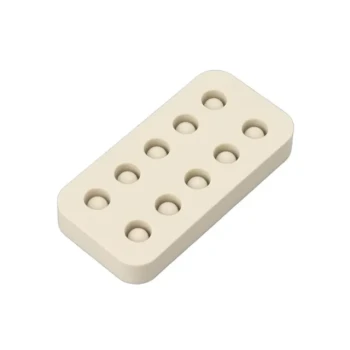
- 10-Cell Silicone Beeswax Bee Queen Cups Forming Mold
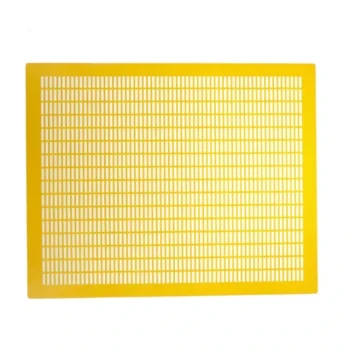
- Professional Plastic Queen Excluder for Modern Beekeeping
- Professional Bucket Style Wasp and Moth Pheromone Trap
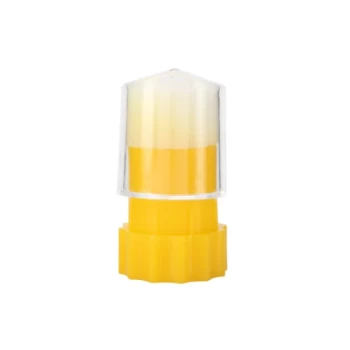
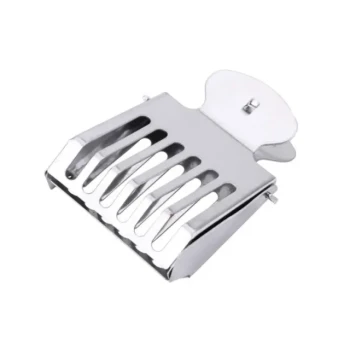
- Plastic Queen Bee Catcher Marker Tube Holder for Queen Marking Bottle
- Premium Nicot Style Cell Bar Holder and Queen Cell Cup Holder System
People Also Ask
- How do beeswax queen cell cups function? Optimize Queen Rearing with Biological Mimicry
- What is the biological function of beeswax queen cell cups? Boost Acceptance in Artificial Queen Rearing
- What role do specialized queen rearing tools play in developing mite-resistant honeybee stock? Master Genetic Selection
- What materials are used to make artificial queen cell cups for grafting? Beeswax vs. Plastic Guide
- What roles do specialized queen cell cups play in royal jelly production? Optimize Your Hive's Secretion and Yield