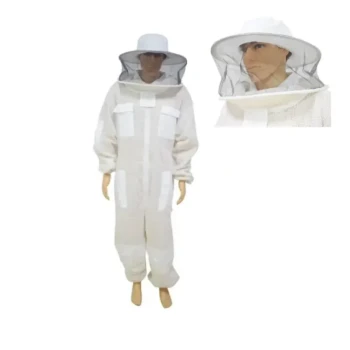
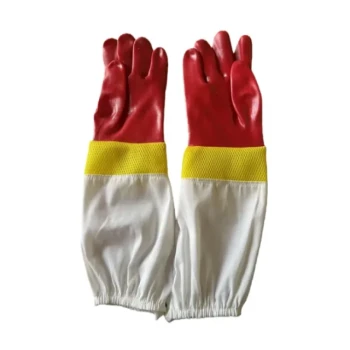
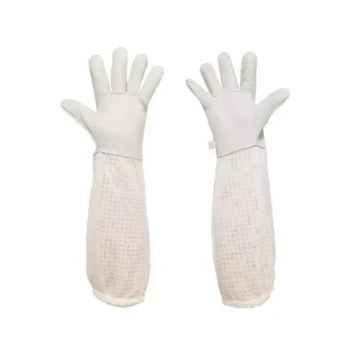
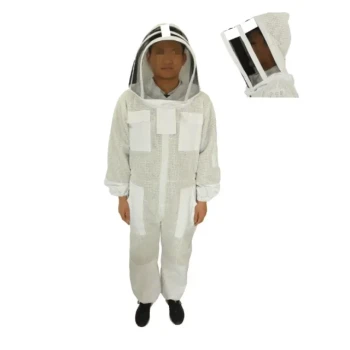
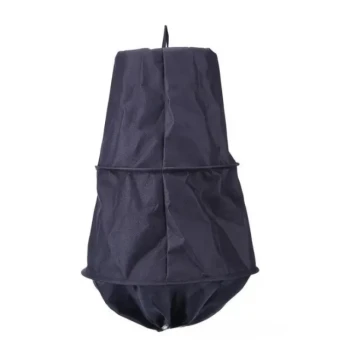
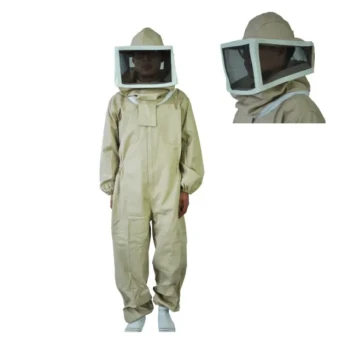
Temperament is the first variable to assess when selecting honey bee protective gear. Calm Caucasian or Carniolan colonies may often be managed with a secure veil, suitable clothing, and light-to-moderate hand protection during routine work. Defensive Africanized, German black, or hybrid colonies—and any colony disturbed during robbing season—justify a full protective suit, heavy-duty gloves, secure veil, and protective footwear.
The more readily a colony mobilizes and pursues an intruder, the more complete and penetration-resistant the protective system must be. Gear selection should reflect not only the bee strain, but also colony behavior, season, task, and the quality of the garment’s fit and seals.
Why Bee Temperament Changes Protective Gear Requirements
Calm colonies generally permit lighter protection
Caucasian and Carniolan bees are commonly associated with relatively gentle behavior under suitable management conditions. For routine inspections of a consistently calm colony, a protective hood or veil may provide the essential protection for the face and neck.
However, “gentle” does not mean incapable of stinging. Weather, queenlessness, disease, rough handling, and forage shortages can change colony behavior quickly.
Defensive colonies can overwhelm basic clothing
Africanized bees, defensive hybrids, and some German black bee colonies may react rapidly when hive boxes are opened. They can emerge in large numbers, pursue an operator, and continue defensive activity beyond the immediate hive entrance.
In these situations, a veil alone leaves too much exposed skin and provides insufficient protection against stings through lightweight or tightly stretched clothing.
Colony behavior matters as much as strain
Strain is a useful planning indicator, but it is not a complete risk assessment. Individual colony genetics, queen status, weather, pests, hive disturbance, and local forage conditions can all influence defensiveness.
Commercial operators should therefore classify colonies by observed behavior and maintain protective options for the most defensive realistic scenario.
Matching Gear to the Risk Level
Basic protection for low-risk routine work
For calm colonies and controlled inspections, the minimum practical setup typically includes:
- A secure veil or hood protecting the face and neck.
- Clothing that does not leave exposed gaps at the wrists, ankles, or collar.
- Gloves suited to the operator’s handling requirements.
- Closed, protective footwear.
A veil should remain securely attached to the jacket or hood. Loose openings around the neck or shoulders can allow bees inside the clothing, where they are more difficult to remove safely.
Full protection for defensive colonies
Defensive strains and highly competitive colonies call for a complete system:
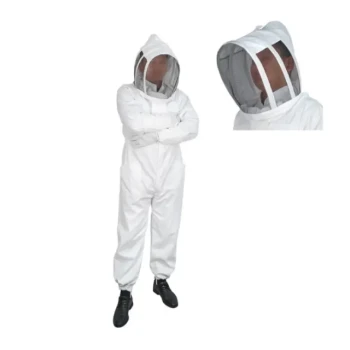
- A full-body beekeeping suit made from durable, ventilated, multi-layer, or otherwise sting-resistant material.
- A rigid or well-supported veil that maintains distance from the face.
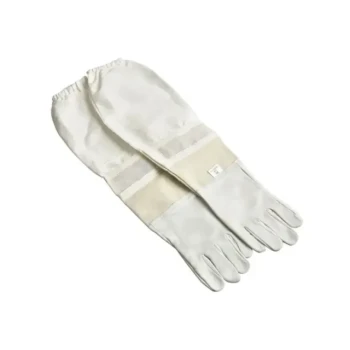
- Heavy-duty gloves with protected cuffs.
- Secure closures at the wrists, ankles, neck, and front opening.
- Protective footwear that overlaps or seals against the suit.
No ordinary beekeeping fabric should be treated as absolutely sting-proof. Layering and maintaining space between the outer fabric and the skin reduce the likelihood that a stinger can reach the operator.
High-risk conditions require maximum coverage
Full coverage becomes especially important during:
- Work with Africanized or highly defensive hybrid colonies.
- Fall periods with increased robbing activity.
- Hive inspections involving extensive frame manipulation.
- Queen management, colony division, or honey harvesting.
- Work involving colonies with a known history of pursuing operators.
For these tasks, distributors and commercial apiaries should prioritize durable, replaceable protective systems rather than relying on a single lightweight garment category.
The Protection System Must Work as a Whole
Veil security is critical
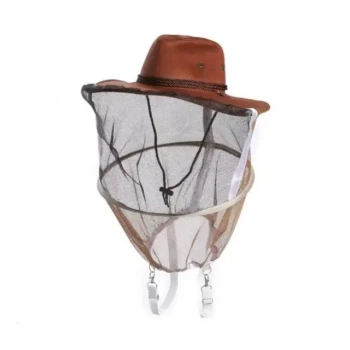
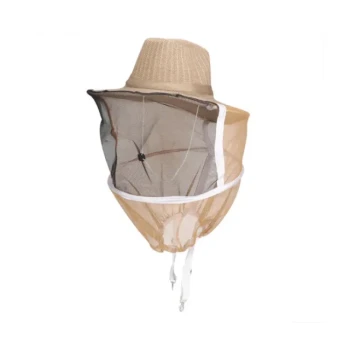
The face, neck, and head are high-priority areas because a bee inside the veil can cause panic and impair visibility. Veils should be rigid enough to stay away from the face and have reliable attachment points.
A well-designed veil is also compatible with the operator’s normal headwear and does not shift during bending, lifting, or frame handling.
Gloves balance safety and dexterity
Heavy-duty gloves provide greater resistance to stinger penetration, particularly when handling frames or working around congested hive entrances. They can, however, reduce tactile sensitivity.
For calm colonies and delicate queen work, some operators may prefer more flexible gloves. For defensive colonies, safety should take precedence over maximum dexterity.
Footwear and closures prevent entry
Bees often exploit gaps rather than penetrate the strongest part of a garment. Trousers should overlap boots or be secured at the ankles, while glove cuffs should overlap sleeve ends.
For professional use, inspect zippers, elastic seals, hook-and-loop fasteners, and stitching as carefully as the fabric itself.
Ventilation improves safe performance
Protective suits can become hot during harvesting and prolonged inspections. Ventilated designs help reduce heat stress, which supports concentration and lowers the chance of hurried movements.
Ventilation should not come at the expense of secure mesh construction, adequate spacing from the skin, or reliable closure integrity.
Defensive Behavior and Apiary Operations
Smoke supports—but does not replace—protective gear
Cool smoke can disrupt alarm communication and help calm bees during inspections. It is an important management tool, particularly when working with defensive colonies.
Smoke should never be treated as a substitute for full personal protective equipment. A colony may remain aggressive despite appropriate smoking, especially when conditions are unfavorable.
Defensive colonies affect labor efficiency
Stinging is a direct safety hazard, but it also interrupts inspections, slows harvesting, and increases worker fatigue. Consistent protective equipment helps teams work more confidently and reduces avoidable downtime.
For commercial operations, standardized gear packages simplify training, replacement, and rapid deployment across different apiaries.
Wild or exceptionally defensive bees require specialist planning
Some wild or semi-wild species, including giant honey bees, have highly organized mass-defense behavior and are not equivalent to ordinary managed colonies. Work involving such populations may require specialized procedures, experienced personnel, and heavier multi-layer protection.
This is a different risk category from routine management of a calm European honey bee colony.
Understanding the Trade-offs
More protection can reduce dexterity
Thicker gloves and full suits improve coverage but may make fine tasks more difficult. Operators should select the highest practical protection level that still allows safe control of frames, tools, and hive components.
For high-risk colonies, reduced dexterity is generally preferable to exposed skin or inadequate clothing.
Heavier garments increase heat burden
Full-body suits and reinforced gloves can become uncomfortable in warm climates or during long harvesting shifts. Ventilation, correct sizing, work-rest scheduling, and spare garments can help manage this limitation.
Distributors serving commercial users should offer multiple suit constructions and sizes rather than a single one-size-fits-all option.
“Sting-proof” claims require caution
Garment performance depends on fabric construction, body pressure, movement, seams, and fit. A stinger may penetrate where material is compressed tightly against the skin, such as at the shoulders or elbows.
Product specifications should therefore describe construction, layering, ventilation, closures, and intended use accurately instead of relying on absolute protection claims.
Overprotection can create false confidence
Even premium gear does not eliminate the need for calm handling, appropriate smoking, escape planning, and inspection of colony behavior. Protective clothing reduces exposure; it does not make an aggressive colony harmless.
How to Apply This to Your Product and Apiary Planning
Protective gear programs should be based on the highest credible risk across the colonies and tasks being served.
- If your primary focus is calm colonies and routine inspections: Stock secure veils, compatible jackets or light suits, flexible gloves, and reliable footwear, while retaining full-coverage options for unexpected changes in temperament.
- If your primary focus is defensive Africanized, hybrid, or highly active colonies: Specify full-body ventilated suits, rigid secure veils, heavy-duty gloves, protected closures, and footwear designed to prevent bee entry.
- If your primary focus is commercial harvesting and high-throughput work: Standardize complete protective kits across workers and maintain replacement veils, gloves, fasteners, and garments to minimize downtime.
- If your primary focus is supplying diverse customers: Offer a full range from basic protective equipment to reinforced professional systems, with rapid availability across sizes, glove types, veil designs, and climate-appropriate suit constructions.
- If your primary focus is worker safety in variable conditions: Select equipment by colony behavior, season, task, and observed risk—not by bee strain name alone.
The right protective system matches the colony’s real defensive behavior while preserving the visibility, mobility, and reliability needed for safe professional beekeeping.
Summary Table:
| Bee Strain | Temperament | Recommended Protection |
|---|---|---|
| Caucasian, Carniolan | Calm | Veil, light clothing, light gloves |
| Africanized, German black | Defensive | Full suit, heavy gloves, secure veil, protective footwear |
| Hybrid or unknown | Variable | Full suit, reinforced closures, heavy gloves |
Equip your apiary with the right protective gear for every colony type. From lightweight veils to full-body suits, HONESTBEE offers a comprehensive range suitable for commercial apiaries and distributors. Our fast response, expert advice, and reliable supply ensure you get the best equipment quickly. Contact us today to discuss your needs and benefit from our one-stop sourcing.
Related Products
- Goatskin Leather Beekeeper Gloves with Vent Long Sleeve for Beekeeping Honey Bee Sting Proof Protection
- Premium Cotton Beekeeper Suit with Reinforced Fencing Veil
- Premium Cowboy Beekeeper Hat with Visibility Veil Outdoor Professional Beekeeping Protective Gear
- White Cotton Beekeeping Jacket and Veil for Bee Keepers
- Beekeeping Jacket with Hood and Veil for Beekeepers
People Also Ask
- What are the characteristics of goatskin beekeeping gloves? Enhance Dexterity and Protection in Your Apiary
- Why is it important to have gloves available even if not always worn? Essential Risk Management for Beekeepers
- What are the primary purposes of using beekeeping gloves? Protect Your Hands and Ensure Apiary Hygiene
- Why do some experienced beekeepers opt not to wear gloves? Discover the Benefits of Tactile Precision
- Why is it important for beekeepers to wear gloves? Essential Safety and Confidence for Hive Management