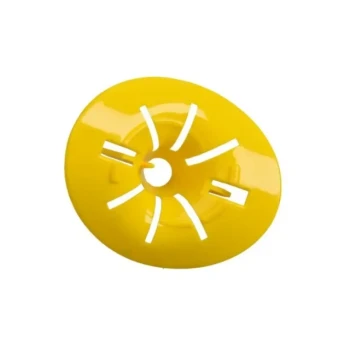
Well-designed pollen traps function by forcing returning field bees to pass through a specific grid or mesh at the hive entrance. As the bees squeeze through these small openings, the physical pressure gently scrapes the pollen pellets from the baskets (corbicula) on their hind legs, causing the loads to drop into a collection tray below. A quality trap typically captures approximately 50% of the incoming pollen, ensuring the hive is not completely cut off from this vital protein source.
Core Insight: A honey bee colony is a reactive system; when a trap reduces pollen intake, the colony compensates by shifting its workforce. Bees convert from nectar foraging to pollen foraging to maintain brood production, often at the expense of honey reserves.
The Mechanics of Pollen Interception
The Grid Interface
The core component of any pollen trap—whether bottom-mounted, top-mounted, or side-opening—is a wire mesh or punched plate. This grid is engineered with specific pore sizes that allow the bee to enter but are too narrow for the pollen pellets attached to their legs to pass through intact.
Non-Invasive Collection
This process provides a clean, high-volume sample of fresh pollen without harming the bees. Because the pollen is stripped mechanically before the bee fully enters the brood nest, it allows for the collection of raw materials essential for environmental monitoring, chemical analysis, or human consumption.
How the Colony Adapts its Foraging Strategy
Detecting the Deficit
When a well-designed trap removes 50% of the incoming pollen, the colony detects a drop in protein reserves. The hive does not passively accept this loss; it actively attempts to restore the balance to support larval development.
Reallocating the Workforce
To compensate for the interception, the colony increases its pollen-gathering efforts. Nectar-foraging bees serve as the swing workforce; the colony redirects these bees to switch tasks and become pollen foragers.
Protection of Brood Rearing
This adaptive behavior ensures that brood production does not suffer. The colony prioritizes the protein required to raise new bees over the accumulation of honey stores.
Operational Trade-offs and Considerations
Reduced Honey Production
The primary downside of this workforce shift is a decrease in nectar collection. With fewer bees dedicated to gathering nectar, the colony produces significantly less honey.
Nutritional Maintenance
If the trap is left on too long, the reduction in nectar intake can lead to a shortage of carbohydrates. Beekeepers often must feed the colony sugar syrup during trapping periods to substitute for the nectar that the diverted foragers are no longer collecting.
Time Limits
To prevent long-term stress on the colony, trapping is rarely continuous. A common best practice is to trap for a limited period, such as one week, before removing or disengaging the trap to allow the hive to return to its normal foraging balance.
Making the Right Choice for Your Goal
Understanding the inverse relationship between pollen trapping and honey production is key to managing your apiary.
- If your primary focus is Pollen Collection: Install the trap for short intervals (e.g., one week) and supplement the hive with syrup to offset the loss of nectar foragers.
- If your primary focus is Honey Production: Avoid using pollen traps during major nectar flows, as the workforce shift will significantly reduce your honey harvest.
- If your primary focus is Brood Health: Rest assured that the colony will naturally prioritize pollen collection to protect the brood, provided the trap allows roughly 50% of pollen to pass through.
By respecting the colony's need to compensate for lost resources, you can harvest pollen effectively without compromising the hive's stability.
Summary Table:
| Feature | Impact/Detail |
|---|---|
| Mechanism | Grid or mesh scrapes pollen pellets from bees' hind legs |
| Capture Rate | Approximately 50% of incoming pollen (ideal balance) |
| Colony Adaptation | Nectar foragers switch to pollen gathering to offset deficit |
| Brood Impact | Prioritized and protected through workforce reallocation |
| Honey Production | Decreased due to fewer bees dedicated to nectar collection |
| Management Tip | Limit trapping to 1 week and supplement with sugar syrup |
Elevate Your Apiary Operations with HONESTBEE
Are you looking to diversify your harvest with high-quality pollen collection? At HONESTBEE, we understand the delicate balance between productivity and colony health. As a premier partner for commercial apiaries and distributors, we provide a comprehensive wholesale range of professional-grade beekeeping tools and machinery.
From precision-engineered pollen traps that protect your brood to industrial honey-filling machines and specialized hive-making equipment, our portfolio covers the full spectrum of modern beekeeping needs. We empower your business with the essential hardware and consumables required to scale efficiently.
Ready to optimize your production? Contact us today to explore our wholesale offerings and discover how our expertise can drive your success in the beekeeping industry.
Related Products
- Removable Plastic Pollen Trap With Ventilated Tray for Bees Pollen Collector
- 30 cm Plastic Entrance Hole Bee Pollen Trap and Collector
- Plastic Bee Pollen Trap Strips Comb Catcher Collector
- 8 Frame and 10 Frame Propolis Trap Collector Screen for Propolis Collection
- Professional Bucket Style Wasp and Moth Pheromone Trap
People Also Ask
- What are the design principles and advantages of pollen traps in the collection of bee pollen? Boost Your Apiary Yield
- What is the function of professional pollen traps in evaluating honey plants? Quantifying Pollination and Crop Potential
- What functions do pollen traps serve for bee bread production? Optimize Your Raw Material Collection
- What maintenance and pest prevention measures should be taken for pollen traps? Protect Your Hive and Harvest Quality
- How does the use of pollen traps in honeybee hives enhance crop fertilization? Boost Your Yield Through Induced Activity