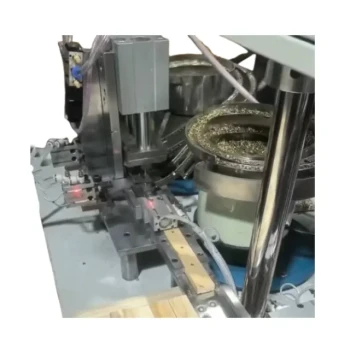
A bee artificial insemination instrument serves as the fundamental control mechanism for breeding high-performance hygienic honeybee strains. By physically bypassing the randomness of natural mating, it allows breeders to exclusively pair virgin queens exhibiting high hygienic performance with drones from colonies possessing identical verified traits.
Natural mating acts as a genetic lottery that frequently dilutes recessive traits like hygienic behavior. Artificial insemination transforms this process into a precise engineering exercise, ensuring 100% pedigree integrity and the permanent stabilization of disease-resistance characteristics within a breeding line.
Eliminating the Variable of Chance
The Limitations of Natural Mating
In a natural environment, a queen mates with multiple drones on the wing. Even in isolated mating stations, the presence of foreign drones cannot be entirely ruled out, introducing genetic variability that undermines specific breeding goals.
Achieving Absolute Pedigree Control
The artificial insemination instrument serves as a barrier against this uncertainty. It enables 100% mating control, ensuring that the sperm source is known, verified, and free from outside genetic interference. This precision is indispensable for "locking in" specific traits that might otherwise be lost through random hybridization.
Stabilizing Hygienic Traits
Directional Selection
Hygienic behavior is often a complex or recessive trait that requires reinforcement from both parents to be expressed in the offspring. The instrument allows for directional selection, where breeders can systematically inject semen from high-hygienic drones into high-hygienic queens.
Establishing Superior Lineages
The primary goal of this technology is not just to create a single good queen, but to build a stable family line. By consistently controlling the genetic input, breeders can stabilize resistance characteristics. This creates a lineage where hygienic behavior is a fixed, predictable trait rather than a random occurrence.
Operational Advantages in Breeding
Overcoming Environmental Constraints
Natural mating is heavily improved or hindered by weather conditions and seasons. The artificial insemination instrument allows for full manual control regardless of the weather, enabling breeding even in unfavorable conditions like early spring.
Enhancing Experimental Reliability
For breeders conducting research on resistance, repeatability is key. High-sensitivity equipment ensures that all experimental queens possess a consistent genetic background, allowing for reliable data on how well the hygienic trait is actually performing.
Understanding the Operational Demands
The Necessity of a Laboratory Setting
Unlike open mating, this process cannot be done casually in the field. It requires a controlled laboratory environment to manage the delicate handling of queens and the precise collection of semen.
The Requirement for Professional Precision
This is not a passive method; it relies heavily on the quality of the hardware and the skill of the operator. Using high-precision instruments is critical to avoid damaging the queen while ensuring the correct volume of semen is delivered to achieve successful fertilization.
Making the Right Choice for Your Goal
To effectively utilize artificial insemination for hygienic breeding, assess your primary objective:
- If your primary focus is Establishing a New Lineage: Prioritize the instrument's ability to exclude all foreign drones to ensure absolute pedigree purity for the first few generations.
- If your primary focus is Production Scheduling: Leverage the equipment's ability to breed regardless of weather to produce queens early in the season before natural drones are abundant.
Ultimately, the artificial insemination instrument is the only tool that converts the breeding of hygienic bees from a game of chance into a reproducible science.
Summary Table:
| Feature | Natural Mating | Artificial Insemination |
|---|---|---|
| Pedigree Control | High variability; 70-90% accuracy | 100% precision control |
| Trait Stabilization | Recessive traits often diluted | Directional selection locks in traits |
| Weather Dependence | High (requires warm, calm days) | None (performed in lab conditions) |
| Genetic Integrity | Risk of foreign drone interference | Zero interference; verified sperm source |
| Breeding Outcome | Random genetic lottery | Reproducible scientific results |
Elevate Your Bee Breeding Precision with HONESTBEE
To develop truly high-performance hygienic strains, professional beekeepers need more than just skill—they need precision hardware. HONESTBEE specializes in supporting commercial apiaries and distributors with a comprehensive range of high-precision beekeeping machinery and tools.
Whether you are looking for advanced artificial insemination instruments to lock in disease-resistant genetics or high-efficiency honey-filling and hive-making machines to scale your operations, we provide the industrial-grade solutions you need. Partner with us to transform your breeding program from a game of chance into a predictable science.
Contact HONESTBEE today for wholesale inquiries and expert equipment solutions
References
- Meral Kekeçoğlu. YIĞILCA BALARISI (Apis mellifera L.)’NIN HİJYENİK DAVRANIŞ BAKIMINDAN PERFORMANSLARININ BELİRLENMESİ VE GELİŞTİRİLMESİ. DOI: 10.31467/uluaricilik.377014
This article is also based on technical information from HonestBee Knowledge Base .
Related Products
- Queen Bee Artificial Insemination Instrument Equipment for Instrumental Insemination
- Plastic Handle Single Row Artificial Fiber Bee Brush
- Retractable Chinese Queen Rearing Grafting Tools Equipment
- Plastic Chinese Queen Grafting Tool for Bee Queen Rearing
- Double Head Beekeeping Grafting Tools for Beekeepers
People Also Ask
- Why is maintaining sanitary conditions important during artificial insemination? Protect Your Queen from Fatal Infections
- Why are artificial insemination instruments critical in bee hybridization? Master Genetic Control & Pure Breeding
- What is the core value of bee artificial insemination instruments in breed improvement? Achieve Precise Genetic Control
- Why is professional bee artificial insemination equipment considered a core tool for genetic control in honeybee breeding? Ensure 100% Purity
- Why is high-purity CO2 used for queen bee artificial insemination? Unlock Precision Breeding & Faster Egg-Laying