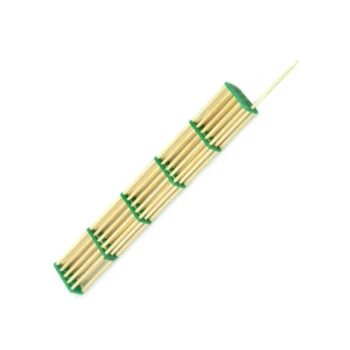
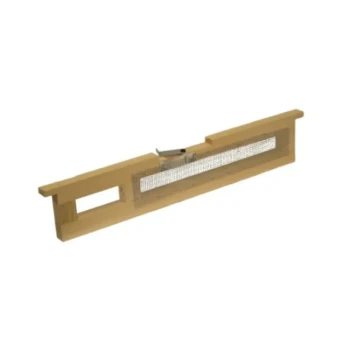
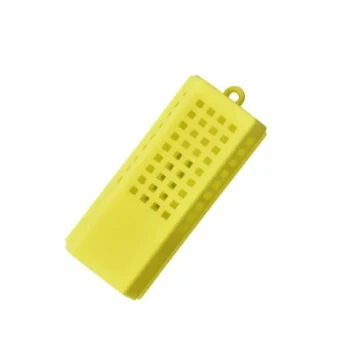
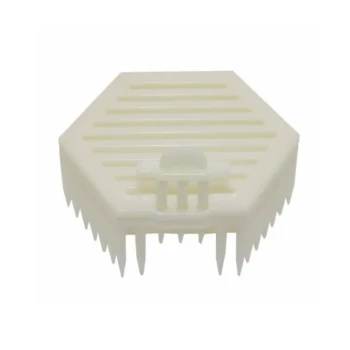
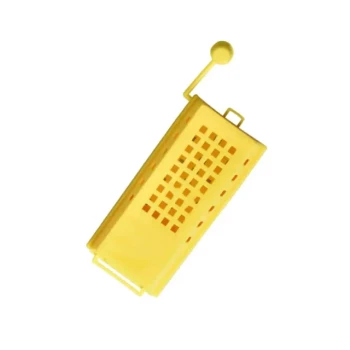
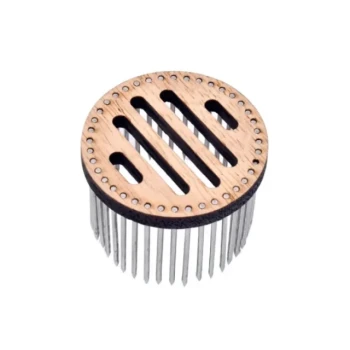
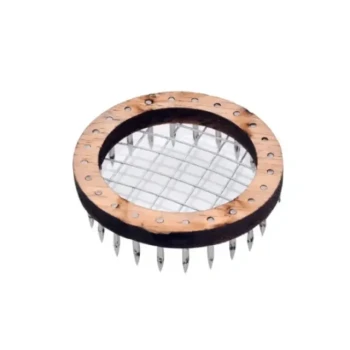
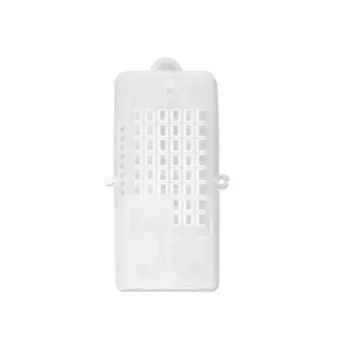
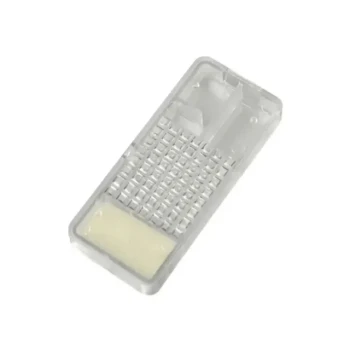
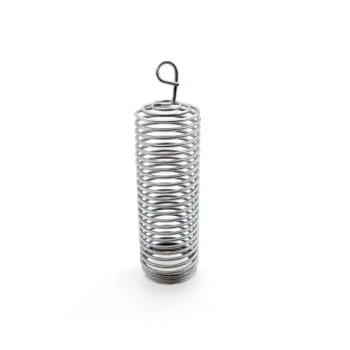
A full-frame confinement cage functions by isolating the queen onto a single, complete honeycomb frame, allowing her to continue laying eggs in a concentrated area. Unlike standard cages, which are typically used to introduce queens or halt egg-laying entirely, the full-frame design is engineered specifically to create a "bait" frame that attracts Varroa mites for physical removal.
The full-frame confinement cage transforms a single frame of brood into a biological trap. By concentrating the queen's egg-laying on one frame, you lure the majority of Varroa mites into those specific cells, allowing for mass removal once the brood is capped.
The Mechanics of the Trapping Comb Method
To understand the difference in function, you must understand the underlying principle of the trapping comb strategy. This method relies on manipulating the biological drives of both the bee and the mite.
Concentrated Egg-Laying
The primary function of the full-frame cage is restriction without cessation. The queen is confined to a specific frame, compelling her to lay eggs exclusively in that area.
This creates a high density of larvae in a single location, rather than spreading the brood throughout the hive.
Exploiting Mite Behavior
Varroa mites have a strong biological preference to reproduce in larval cells. They enter these cells just before the worker bees cap them with wax.
By consolidating the larvae onto one frame, the full-frame cage acts as a magnet. It leverages this preference to lure the majority of the mites in the hive into this specific trapping comb.
The Removal Process
Once the larvae on the confined frame are capped, the mites are trapped inside.
The function concludes with the physical removal and destruction of that single frame. This permanently removes the mites trapped inside from the colony without the use of chemical agents.
Distinguishing the Full-Frame Approach
Standard cages function primarily to protect a queen or stop her from laying (a "brood break"). The full-frame cage functions differently because it is an active removal tool.
Active Trapping vs. Passive Holding
A standard cage isolates the queen but does not provide the surface area required for mass egg-laying. Therefore, it cannot act as a "trap."
The full-frame cage allows the colony's life cycle to continue on a specific frame, turning that frame into a disposal unit for parasites.
Large-Scale Mite Reduction
Because the full-frame cage maximizes the number of available larval cells for mites to enter, it achieves large-scale mite reduction.
Standard cages may lower mite numbers by preventing reproduction, but they do not actively gather and remove existing mites from the system in the same way.
Understanding the Trade-offs
While the full-frame confinement cage offers a chemical-free solution, it operates on a principle of sacrifice.
Loss of Brood
This method requires the destruction of the trapping frame.
You are intentionally sacrificing a generation of developing bees on that specific frame to eliminate the mites parasitizing them. This is a resource cost the beekeeper must accept.
Strict Management Requirements
The success of this function relies on precise timing.
If the frame is not removed after capping but before the bees emerge, the "trap" fails, and you will release a concentrated population of mites back into the hive.
Making the Right Choice for Your Goal
The full-frame confinement cage is a specialized tool for a specific strategy. Here is how to decide if it aligns with your objectives:
- If your primary focus is non-chemical mite control: This method allows for significant mite load reduction without introducing pesticides to the hive.
- If your primary focus is active mite removal: Use this full-frame approach to physically extract mites from the colony, rather than simply pausing their reproduction.
By controlling where the queen lays, you control where the mites go—turning their own biology against them.
Summary Table:
| Feature | Standard Cage | Full-Frame Confinement Cage |
|---|---|---|
| Primary Purpose | Queen introduction or brood breaks | Active Varroa mite trapping and removal |
| Egg-Laying | Halted or extremely restricted | Concentrated on one full honeycomb frame |
| Mite Impact | Passive (stops reproduction) | Active (lures and extracts mites) |
| Hive Management | Low intensity | High (requires precise removal timing) |
| Outcome | Queen safety/population pause | Physical removal of mites via brood sacrifice |
Elevate Your Mite Management Strategy with HONESTBEE
Are you looking to implement effective, chemical-free Varroa control in your commercial operations? HONESTBEE specializes in supporting commercial apiaries and distributors with high-quality beekeeping equipment designed for efficiency.
From specialized full-frame confinement cages and hive-making machinery to honey-filling systems, we provide the full spectrum of tools and consumables you need to scale your business. Partner with us to access wholesale pricing and industry-leading hardware.
Ready to upgrade your inventory? Contact us today to explore our comprehensive wholesale offerings!
References
- Marco Lodesani, Raffaele Dall’Ollio. Evaluation of early spring bio-technical management techniques to control varroosis in Apis mellifera. DOI: 10.1007/s13592-018-0621-z
This article is also based on technical information from HonestBee Knowledge Base .
Related Products
- Professional Bamboo Queen Isolation Cage
- Professional Wooden Requeening Frame for Beekeeping
- Professional Multi-Compartment Queen Cage with Sliding Lid
- Hexagonal Direct Comb Introduction Queen Bee Cage
- Professional Queen Cage with Sliding Gate and Feeder Plug
People Also Ask
- Why are specialized queen bee cages used for the banking of mated queen bees? Maximize Commercial Apiary Storage Efficiency
- What is the mechanism of action for using temporary queen bee cages? Master Successful Queen Introduction
- How does the side ventilation design of a queen bee cage impact the safety of the queen during long-distance transport?
- What should you do if the queen is still in the cage and the worker bees have not accepted her? Protect Your Colony from Queen Rejection
- What technical precaution must be taken regarding the mesh or grill side of a queen bee cage? Ensure Queen Survival