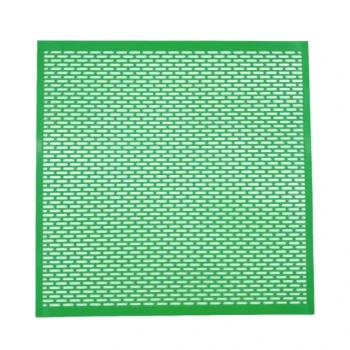
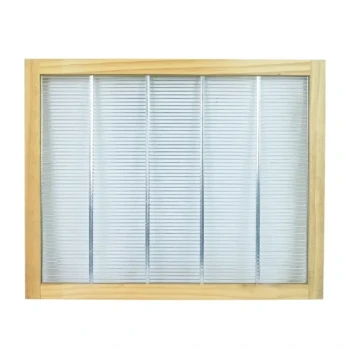
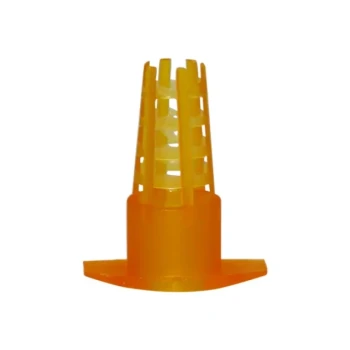
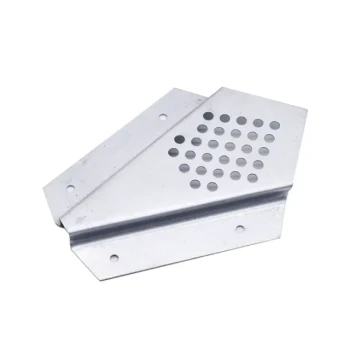
A queen excluder serves as a precise filtration mechanism within the hive. It functions by placing a physical grid between the lower brood box and the upper honey supers, featuring specific spacing that allows smaller worker bees to pass through while blocking the larger-bodied queen. In a single-story brood chamber system, this effectively quarantines the queen in the bottom box, preventing her from laying eggs in the honey stores above.
By restricting the queen to the lower chamber, you ensure that honey supers remain free of brood, which simplifies harvesting and pest control. However, this barrier creates a mechanical obstruction that can be fatal to the colony if left in place during colder months.
The Mechanics of Exclusion
Leveraging Body Size
The device relies entirely on the physical size difference between castes. The grid spacing is engineered to be just wide enough for worker bees to traverse freely to store nectar and pollen.
Confining the Laying Area
Because the queen is physically larger, she cannot squeeze through the grid. In a single-story setup, this confines all egg-laying activities to the bottom brood box. This separation is the fundamental principle of this management style.
Operational Advantages
Ensuring Honey Purity
The primary goal of using an excluder is to keep the upper "supers" (boxes used for honey storage) free of brood. This separation guarantees that when you harvest, you are collecting pure honey rather than a mix of honey, larvae, and eggs.
Simplifying Hive Inspections
When the queen is restricted to a single story, you eliminate the need to search through upper boxes to find her. This makes routine inspections faster and less disruptive to the colony.
Enhancing Pest Control
With a defined brood area, applying treatments or managing pests becomes more targeted. You can focus your efforts on the single bottom chamber where the vulnerable brood is located.
Critical Risks and Trade-offs
The Winter Hazard
While beneficial during the honey flow, a queen excluder becomes a deadly trap during winter. As temperatures drop, the colony forms a tight cluster to conserve heat.
Understanding Cluster Migration
To survive winter, the bee cluster migrates upward and laterally, consuming stored honey as they go. The queen must move with this cluster to stay warm and fed.
The Consequence of Neglect
If the excluder is left in place, the worker bees will eventually move through the grid to access food in the upper supers. The queen, physically blocked by the barrier, will be left behind in the cold lower box. She will eventually freeze or starve to death, resulting in the loss of the colony.
Making the Right Choice for Your Management Cycle
To effectively utilize a queen excluder in a single-story system, you must align its usage with the seasons.
- If your primary focus is clean honey production: Install the excluder during the active nectar flow to force the queen to stay low and keep your supers pure.
- If your primary focus is colony survival: You must remove the excluder before winter arrives to allow the queen to migrate upward with the cluster to access food.
Successful pollination management requires using the excluder as a temporary seasonal tool, not a permanent fixture.
Summary Table:
| Feature | Function in Single-Story Management | Key Benefit |
|---|---|---|
| Grid Spacing | Permits worker bees; blocks larger queens | Confines egg-laying to bottom box |
| Honey Purity | Keeps brood and larvae out of honey supers | Simplifies harvest and ensures quality |
| Inspection | Restricts queen search area to one chamber | Reduces labor and colony disruption |
| Pest Control | Concentrates brood in a defined area | Enables targeted treatment application |
| Winter Risk | Blocks queen from upward cluster migration | Requires removal to prevent colony loss |
Maximize Your Apiary Productivity with HONESTBEE
Efficient pollination management starts with the right tools. At HONESTBEE, we specialize in supporting commercial apiaries and distributors with a complete range of professional-grade beekeeping solutions. Whether you need precision-engineered queen excluders, durable hive-making machinery, or high-capacity honey-filling systems, our wholesale portfolio is designed to scale your operations.
From essential industry consumables to specialized hardware and honey-themed merchandise, we provide the expertise and equipment you need to succeed in the competitive beekeeping market.
Ready to upgrade your commercial setup? Contact us today to discuss your wholesale needs!
References
- Lynae P Ovinge, Shelley E. Hoover. Comparison of Honey Bee (Hymenoptera: Apidae) Colony Units of Different Sizes as Pollinators of Hybrid Seed Canola. DOI: 10.1093/jee/toy155
This article is also based on technical information from HonestBee Knowledge Base .
Related Products
- High Performance Plastic Queen Excluder for Beekeeping and Apiary Management
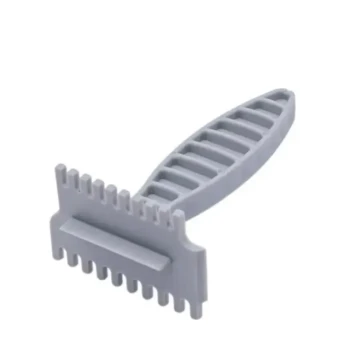
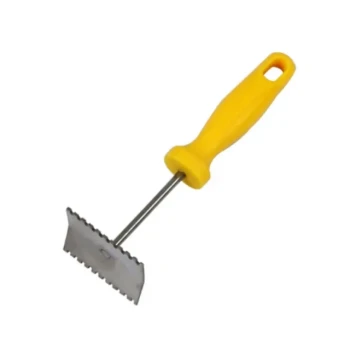
- Lightweight Durable Plastic Queen Excluder Scraper for Beekeeping
- Premium Wood Framed Metal Wire Queen Bee Excluder
- Professional Plastic Queen Excluder for Modern Beekeeping
- Metal Queen Bee Excluder for Beekeeping
People Also Ask
- What are the characteristics of a plastic queen excluder? Key Benefits for Cost-Effective Beekeeping
- What are the operational and cost advantages of using plastic queen excluders over metal or wire excluders in commercial hive management? Discover how they reduce labor, prevent wing damage, and lower total costs.
- What types of queen excluders are available for beekeepers? Choose the Right Tool for Your Hive
- Why are standardized hive frames and queen excluders essential for maintaining honey purity and quality? Scale Your Purity
- Do plastic queen excluders work? A Cost-Effective Solution for Modern Apiaries