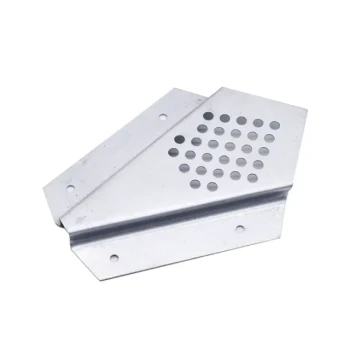
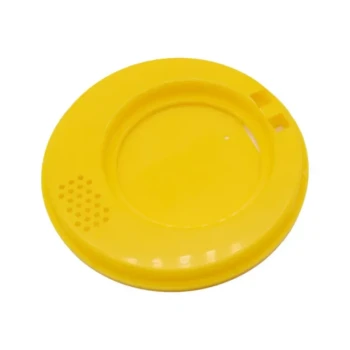
A queen excluder is primarily designed as a precise physical barrier composed of a perforated sheet of metal or plastic, or a wire grid often set within a frame. Regardless of the material, the device relies on a strict opening size of approximately 0.163 inches (4.1 mm) to allow worker bees to pass through while blocking the larger queen.
The effectiveness of a queen excluder relies on the precision of its manufacturing. Whether using wire or flat sheets, the design must maintain rigid spacing to ensure the queen remains confined without hindering the flow of worker bees.
Common Material Compositions
Metal Constructions
Metal is a traditional and highly durable choice for excluders. These are typically manufactured using welded wire, which may be galvanized or made of stainless steel to resist rust and environmental wear over multiple seasons.
Plastic Alternatives
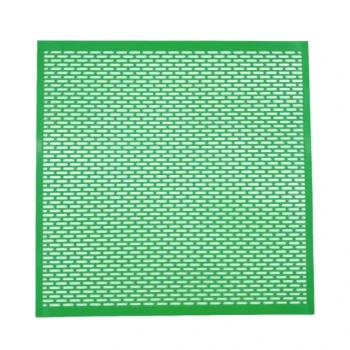
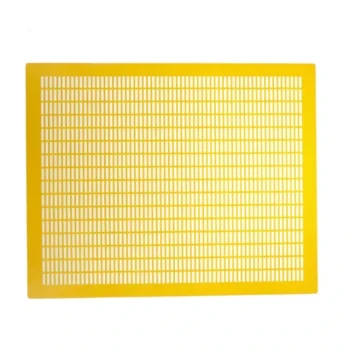
Modern beekeeping frequently utilizes plastic excluders. These are generally produced as flat sheets with stamped slots. Plastic offers a lightweight alternative, though its longevity depends on the quality of the polymer used.
The Role of Wood
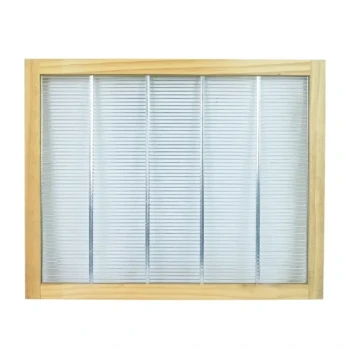
While the barrier itself is metal or plastic, wood plays a structural role. High-quality wire grid excluders are often bound in a wooden frame, which provides stability and proper spacing between hive boxes.
Design Architectures
Wire Grid Systems
This design consists of a series of parallel wires spaced precisely apart. These grids are often preferred for their high ratio of open space, which minimizes congestion for worker bees moving through the hive.
Perforated Sheets
Perforated designs act as a flat screen made from a single sheet of metal or plastic. Instead of wires, these feature punched slots or holes.
#5 Hardware Cloth
A specific, accessible material option is #5 hardware cloth. This is a wire mesh screen where the specific mesh size (five openings per inch) naturally provides the correct exclusion dimensions.
Understanding the Trade-offs
Durability Factors
Metal excluders, particularly stainless steel, offer superior longevity. They withstand scraping and cleaning better than plastic, which may become brittle or warp over time due to hive temperatures and propolis buildup.
Precision and Tolerance
The critical dimension of 0.163 inches (4.1 mm) must be maintained rigidly. Flexible materials like thin plastic or lower-grade wire mesh can sometimes deform, accidentally allowing the queen to pass or restricting workers.
Airflow and Transit
Wire grids generally offer less resistance to air and bee movement than perforated sheets. Perforated sheets consist of more solid material, which can slightly impede ventilation and create a bottleneck for heavy worker traffic.
Making the Right Choice for Your Goal
Selecting the right excluder depends on balancing cost against the operational efficiency of your apiary.
- If your primary focus is longevity and durability: Choose a bound metal wire excluder (stainless or galvanized), as it withstands years of scraping and environmental exposure.
- If your primary focus is cost-effectiveness: Consider plastic sheets, which function effectively as modern standard equipment but may require more frequent replacement.
- If your primary focus is DIY utility: Utilize #5 hardware cloth, which naturally provides the correct spacing and can be cut to fit custom hive configurations.
The best excluder is one that maintains its precise dimensions season after season, ensuring the queen stays where she belongs.
Summary Table:
| Material/Design | Key Features | Primary Benefit |
|---|---|---|
| Welded Wire (Metal) | Galvanized or stainless steel grids | Superior durability and maximum bee transit |
| Plastic Sheets | Lightweight polymer with stamped slots | Cost-effective and easy to handle |
| #5 Hardware Cloth | Mesh with 5 openings per inch | Ideal for DIY and custom hive setups |
| Wooden Frames | Structural binding for wire grids | Provides stability and proper hive spacing |
Elevate Your Commercial Apiary with HONESTBEE
At HONESTBEE, we understand that precision is the backbone of a productive honey harvest. Whether you are a large-scale commercial apiary or a global distributor, our comprehensive wholesale offering provides you with the high-performance tools your business demands. From precision-engineered metal and plastic queen excluders to advanced honey-filling machines and hive-making equipment, we supply the full spectrum of beekeeping hardware and essential industry consumables.
Why partner with HONESTBEE?
- Durable Construction: Our equipment is built to withstand the rigors of industrial beekeeping.
- Wholesale Efficiency: Competitive pricing on bulk orders of tools and machinery.
- Full Spectrum Support: We offer everything from specialized hardware to honey-themed cultural merchandise.
Ready to scale your production? Contact us today to discover how HONESTBEE can streamline your operations and deliver the quality your bees deserve!
Related Products
- High Performance Plastic Queen Excluder for Beekeeping and Apiary Management
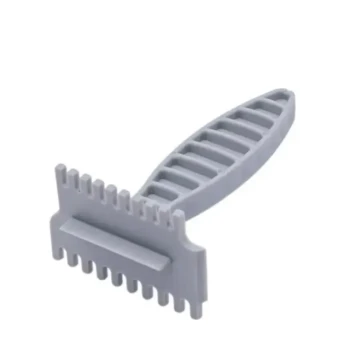
- Lightweight Durable Plastic Queen Excluder Scraper for Beekeeping
- Premium Wood Framed Metal Wire Queen Bee Excluder
- Professional Plastic Queen Excluder for Modern Beekeeping
- Metal Queen Bee Excluder for Beekeeping
People Also Ask
- What are the characteristics of a plastic queen excluder? Key Benefits for Cost-Effective Beekeeping
- What are the operational and cost advantages of using plastic queen excluders over metal or wire excluders in commercial hive management? Discover how they reduce labor, prevent wing damage, and lower total costs.
- What types of queen excluders are available for beekeepers? Choose the Right Tool for Your Hive
- Why are standardized hive frames and queen excluders essential for maintaining honey purity and quality? Scale Your Purity
- Do plastic queen excluders work? A Cost-Effective Solution for Modern Apiaries