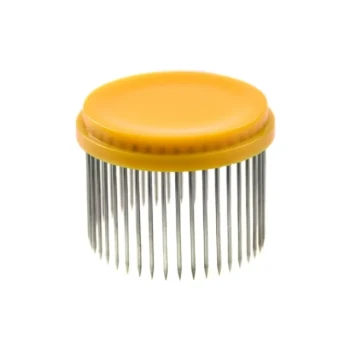
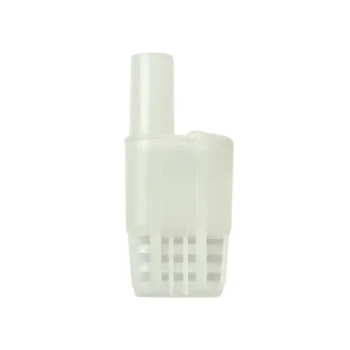
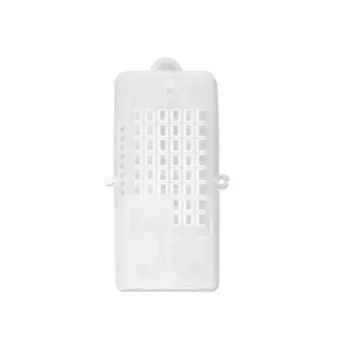
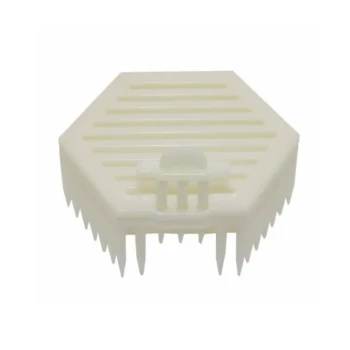
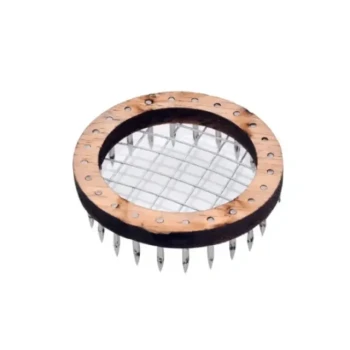
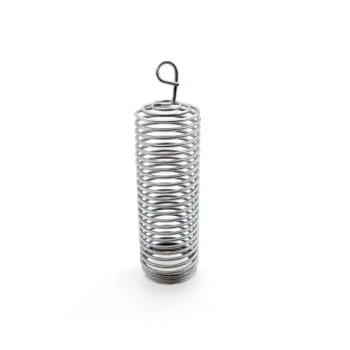
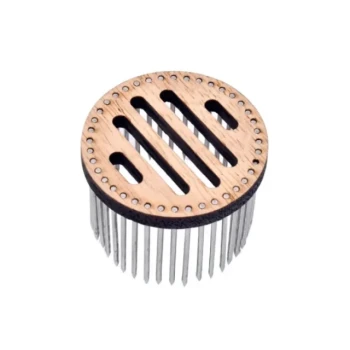
A specialized queen caging tool acts as a biological force multiplier by temporarily isolating the queen to halt egg-laying without disrupting the colony's social structure. By confining the queen behind a specific grid that allows worker bees to pass but restricts her movement, the tool induces a brood-less state for approximately 25 days, effectively flushing Varroa mites out of their hiding spots.
The caging tool does not kill the mites directly; rather, it eliminates their sanctuary. By creating a temporary break in the brood cycle, it forces the entire mite population onto adult bees, creating the ideal physical conditions for chemical treatments to achieve near-total eradication.
The Mechanics of Induced Brood Interruption
Precision Grid Architecture
The core feature of this tool is a specifically designed grid. The spacing is calibrated to be too narrow for the queen bee to exit, stopping her from laying eggs in the comb.
Maintaining Social Cohesion
Crucially, the grid allows smaller worker bees to enter and exit freely. This ensures the queen remains fed and groomed, preventing the colony from rejecting her or feeling "queenless" during the isolation period.
The 25-Day Critical Window
The tool is typically used to create a brood-less state lasting roughly 25 days. This duration is calculated to allow all existing eggs and larvae in the hive to mature and emerge, leaving the hive completely empty of sealed brood cells.
Exposing the Parasite
Eliminating Mite Refuges
Varroa mites rely on sealed brood cells to reproduce and hide from many treatments. By stopping egg-laying, the caging tool eventually removes all sealed brood from the hive.
Forcing Phoretic Migration
Without brood cells to inhabit, surviving mites are forced to migrate onto the bodies of adult bees (the phoretic stage). This brings 100% of the mite population out of the comb structure and into an exposed environment.
Synergy with Chemical Treatments
Maximizing Treatment Surface Area
Once mites are exposed on adult bees, they are highly vulnerable to contact-based interventions. This creates the optimal environment for applying specialized miticides or acaricide strips.
Enhancing Chemical Efficiency
Because there are no mites hidden under wax cappings, the efficacy of subsequent treatments increases significantly. This ensures that the chemical consumables used can target the population effectively across the board, rather than missing mites protected inside cells.
Understanding the Trade-offs
The Tool Is Not the Cure
It is critical to understand that the caging tool is a facilitator, not a solution in itself. It creates the condition for success, but it must be followed by a precise application of high-quality miticides or fumigation to actually eliminate the parasites.
Reliance on Equipment Quality
Using this method requires adherence to strict equipment standards. Just as low-quality smoke sticks can contaminate honey, poor caging tools could potentially harm the queen or fail to exclude her properly; professional-grade equipment is essential for biosecurity.
Making the Right Choice for Your Goal
To effectively utilize queen caging in your commercial operation, consider your specific objectives:
- If your primary focus is maximizing mite kill-rates: Combine the 25-day caging period immediately with a specialized acaricide or fumigation treatment while the colony is brood-less.
- If your primary focus is long-term colony stability: Use this tool as a seasonal reset button to clear mite loads before critical foraging or overwintering periods, preventing the transmission of viruses.
By mechanically synchronizing the colony's brood cycle, you transform a complex pest management challenge into a controlled, highly vulnerable target.
Summary Table:
| Feature | Function in Varroa Control | Commercial Benefit |
|---|---|---|
| Precision Grid | Restricts queen movement while allowing worker access | Maintains colony social cohesion and queen health |
| Brood Interruption | Halts egg-laying for a 25-day cycle | Eliminates mite refuges in sealed brood cells |
| Phoretic Exposure | Forces mites onto adult bee bodies | Maximizes mite vulnerability to contact treatments |
| Synergy Potential | Optimizes environment for miticides | Increases chemical efficiency and ROI on consumables |
Elevate Your Apiary's Biosecurity with HONESTBEE
As a dedicated partner to commercial apiaries and global distributors, HONESTBEE understands that precision is the key to parasite management. Our high-grade queen caging tools are engineered for durability and queen safety, serving as the essential foundation for your Varroa control strategy. Beyond specialized hardware, we provide a comprehensive wholesale offering—from hive-making and honey-filling machinery to the critical industry consumables you need to maintain peak productivity.
Ready to scale your operation with professional-grade beekeeping equipment? Contact HONESTBEE today to explore our full spectrum of tools and discover how our wholesale solutions can drive value for your business.
References
- Aleš Gregorc, Ivo Planinc. Sustainable varroa mite (Varroa destructor) control in field conditions. DOI: 10.2754/avb202291040401
This article is also based on technical information from HonestBee Knowledge Base .
Related Products
- Professional Queen Catcher and Introduction Queen Cage
- One Hand Yellow Queen Marking Catcher Tube Cage Beekeeper Tool Accessory for Queen Bee
- Queen Bee Marking Tube Cage Bottle Catcher Holder with Clear Plastic Plunger Marker
- Plastic Long Marker Device for Catching and Marking Bees Queen Bee Marking Tube and Cage
- Professional Queen Bee Introduction and Transport Cage
People Also Ask
- What is a queen catcher and what is it used for? Essential Tool for Safe Queen Handling
- What role does a queen catcher play in the hive splitting process? Ensure Colony Safety & Precise Hive Management
- What is the purpose of a queen catcher in beekeeping? Safely Handle Your Queen Bee
- What role do queen excluders and queen cages play in the synchronization of honeybee developmental stages? Master Timing.
- How are queen cages used to protect newly hatched queens? Secure Your Virgin Queens During Development