A standard hive box functions primarily as a physical buffer, creating a distinct microclimate separate from the external environment. Specifically, the presence of an empty hive box alone acts as a boundary that increases internal humidity levels by approximately 3 percent compared to the outside air, establishing the baseline conditions necessary for the colony to manage its ecosystem.
The hive box provides the stage, but the bees perform the play. While the physical structure offers a contained environment with slightly elevated humidity, it serves as the foundation for adult worker bees to actively regulate the microclimate through biological behaviors to achieve true homeostasis.
The Physical Role of the Hive Structure
The Boundary Effect
The primary function of the hive box is to act as a physical enclosure. By separating the colony from the open air, it creates a "buffer space." This separation is the first line of defense against rapid environmental fluctuations.
The Passive Humidity Boost
Even without the presence of bees, the box itself impacts the internal atmosphere. Primary research indicates that an empty hive box naturally maintains an internal humidity roughly 3 percent higher than the external environment. This provides a head start for the colony's moisture requirements.
Standardization and Stability
Standard hive boxes (such as Langstroth configurations) provide a consistent volume for the colony. This fixed space allows the internal environment to remain relatively stable, rather than fluctuating wildly with the wind or weather.
Enabling Biological Regulation
Foundation for Active Control
While the box provides the passive baseline, the bees perform the "active" regulation. The enclosed nature of the box allows worker bees to modify humidity effectively. Without this containment, their efforts to fan air or evaporate water would dissipate immediately into the atmosphere.
The Impact of Population Density
The design of the hive box influences the density of the bee population. Optimized structures that support higher population densities enable the colony to control the physical environment more efficiently. A dense population within a well-engineered box leads to superior biological productivity and environmental control.
Managing Moisture and Airflow
The Critical Role of the Cover
While the box sides contain the air, the hive cover is essential for vertical moisture management. A proper cover retains necessary heat but, critically, facilitates ventilation through top openings.
Preventing Condensation
Humidity regulation is a balance: the colony needs moisture, but not saturation. The hive structure must allow excess moisture to escape to prevent condensation. If water droplets form and drip onto the bees—particularly in winter—it can chill and kill the colony.
Understanding the Trade-offs
Insulation vs. Ventilation
A common pitfall in hive management is prioritizing insulation to the point of sealing the hive too tightly. While this retains heat, it traps metabolic moisture produced by the bees. This excess humidity can lead to mold growth or lethal condensation ("raining" inside the hive).
Volume vs. Colony Strength
The volume of the hive box must match the strength of the colony. If a small colony is placed in a large, multi-box setup, the "buffer" becomes too vast for the bees to regulate. The passive 3% humidity increase provided by the box is insufficient if the bees cannot actively manage the remaining volume.
Making the Right Choice for Your Goal
When selecting or configuring hive boxes, your approach should change based on your specific objectives.
- If your primary focus is Colony Health & Overwintering: Prioritize hive covers and setups that offer upper ventilation to prevent condensation, as cold moisture is more dangerous than cold air.
- If your primary focus is Research & Comparative Analysis: Utilize standard 18-frame hive configurations to balance colony strength, ensuring that any variations in health are due to environmental stressors rather than structural differences.
- If your primary focus is Production & Expansion: Ensure your hive materials provide adequate insulation to stimulate queen egg-laying, which increases population density and the workforce available for resource gathering.
Ultimately, the hive box is a tool that amplifies the biological capability of the bees, turning a fragile cluster of insects into a resilient, self-regulating superorganism.
Summary Table:
| Feature | Impact on Humidity Regulation | Key Benefit |
|---|---|---|
| Physical Boundary | Creates a 3% passive humidity boost | Establishes a stable baseline microclimate |
| Standard Volume | Stabilizes air volume vs. external wind | Prevents rapid environmental fluctuations |
| Hive Cover/Vent | Facilitates vertical airflow | Prevents lethal condensation and mold |
| Insulation | Retains metabolic heat and moisture | Stimulates egg-laying and colony growth |
Maximize Your Colony Productivity with HONESTBEE
As a leading partner for commercial apiaries and distributors, HONESTBEE understands that the right equipment is the foundation of a thriving honey business. We provide a comprehensive wholesale range of beekeeping tools, specialized hive-making machinery, and honey-filling equipment designed to maintain perfect environmental control.
Whether you need precision-engineered hardware or essential industry consumables, our portfolio empowers you to scale operations and improve bee health. Contact us today to discover how our wholesale solutions and honey-themed cultural merchandise can add value to your business.
References
- Zhiyong Li, Bingzhong Ren. Drone and Worker Brood Microclimates Are Regulated Differentially in Honey Bees, Apis mellifera. DOI: 10.1371/journal.pone.0148740
This article is also based on technical information from HonestBee Knowledge Base .
Related Products
- Langstroth Honey Bee Box Hive Boxes for Different Depths
- Metal Bee Hive Stand Bee Box Stand for Beekeeping
- Australian Langstroth Beehive Boxes for Beekeeping Wholesales
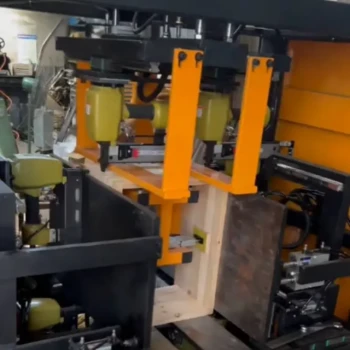
- Automatic High-Speed Bee Hive Box Stapling Machine
- Styrofoam Mini Mating Nuc Box with Frames Feeder Styrofoam Bee Hives 3 Frame Nuc Box
People Also Ask
- What role do standardized Langstroth boxes play in commercial apiary management and honey bee research? | HONESTBEE Guide
- What are the differences between the three standard depths of Langstroth boxes? Choose the Best Size for Your Apiary
- What are the primary advantages of using standardized Langstroth boxes? Scale Your Commercial Beekeeping Operation
- What features of Langstroth hive boxes contribute to expandability and honey yield? Maximize Your Apiary Production
- What are the typical uses for the different box sizes in a Langstroth hive? Master Hive Management & Efficiency