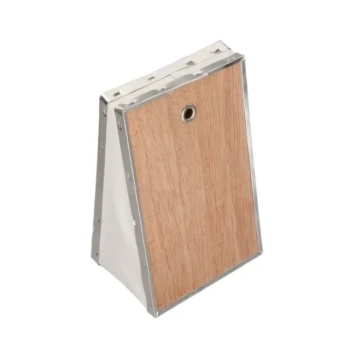
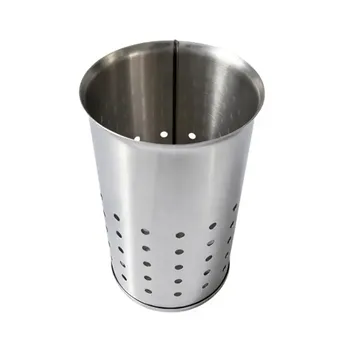
A traditional bee smoker operates by maintaining a low-temperature fire within a metal chamber where the oxygen supply is intentionally restricted. When the operator squeezes the attached bellows, a focused burst of fresh air is forced into the base of the chamber, accelerating the smoldering process and expelling a stream of smoke through the nozzle.
The smoker acts as a controlled combustion device that balances oxygen restriction with forced airflow. Its primary function is to convert solid fuel into "cool smoke" on demand, masking alarm pheromones and physically impairing the bees' ability to sting.
The Mechanics of Combustion
The Smoldering State
The core of the smoker is the fire chamber, typically a stainless steel canister. Once the fuel (such as cardboard or dry leaves) is lit, the design of the canister restricts the natural flow of oxygen. This prevents the fuel from burning with an open flame, keeping it in a state of slow smoldering.
The Airflow Mechanism
The bellows serve as a manual air pump. When squeezed, air is forced into the chamber from the bottom. This air travels upward through the ignited fuel, feeding the embers just enough to generate a thick plume of smoke without igniting a large fire.
Directional Control
The pressure from the bellows pushes the smoke up and out through the spout or nozzle. This allows the beekeeper to direct the smoke precisely into the hive entrance or across the frames, keeping the application controlled and effective.
The Biological Impact
Triggering the Survival Instinct
The presence of smoke simulates the scent of a nearby wildfire. This triggers an evolutionary response where honeybees instinctively gorge on honey to prepare for potential hive abandonment.
Physical Inhibition
When bees consume large amounts of honey, their stomachs become full and distended. This makes it physically difficult for them to tip their abdomens upward, which is the necessary posture for stinging.
Masking Chemical Signals
Guard bees release alarm pheromones to alert the colony of a threat. The smoke effectively masks these chemical scents, preventing the alarm signal from spreading and keeping the colony in a docile state.
Operational Principles for Safety
The Importance of Cool Smoke
The device is designed to produce cool smoke, not heat. If the bellows are pumped too aggressively or the fuel burns too quickly, the smoke can become hot enough to singe the bees' wings or bodies, causing harm rather than calm.
Correct Fuel Arrangement
For the smoker to operate efficiently, the flame must be positioned below the fuel source, not on top of it. This ensures that the air from the bellows pushes the heat up through the unburnt material, maintaining a consistent, cool burn.
Making the Right Choice for Your Goal
To use a bee smoker effectively, you must balance mechanical operation with biological awareness.
- If your primary focus is mechanical efficiency: Ensure you light the fire at the bottom of the chamber so the airflow travels upward through the fuel stack.
- If your primary focus is colony safety: Use the bellows gently to verify the smoke remains cool to the touch before directing it into the hive.
Mastering the airflow allows you to control the colony's behavior without causing them distress.
Summary Table:
| Component | Primary Function | Impact on Operation |
|---|---|---|
| Fire Chamber | Houses fuel and restricts oxygen | Maintains smoldering state rather than open flames |
| Bellows | Manual air pump | Forces air into the base to generate smoke on demand |
| Nozzle/Spout | Directional outlet | Focuses smoke onto specific hive areas for precision |
| Fuel Source | Raw material (e.g., cardboard) | Determines smoke thickness and temperature |
| Thermal Shield | Protective outer cage | Prevents the operator from accidental burns during use |
Elevate Your Beekeeping Operations with HONESTBEE
For commercial apiaries and professional distributors, the right equipment is the difference between a productive season and a difficult one. HONESTBEE provides a comprehensive wholesale catalog of premium beekeeping tools, from traditional smokers and specialized hardware to advanced hive-making and honey-filling machinery.
Whether you are scaling your honey production or stocking your distribution channels with high-quality consumables and honey-themed merchandise, we deliver the reliability and expertise your business deserves.
Ready to streamline your apiary's efficiency? Contact us today to discuss our wholesale offerings and discover how our end-to-end equipment solutions can grow your honey business.
Related Products
- Premium Traditional Copper Bee Smoker with Bellows
- Stainless Steel Honey Bee Smoker Hive and Honeycomb Smoker for Beekeeping
- Professional Bee Smoker with Elongated Spout and Durable Bellows for Beekeeping
- Stainless Steel Bee Hive Smoker Beekeeping Smoker for Wholesale
- Heavy Duty Manual Bee Smoker Blower for Beekeeping
People Also Ask
- How do bee smokers equipped with bellows contribute to colony management? Master Pheromone Control for Healthier Hives
- What are bee smokers made out of? Choose the Right Material for Your Apiary
- What key design features should be prioritized when selecting a professional bee smoker for apiary management? Prioritize Safety, Durability, and Smoke Control
- How does a bee smoker improve safety and efficiency during hive management? Master Colony Control with HONESTBEE
- What are some common tools for managing a beehive? Essential Tools for Safe & Efficient Apiary Management