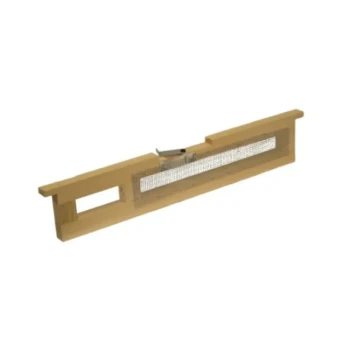
Bee Housing technology operates as a comprehensive defense system, simultaneously securing colonies against physical threats and stabilizing their living conditions. It functions as an integrated protective structure that shields hives from theft and predators while maintaining a specific microclimate to ensure colony health and development.
By combining physical hardening with environmental buffering, Bee Housing solves the two primary causes of colony loss: external predation and climate instability.
Physical Security and Predator Defense
Mitigating the Risk of Theft
Bee Housing goes beyond simple hive placement by providing integrated physical shielding.
This structural approach makes it significantly more difficult for unauthorized individuals to access or remove the colonies.
Guarding Against Aggressive Predators
Predators, specifically honey badgers, pose a severe threat to traditional apiaries.
The housing creates a robust barrier that prevents these predators from breaching the hive and destroying the colony.
Environmental Regulation and Colony Health
Optimizing Colonization Rates
Beyond protection, the technology creates a controlled microclimate within the structure.
This stable internal environment encourages bees to settle and establishes conditions that optimize colonization rates.
Buffering Against Weather Extremes
Bees are highly sensitive to rapid environmental changes.
Bee Housing provides a critical buffer against harsh conditions such as drought or extreme cold.
Ensuring Developmental Stability
By smoothing out environmental fluctuations, the structure ensures a stable environment.
This consistency allows the bees to focus energy on development rather than survival stress.
Understanding the Operational Context
The Shift to Stationary Infrastructure
Unlike portable individual hives, Bee Housing implies a move toward integrated structures.
This likely reduces mobility but significantly increases the permanence and security of the apiary location.
Dependence on Structural Integrity
The benefits of microclimate control are tied directly to the quality of the housing structure.
If the physical shielding is compromised, both the security against predators and the environmental buffering capabilities will fail.
Making the Right Choice for Your Goals
To determine if Bee Housing is the correct intervention for your apiary, consider your primary challenges:
- If your primary focus is Security: Implement this technology in areas prone to honey badger attacks or where hive theft is a documented risk.
- If your primary focus is Colony Growth: Use this solution in regions with volatile weather patterns (droughts or freezes) to stabilize colonization rates.
Bee Housing transforms the apiary from a collection of vulnerable boxes into a secure, climate-controlled ecosystem.
Summary Table:
| Feature | Benefit | Impact on Colony |
|---|---|---|
| Integrated Shielding | Prevents theft and predator access | Higher survival rates and security |
| Microclimate Control | Stabilizes internal temperature | Faster colonization and development |
| Weather Buffering | Protects from drought and extreme cold | Reduced environmental stress |
| Structural Barrier | Defense against honey badgers | Eliminates hive destruction risks |
Maximize Your Apiary Productivity with HONESTBEE
Are you a commercial apiary or distributor looking to safeguard your investment? At HONESTBEE, we specialize in empowering large-scale operations with the professional tools needed to thrive. From high-security bee housing solutions and automated honey-filling machines to a complete range of beekeeping hardware and consumables, we provide everything you need to scale efficiently.
Our value to you:
- Comprehensive Wholesale Catalog: One-stop sourcing for all machinery and tools.
- Operational Security: Advanced equipment designed to protect your colonies from environmental and physical threats.
- Specialized Expertise: Tailored support for commercial beekeepers and global distributors.
Ready to elevate your beekeeping business? Contact HONESTBEE today to explore our wholesale offerings and secure your apiary's future!
References
- Philip Siminyu, Mary Gikungu. Beekeepers’ perception of the suitability of climate-smart compliant bee-hive technologies in honey production: The case of Nyandarua and Kajiado counties. DOI: 10.4314/jagst.v23i5.6
This article is also based on technical information from HonestBee Knowledge Base .
Related Products
- Professional Insulated Plastic Bee Hives
- Wholesales Dadant Size Wooden Bee Hives for Beekeeping
- High-Performance Langstroth Bee Hives for Global Professional Beekeeping
- Styrofoam Mini Mating Nuc Box with Frames Feeder Styrofoam Bee Hives 3 Frame Nuc Box
- HONESTBEE Wired and Assembled Wooden Bee Frames Foundation for a Thriving Hive
People Also Ask
- What are the advantages of plastic bee hives? Boost Efficiency & Durability for Your Apiary
- Are plastic bee hives any good? Unlock Durability & Efficiency for Your Apiary
- How do plastic bee hives compare to wooden hives in handling? Reduce Strain & Boost Efficiency
- Are plastic bee hives good? Durable, Low-Maintenance Hives for Modern Apiaries
- What are the disadvantages of plastic beehives? Key Operational and Environmental Risks Exposed