Effective ventilation equipment is the decisive factor in honey bee overwintering success because it precisely regulates the balance between internal temperature and ambient humidity. By optimizing airflow paths, these systems prevent moisture condensation, which is the primary cause of colony loss due to fungal infections and rapid heat dissipation.
Core Takeaway: Efficient ventilation ensures colony survival by removing excess moisture before it can condense and freeze, thereby preserving the bees' metabolic energy and maintaining a stable, life-supporting microclimate.
The Critical Role of Moisture Regulation
Preventing the "Drip" Effect
Honey bee clusters generate significant warmth and moisture through metabolic activity during the winter months.
Without efficient ventilation, this warm, moist air rises and condenses on cold inner covers, eventually dripping back onto the cluster as ice-cold water.
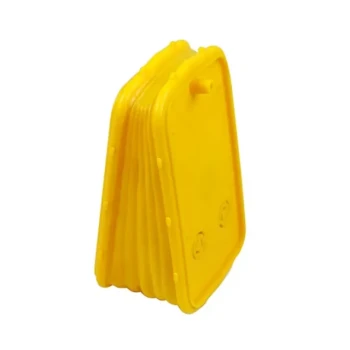
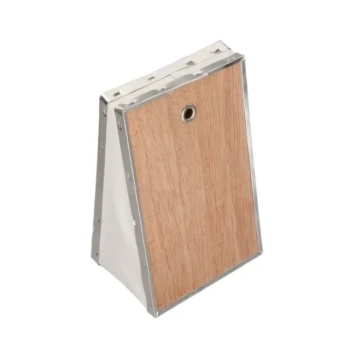
For a honey bee, the combination of moisture and cold is almost always fatal, making high-quality moisture boxes or ventilated covers essential inventory for professional beekeepers.
Mitigating Fungal and Pathogen Growth
Damp environments within the hive serve as breeding grounds for harmful fungi and pathogens that compromise colony health.
Professional-grade ventilation equipment ensures a constant exchange of air, maintaining a dry environment that inhibits the growth of mold.
By offering equipment that prevents these biological stressors, distributors provide a solution that directly impacts a beekeeper’s bottom line and colony retention rates.
Optimizing Thermal Performance and Energy Conservation
Reducing Metabolic Energy Expenditure
Honey bees survive the winter by consuming honey to generate heat; however, excessive dampness forces them to work harder to maintain core temperatures.
Efficient ventilation works in tandem with thermal hive design to create a stable microclimate, significantly reducing the amount of energy the colony must expend.
Supplying hives with superior structural design and airflow control allows bees to emerge in the spring with higher populations and greater vitality.
Precision Indoor Overwintering
For commercial operations using overwintering rooms, ventilation systems must maintain a strict environment of 4-5°C and 50-60% relative humidity.
These specialized systems protect high-value colonies from external temperature fluctuations and humidity-induced stress.
Wholesalers who provide these integrated environmental control systems position themselves as expert partners in high-stakes commercial beekeeping.
Understanding the Trade-offs: Ventilation vs. Insulation
The Risk of Over-Ventilation
While removing moisture is vital, excessive airflow can lead to "chimney effects" where heat escapes the hive too rapidly.
A hive that is too drafty forces the bees to consume their winter food stores prematurely, leading to starvation before the first spring nectar flow.
The key to a premium product line is offering equipment that provides controlled, adjustable ventilation rather than simple, passive holes.
Finding the "Sweet Spot" in Design
The most effective equipment balances insulation with moisture wicking, often utilizing specialized materials in moisture quilts or tilted hive bottoms.
Distributors must understand that beekeepers require different solutions based on their local climate—ranging from screened bottom boards in mild areas to insulated moisture boxes in the north.
Providing a full-spectrum product portfolio ensures that your clients can select the specific balance of airflow and heat retention required for their unique regional challenges.
How to Apply This to Your Product Portfolio
Strategic Recommendations for Growth
Our deep industry expertise suggests that your sourcing strategy should prioritize equipment that simplifies the beekeeper's winter management.
- If your primary focus is high-volume commercial beekeepers: Prioritize sourcing standardized, durable moisture boxes and screened bottom boards that allow for rapid hive inspections and ultra-fast deployment.
- If your primary focus is premium retail or specialty hobbyists: Invest in advanced, insulated hive systems with integrated adjustable airflow controls that offer a "set it and forget it" solution for winter.
- If your primary focus is supporting experimental or high-value breeding: Offer precision environmental control systems that guarantee stable temperature and humidity for indoor wintering facilities.
By providing high-efficiency ventilation solutions, you empower beekeepers to transform winter from a season of loss into a season of secure preparation.
Summary Table:
| Key Feature | Primary Benefit | Impact on Colony Survival |
|---|---|---|
| Moisture Regulation | Prevents ice-cold condensation drips | Reduces mortality caused by cold and dampness |
| Fungal Inhibition | Maintains a dry internal environment | Lowers risk of pathogens and fungal infections |
| Thermal Balance | Conserves bee metabolic energy | Preserves winter food stores for spring growth |
| Airflow Control | Prevents the "chimney effect" | Ensures stable internal hive microclimates |
| Precision Monitoring | Strict 4-5°C & 50-60% humidity | Critical for commercial indoor overwintering success |
Scale Your Success with HONESTBEE’s Wholesale Solutions
Are you looking to enhance your product portfolio with high-demand overwintering equipment? HONESTBEE is the premier one-stop sourcing partner for distributors and commercial apiaries worldwide. We provide a full-spectrum range of beekeeping tools, from precision ventilation systems and hive-making machinery to essential industry consumables and honey-themed cultural merchandise.
Why partner with us?
- Deep Industry Expertise: Products designed for maximum hive vitality and winter survival.
- Rapid Fulfillment: Ultra-fast delivery and efficient order processing to meet peak demand.
- Dedicated Service: Exceptional B2B support to help you maximize profit margins and reliability.
Contact us today to receive our comprehensive wholesale catalog and expert sourcing consultation!
References
- Dennis vanEngelsdorp, Jeffery S. Pettis. A survey of honey bee colony losses in the United States, fall 2008 to spring 2009. DOI: 10.3896/ibra.1.49.1.03
This article is also based on technical information from HonestBee Knowledge Base .
Related Products
- Stainless Steel Round Beehive Air Vents for Ventilation
- Steel Round Disc Entrance Reducer for Flexzion Bee Hive Nuc Box Gate
- Australian Pine Wood Langstroth Screen Bottom Board for Wholesale
- Langstroth Screen Bottom Board for Beekeeping Wholesale
- Three-Layer Ventilated Beekeeper Suit with Structured Fencing Veil
People Also Ask
- How does ventilation affect colony health, and how should it be managed seasonally? A Guide to Preventing Moisture & Overheating
- Why is proper ventilation important in a beehive? Prevent Mold, Regulate Temperature, and Boost Colony Health
- How can a beekeeper provide proper ventilation for a beehive throughout the year? Seasonal Strategies for Bee Health
- How can ventilation be added to a beehive without using an inner cover? Simple, Effective Solutions for Healthy Hives
- Why is good ventilation crucial when transporting beehives? Protect Your Colony from Lethal Overheating