Establishing a pesticide residue monitoring system functions as a critical safety firewall for the entire apicultural supply chain. Because beeswax is lipophilic (fat-loving), it naturally absorbs and retains agricultural and apicultural chemicals, turning unmonitored foundation into a recurring source of contamination. By implementing professional screening of raw wax materials, producers can identify and reject high-residue inputs, thereby preventing toxic exposure to colonies and ensuring the chemical purity of downstream products like honey and royal jelly.
The physical structure of a hive can effectively become a "chemical sponge," trapping pollutants that circulate indefinitely. A residue monitoring system intervenes at the very beginning of the production cycle to break this chain of contamination.
The Science of Wax Contamination
The Lipophilic Nature of Beeswax
The fundamental challenge in wax production is chemical. Beeswax is highly lipophilic, meaning it readily bonds with and absorbs fats and oils. Unfortunately, many agricultural pesticides and varroa mite treatments share these chemical properties.
The Reservoir Effect
Once chemicals are absorbed into the foundation, the wax acts as a long-term reservoir for pollutants. It does not merely hold these chemicals; it allows them to circulate within the hive environment.
Impact on Colony Health
If foundation is made from raw materials containing residues, it creates a persistent health risk. These residues can directly affect larval development through contact or create synergistic toxic effects when combined with new agricultural chemicals introduced by foraging bees.
How Monitoring Systems Enhance Safety
Screening at the Source
The most effective safety measure is preemptive exclusion. By using professional equipment to monitor pesticide levels before production begins, manufacturers can screen raw wax inputs.
Ensuring Low-Residue Foundation
This screening process allows producers to strictly select high-quality, low-residue raw wax. This ensures that the foundation—the template for the colony's home—starts clean, rather than introducing a baseline load of toxins.
Protecting End-Products
The safety of the foundation directly correlates to the safety of harvestable goods. By reducing chemical exposure risks at the structural source, the system protects the purity of consumables like honey, royal jelly, and comb honey from cross-contamination.
Common Pitfalls and Distinctions
Filtration vs. Chemical Monitoring
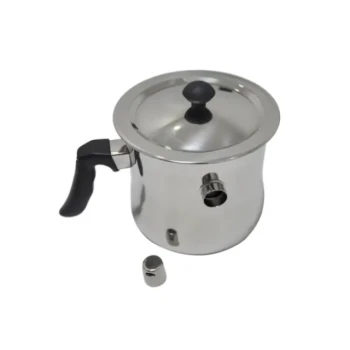
It is critical not to confuse physical filtration with chemical safety. While efficient processing equipment and constant-temperature melting kettles effectively remove physical impurities (debris), they do not necessarily remove dissolved chemical residues.
The Risk of Recycled Wax
Without a monitoring system, recycling wax can inadvertently concentrate toxins. As wax is harvested, melted, and re-used for new foundation, stable lipophilic chemicals can accumulate to higher levels over time if not verified by a monitoring protocol.
Making the Right Choice for Your Project
For producers and apiary managers, the choice of foundation heavily influences long-term outcomes.
- If your primary focus is Consumer Safety: Prioritize foundation from sources that certify residue monitoring, as this is the only way to guarantee the purity of honey and royal jelly for the high-end market.
- If your primary focus is Colony Sustainability: Select low-residue foundation to prevent the "reservoir effect," which protects larval development and reduces the overall chemical stress on the hive.
The quality of your foundation defines the chemical baseline of your entire operation; monitoring is the only tool that ensures this baseline is safe.
Summary Table:
| Key Feature | Impact on Hive Safety | Long-term Benefit |
|---|---|---|
| Source Screening | Identifies and rejects high-residue raw wax | Prevents baseline toxin introduction |
| Lipophilic Management | Breaks the "chemical sponge" effect of wax | Reduces cumulative colony toxicity |
| Chemical Purity | Protects downstream consumables from cross-contamination | Ensures high-end market certification |
| Sustainable Foundation | Safeguards larval development and queen health | Enhances overall colony productivity |
Secure Your Apiary’s Success with Certified Safety
At HONESTBEE, we understand that high-quality beeswax foundation is the bedrock of a healthy colony. As a dedicated partner to commercial apiaries and global distributors, we provide a comprehensive wholesale range of beekeeping tools, hive-making machinery, and honey-filling equipment.
Our commitment to excellence extends to our essential industry consumables, ensuring that your operations meet the highest standards of chemical purity and product safety. Let us help you provide superior value to your customers with equipment and supplies designed for professional success.
Contact HONESTBEE Today for Custom Wholesale Solutions
References
- Monia Perugini, Michele Amorena. Occurrence of agrochemical residues in beeswax samples collected in Italy during 2013–2015. DOI: 10.1016/j.scitotenv.2017.12.321
This article is also based on technical information from HonestBee Knowledge Base .
Related Products
- Notebook Style Beeswax Foundation Mould Wax Foundation Mold
- Beeswax Foundation Sheets Beehive Foundation for Wholesale
- Beeswax Machine Press Embosser Wax Foundation Mold Printer Bee Hive Equipment Making Sheet
- Colorful Silicone Beeswax Foundation Mold Mould for Beekeeping
- Fully Automatic Beeswax Embossing Machine Foundation Mill
People Also Ask
- How do beeswax foundation molds facilitate the construction of standardized honeycombs? Optimize Your Apiary Efficiency
- Why are specific wax foundation molds used to downsize brood cells? Master Mechanical Pest Inhibition
- How do you use the Foundation Mold to create beeswax foundation? Master DIY Beekeeping with Precision
- How can beeswax value-addition processes be utilized to increase beekeeping revenue? Boost Your Apiary Profitability
- Why is high-purity natural beeswax essential for foundations? Prevent Larval Mortality & Boost Colony Health