There is a strong and reliable correlation between the color of honey and the intensity of its flavor profile. As a general rule, the lighter the honey, the milder the taste, whereas darker honey typically delivers a much stronger, more robust experience.
The Core Insight While not an absolute law, color serves as the primary commercial indicator for flavor intensity. Purchasers can confidently assume that pale honey will be delicate and sweet, while dark honey will provide a bold, earthy, and complex flavor profile.
The Spectrum of Flavor Intensity
Light Honey: Delicate and Mild
Light-colored honey is characterized by a subtle, understated sweetness. Common varieties, such as clover honey, exemplify this category.
These varieties are often preferred when the goal is to add sweetness without overpowering other ingredients. The flavor profile is typically described as "delicate" and clean.
Dark Honey: Bold and Earthy
On the opposite end of the spectrum, dark-colored honey offers a significantly more intense experience. Varieties like buckwheat honey fall into this category.
These honeys possess robust, earthy flavor profiles that linger on the palate. They are often used when a distinct honey flavor is desired as a central component of a dish.
Exceptions to the Rule
The Nectar Influence
While the color-flavor correlation is generally accurate, it is determined by the specific nectar source. Consequently, exceptions exist where the visual cue may be misleading.
Specific nectar types can produce dark-colored honey that remains surprisingly mild in taste. Therefore, color should be viewed as a primary indicator, not a guarantee.
Commercial Classification
Because the correlation is so consistent, commercial producers use color categories to help consumers anticipate taste.
Labels reflecting color grades are designed to manage consumer expectations regarding the likely characteristics of the product before purchase.
Understanding the Trade-offs
Color as a Quality Indicator vs. Varietal Characteristic
It is critical to distinguish between a honey that is naturally dark due to its floral source and honey that is dark due to the condition of the comb.
According to grading standards, light-colored honey from sealed combs is often classified as high-grade. Conversely, darker coloration in the comb itself can indicate "second-grade" status.
The Risk of Fermentation
Darker combs often contain unsealed honey or higher concentrations of pollen cells.
This "second-grade" honey is more susceptible to fermentation and degradation. Unlike high-grade sealed honey, it has a shorter shelf life and is best suited for quick consumption rather than long-term storage.
Making the Right Choice for Your Goal
To select the right honey, you must match the color intensity to your culinary or dietary objective.
- If your primary focus is subtle sweetening: Choose a light-colored variety like clover to avoid altering the flavor profile of your tea or baking.
- If your primary focus is rich flavor depth: Opt for a dark-colored variety like buckwheat to achieve a bold, earthy taste that stands out.
- If your primary focus is long-term storage: Prioritize high-grade, light-colored honey from sealed combs to minimize the risk of fermentation.
Ultimately, use color as your initial guide for intensity, but check the specific varietal to confirm the nuances of the flavor.
Summary Table:
| Honey Color Category | Flavor Intensity | Common Taste Notes | Best Use Cases |
|---|---|---|---|
| Light (e.g., Clover) | Mild & Delicate | Clean, subtle sweetness | Sweetening tea, light baking |
| Medium | Moderate | Floral, balanced | Everyday spreads, dressings |
| Dark (e.g., Buckwheat) | Bold & Robust | Earthy, complex, malty | Cooking, bold sauces, marinades |
| Comb Grade (Light) | Premium | Pure, stable | Long-term storage, table honey |
| Comb Grade (Dark) | Secondary | High pollen, variable | Quick consumption, fermentation risks |
Elevate Your Beekeeping Business with HONESTBEE
Understanding the nuances of honey quality is just the beginning. At HONESTBEE, we empower commercial apiaries and distributors with the professional tools needed to produce and package premium honey. Whether you are scaling production with our high-efficiency honey-filling machines or sourcing specialized beekeeping hardware and machinery, we provide the comprehensive wholesale solutions your business deserves.
From industrial-grade equipment to essential consumables and unique honey-themed cultural merchandise, HONESTBEE is your partner in global beekeeping excellence.
Ready to optimize your apiary’s output? Contact us today to explore our wholesale catalog!
Related Products
- High Quality Honey Dehumidifier Dryer Thickening Machine for Beekeeping
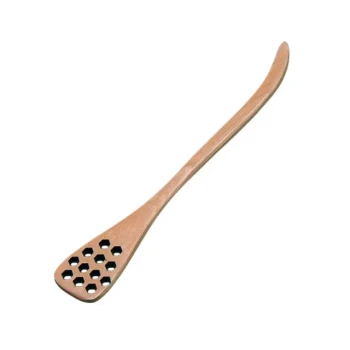
- Modern Honeycomb Pattern Wooden Honey Dipper for Stirring and Drizzling
- Economy Small Scale Honey Dryer Dehumidifier Thickening Machine
- Classic Honey Bear Jars with Flip Top Dispensing Cap for Liquid Sweeteners
- Inverted Squeezable Honey Jar with No Drip Flip Top Cap for Easy Pouring
People Also Ask
- Can you dehumidify honey? A Beekeeper's Guide to Preventing Fermentation
- How to dry up honey? The Safe Guide to Stabilizing Honey and Preventing Fermentation
- How can the moisture content of honey be reduced? A Guide to Safe, Effective Drying Methods
- How to remove humidity from honey? Protect Your Harvest from Fermentation
- How to decrease moisture in honey? Prevent Fermentation and Ensure Long-Term Quality