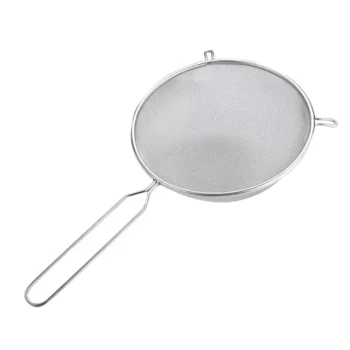
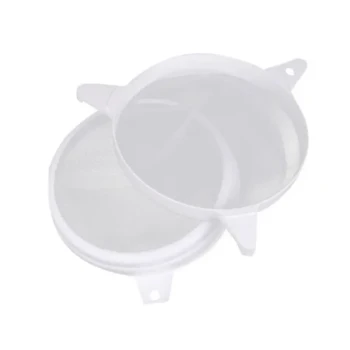
Industrial-grade fine-pore filtration guarantees physical purity by mechanically separating organic debris from the liquid honey during extraction and processing. Utilizing multi-layered precision meshes and screens, this equipment physically intercepts specific mechanical impurities—primarily beeswax particles, bee remains, and forest debris—to produce a transparent, contaminant-free product.
By effectively eliminating solid contaminants without altering chemical composition, fine-pore filtration ensures honey meets rigorous international food safety standards while maintaining the visual clarity and stability required for high-grade retail markets.
The Mechanics of Purification
Physical Interception of Debris
The core mechanism of this equipment is the use of fine screens or multi-layered meshes. These physical barriers are designed to trap solid particulate matter that naturally accumulates during harvesting.
Targeting Specific Impurities
The primary function is the removal of mechanical impurities. According to industry standards, this specifically includes beeswax fragments, bee parts, larval residues, and organic forest contaminants.
Integration into Processing Lines
Filtration units are typically positioned at critical junctures, such as the centrifuge outlet or above storage tanks. This ensures impurities are removed immediately after extraction, preventing them from affecting the honey during settling or packaging.
Impact on Quality and Stability
Ensuring Visual Transparency
Raw honey often contains suspended solids that create cloudiness. Fine-pore filtration removes these particles, resulting in a transparent, pure appearance that consumers associate with high quality.
Preventing Phase Separation
Impurities can act as nucleation sites for sugar crystals. By removing these solids, the equipment helps prevent uneven crystallization, sediment formation, and phase separation (layering) in the jar.
Compliance with Safety Standards
Physical purity is not just aesthetic; it is a hygiene requirement. Proper filtration ensures the product complies with modern food processing safety regulations, making it suitable for international export trade.
Operational Considerations and Trade-offs
The Role of Controlled Heat
To facilitate the passage of viscous honey through fine pores, operators often apply gentle heat. While this improves flow rate, it must be strictly controlled to avoid damaging the honey's heat-sensitive nutrients.
Using Pressure to Assist Flow
Some systems utilize pressure screening technologies or centrifugation to force honey through the mesh. This increases efficiency but requires precise calibration to ensure the natural bioactive components are preserved.
Balancing Clarity and Nutrition
The goal of industrial filtration is to remove foreign debris, not essential nutrients. High-quality machinery achieves clarity while ensuring biochemical markers (like proline) and natural flavors remain intact.
Making the Right Choice for Your Goal
When selecting filtration protocols, consider your end-market requirements:
- If your primary focus is Mass Retail and Export: Prioritize multi-layered filtration systems that ensure maximum transparency and prevent sediment, as these are critical for meeting international hygiene and labeling standards.
- If your primary focus is Artisanal or Raw Honey: Focus on equipment that minimizes heat and pressure, ensuring the removal of gross impurities (wax and bee parts) while strictly preserving the honey's natural enzymes and flavor profile.
Effective filtration serves as the bridge between a raw agricultural harvest and a safe, professional, and commercially viable food product.
Summary Table:
| Feature | Function in Filtration | Impact on Honey Quality |
|---|---|---|
| Precision Mesh | Mechanically intercepts solid debris | Ensures high visual clarity and transparency |
| Multi-layer Screens | Traps beeswax, bee parts, and forest debris | Guarantees physical purity and hygiene |
| Pressure Systems | Accelerates flow through fine pores | Increases processing efficiency for viscous honey |
| Temperature Control | Reduces viscosity for easier filtration | Protects heat-sensitive enzymes and nutrients |
Scale Your Honey Production with HONESTBEE Professional Equipment
At HONESTBEE, we understand that physical purity is the hallmark of premium honey. As a dedicated partner to commercial apiaries and global distributors, we provide the high-performance tools you need to excel in the competitive honey market. Our comprehensive wholesale catalog includes everything from industrial-grade filtration systems and honey-filling machines to specialized hive-making equipment and consumables.
Whether you are refining your processing line for international export or supplying professional beekeepers with top-tier hardware, HONESTBEE delivers the reliability and technical expertise your business demands.
Ready to enhance your product quality and operational efficiency?
Contact Us Today to Explore Wholesale Solutions
References
- Miras Nurbayevich Suraganov. INFLUENCE OF HONEY BEE BREEDS ON HONEY QUALITY INDICATORS IN AKMOLA REGION. DOI: 10.52578/2305-9397-2025-2-3-168-175
This article is also based on technical information from HonestBee Knowledge Base .
Related Products
- Electric Double Wall Honey Filtering Machine Purifier Equipment for Honey Processing Plant
- Conical Nylon Honey Strainer Filter Bag for Beekeeping and Honey Filtration
- Professional Stainless Steel Honey Filtering Machine with Water Bath Heating for Beekeeping
- Stainless Steel Triangle Support Honey Strainer and Filters
- 0.5T Capacity Honey Dehumidifier Dryer with Vacuum Heating and Thickening Filtering Machine
People Also Ask
- What is the process of filtering honey? A Guide to Clean, Pure, and Market-Ready Honey
- What types of equipment are used in honey filtering? Build an Efficient System for Pure, Marketable Honey
- What is the overall importance of using the right equipment in honey filtering? Boost Quality & Marketability
- What steps are involved in maintaining honey filtering equipment? A Guide to Protecting Your Honey Quality
- What role do professional honey harvesting and filtering equipment play in meeting honey market quality standards? Boost ROI